Does Water Filter Remove Fluoride
You might assume your water filter removes fluoride, but that’s not always the case. Many common filters target chlorine or sediment, leaving fluoride levels unchanged. If you’re concerned about fluoride, it’s important to know which filters are effective.
To truly reduce fluoride, you need specific technologies like reverse osmosis or activated alumina. Understanding how these systems work and their limitations is crucial if you want safer drinking water.
Let’s explore what you should consider before trusting your filter to handle fluoride effectively.
Key Takeaways
- Most standard activated carbon filters do not effectively remove fluoride from water.
- Reverse osmosis (RO) systems use membranes that can significantly reduce fluoride levels.
- Activated alumina filters can remove fluoride but require proper maintenance and regeneration.
- Distillation removes fluoride but is generally impractical for regular household use.
- Regular filter replacement and water testing ensure continued fluoride removal efficiency.
What Is Fluoride and Why Is It Added to Water
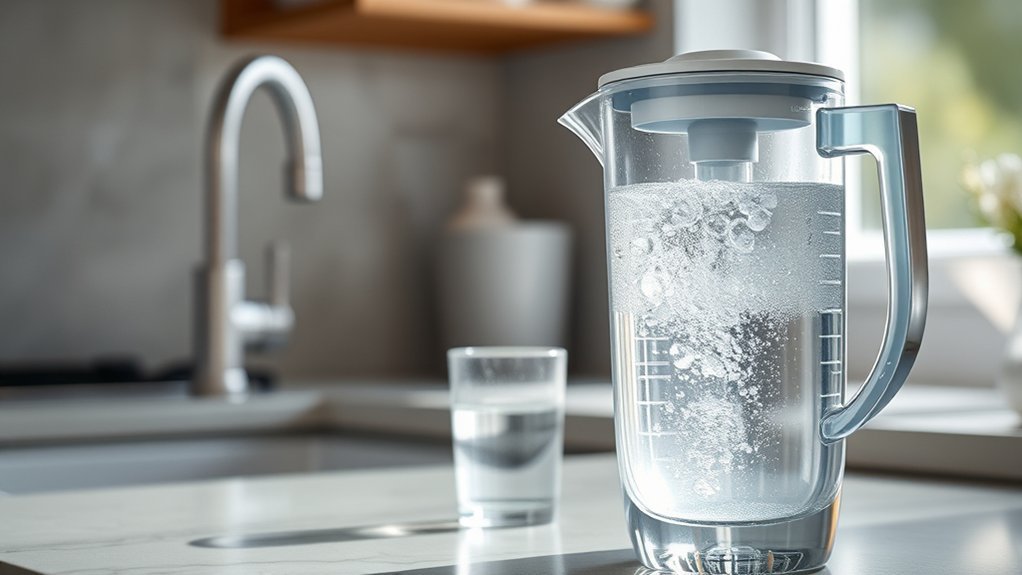
What exactly is fluoride, and why do many water systems add it? Fluoride is a naturally occurring mineral found in water, soil, and various foods. Water fluoridation involves adjusting fluoride levels in public water supplies to about 0.7 milligrams per liter, a concentration shown to reduce tooth decay effectively.
Numerous studies support fluoride health benefits, particularly its role in strengthening tooth enamel and preventing cavities. The Centers for Disease Control and Prevention (CDC) recognizes water fluoridation as a safe and cost-effective public health measure.
Can Common Water Filters Remove Fluoride?
You might assume most water filters remove fluoride, but their effectiveness varies widely. Common filters like activated carbon often fail to reduce fluoride substantially, while reverse osmosis and activated alumina show higher removal rates.
Understanding these differences helps you choose the right filter for fluoride reduction.
Types Of Filters
Many common water filters, such as activated carbon filters and basic pitcher filters, don’t effectively remove fluoride from water. This limitation arises because fluoride exists as a small, negatively charged ion, which typical adsorption mechanisms in these filters can’t capture efficiently.
Understanding fluoride chemistry helps explain why more specialized filtration methods, like reverse osmosis or activated alumina filters, are necessary for significant fluoride reduction. When selecting a filter, you should also consider filter maintenance; improper or infrequent replacement can reduce effectiveness and allow fluoride to pass through.
While activated carbon excels at removing chlorine and organic compounds, it lacks the affinity for fluoride ions. Consequently, if fluoride removal is your goal, you need to focus on filters designed explicitly for that purpose, paying close attention to their operational and maintenance requirements.
Fluoride Removal Efficiency
How effectively do common water filters remove fluoride? Most standard filters, like activated carbon or basic pitcher filters, don’t markedly reduce fluoride levels. If you want effective fluoride removal, consider specialized systems. Here’s what you need to know:
- Reverse osmosis (RO) units remove up to 90-95% of fluoride by forcing water through a semipermeable membrane.
- Activated alumina filters can reduce fluoride by about 80%, but their efficiency depends on contact time and pH.
- Distillation systems also remove fluoride but aren’t practical for daily household use.
Avoid confusing this topic with unrelated topics or off topic discussions about general water purity. Fluoride removal requires specific technology; common filters alone won’t suffice. Understanding this distinction helps you choose the right system for safe drinking water.
How Different Filters Remove Fluoride
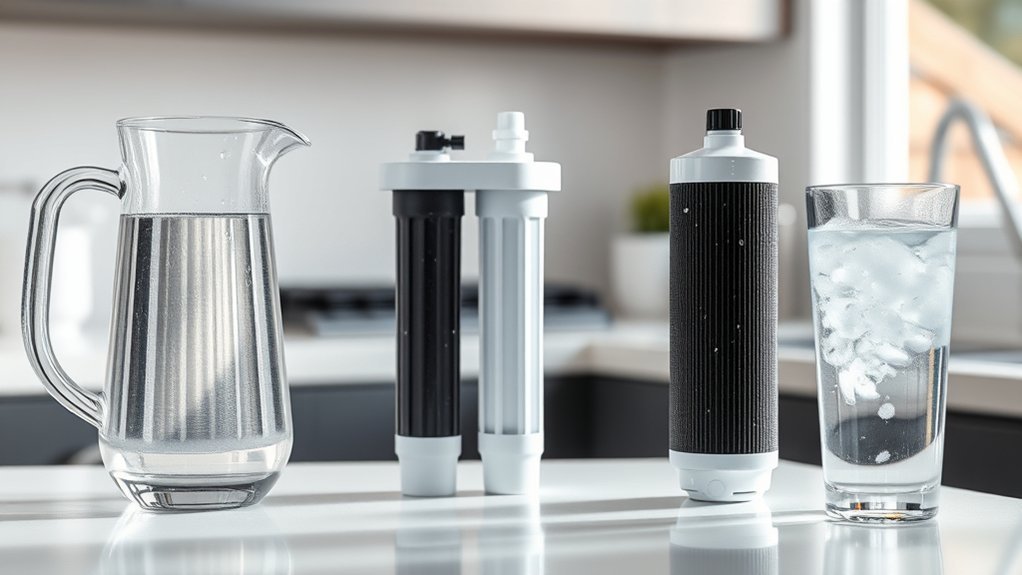
You’ll find that activated alumina filters adsorb fluoride effectively through a chemical bonding process.
Reverse osmosis systems use a semipermeable membrane to physically block fluoride ions from passing through.
Distillation removes fluoride by boiling water and condensing the steam, leaving most contaminants, including fluoride, behind.
Activated Alumina Effectiveness
What makes activated alumina a popular choice for fluoride removal is its high adsorption capacity and selectivity. When you use an activated alumina filter, you benefit from a material specifically designed to attract fluoride ions, enhancing removal efficiency.
Studies show activated alumina can reduce fluoride concentrations by up to 90% under optimal conditions. To maximize its performance, consider:
- Contact time: Longer exposure increases fluoride adsorption.
- pH levels: Activated alumina works best between pH 5.5 and 6.5.
- Filter maintenance: Regular regeneration or replacement prevents saturation and maintains removal efficiency.
Reverse Osmosis Process
While activated alumina relies on adsorption to capture fluoride ions, reverse osmosis (RO) employs a different mechanism, using a semipermeable membrane to physically separate contaminants from water. When you use an RO system, water is forced through this membrane, which blocks fluoride ions along with many other dissolved solids.
This process is highly effective, removing up to 90-95% of fluoride, a rate supported by numerous studies. Unlike activated carbon filters, which primarily target chlorine and organic compounds, activated carbon has limited impact on fluoride reduction.
However, many RO systems combine activated carbon pre-filters to improve taste and eliminate other impurities before water reaches the membrane. This layered approach ensures you get cleaner, fluoride-reduced water, leveraging the strengths of both reverse osmosis and activated carbon filtration.
Distillation Fluoride Removal
How effectively does distillation remove fluoride from water? Distillation is highly effective because it vaporizes water, leaving fluoride and other contaminants behind. When water condenses, it’s nearly free of dissolved solids, including fluoride. However, the process requires energy, so flare conservation strategies can improve efficiency. Distillation also leads to taste improvement by removing minerals that cause off-flavors.
Here’s what you need to know about distillation fluoride removal:
- Distillation removes up to 99% of fluoride, making it one of the most reliable methods.
- Energy use is significant, but flare conservation can reduce environmental impact.
- The resulting water tastes cleaner due to mineral removal, but may lack beneficial elements.
Distillation balances purification effectiveness with energy considerations and taste outcomes.
Choosing the Right Fluoride Filter: Key Factors

Since fluoride removal requires specific technology, selecting the right filter depends on several critical factors, including filtration method, fluoride reduction capacity, and water flow rate. You need to understand that not all filters labeled “water filter” effectively reduce fluoride.
Activated carbon filters, for example, fall short despite common fluoride myths suggesting otherwise. Reverse osmosis and activated alumina are proven methods, but each has filtration limitations, such as slower flow rates or periodic media replacement.
Assess the fluoride concentration in your water and match it with a filter’s certified reduction capacity to ensure efficiency. Also, consider your household’s water usage to avoid selecting a filter that impedes flow, which can cause inconvenience.
Maintaining and Testing Fluoride Filters
Why does maintaining and testing your fluoride filter matter? Filter performance can degrade over time, reducing its effectiveness in removing fluoride. Regular upkeep ensures consistent water quality and prolongs filter lifespan, critical conversation topics when discussing water safety.
Here are three key steps to maintain and test your fluoride filter:
- Routine Cleaning: Prevent clogging by cleaning components as recommended by the manufacturer.
- Scheduled Replacement: Replace filter cartridges at intervals specified to maintain optimal fluoride removal.
- Water Testing: Periodically test your water’s fluoride levels using reliable kits or professional services to verify filter efficacy.
Frequently Asked Questions About Fluoride Water Filters
Maintaining and testing your fluoride filter ensures it performs reliably, but you might still have questions about its capabilities and limitations. For instance, not all water filters effectively remove fluoride; specialized filters like activated alumina or reverse osmosis systems are necessary.
Off grid filtration setups often require these advanced filters since standard taste focused filters primarily address chlorine and sediment, not fluoride. You might wonder if fluoride removal affects water taste. Generally, taste focused filters don’t alter fluoride levels, so they won’t improve this aspect.
Also, filter lifespan varies, so adhering to manufacturer testing schedules is essential to maintain efficacy. Understanding these distinctions helps you choose the right system and ensures your water is both safe and palatable.
Frequently Asked Questions
Does Fluoride in Water Affect Dental Health Negatively?
You might notice disagreement over fluoride’s impact on dental health; while it prevents cavities, excessive intake can harm teeth.
Ethical considerations arise when balancing public health benefits against potential risks, so you should evaluate fluoride levels carefully.
Can Bottled Water Contain Fluoride?
Oh sure, bottled fluoride is the latest trend in hydration ethics! You’ll find some bottled water contains fluoride, depending on the brand and source.
Are Fluoride Levels Regulated by the Government?
Yes, fluoride levels are regulated by the government. You should explore discussion ideas around fluoride ethics to understand how regulations balance public health benefits against ethical concerns about mass medication and individual choice.
How Does Fluoride Impact Children’s Health?
Fluoride exposure in children can impact growth by affecting bone development and dental health. You should monitor intake carefully, as excessive fluoride may cause dental fluorosis or skeletal issues, highlighting the need for balanced fluoride levels.
Can Plants Absorb Fluoride From Tap Water?
Though you’re no alchemist, you should know plants can absorb fluoride via plant uptake from tap water. Bottled fluoride levels often differ due to government regulation, so you must analyze water sources carefully for safe plant growth.
Conclusion
You might assume all filters remove fluoride, but that’s not the case. While activated carbon tackles chlorine and taste, it barely touches fluoride.
To truly reduce fluoride, you’ll need reverse osmosis or activated alumina systems—proven by research to work effectively. But beware: without proper maintenance and testing, even the best filters can fail.
So before you trust your water, ask yourself—are you confident your filter is really protecting you from fluoride? Understanding whether your water filter removes fluoride is essential for your health.