How to Prevent Freezer Burn
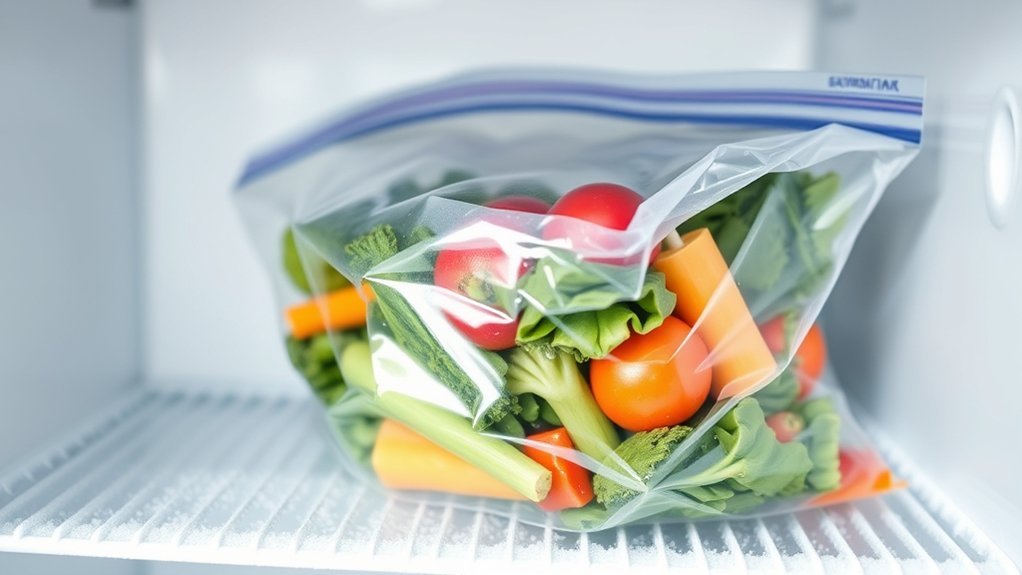
You need airtight packaging, controlled temperatures, and proper portioning to prevent freezer burn effectively. Prevent freezer burn by using these essential methods to protect your food’s quality. Without these measures, moisture loss and ice crystal formation degrade your food’s quality and safety.
Choosing the right materials and sealing methods can substantially reduce air exposure, but there’s more to maintaining optimal freezer conditions. Understanding these factors is crucial before you risk compromising your stored food’s texture and flavor.
Key Takeaways
- Use airtight, freezer-safe packaging like vacuum-sealed bags or heavy-duty polyethylene to minimize moisture loss and air exposure.
- Remove as much air as possible from packaging by vacuum sealing or manual pressing before freezing.
- Portion food into single-use sizes to reduce repeated exposure and refreezing, preserving quality.
- Maintain a consistent freezer temperature at or below 0°F (-18°C) to prevent moisture sublimation.
- Avoid frequent freezer door openings and ensure door seals are intact to maintain stable cold conditions.
Why Does Freezer Burn Happen?
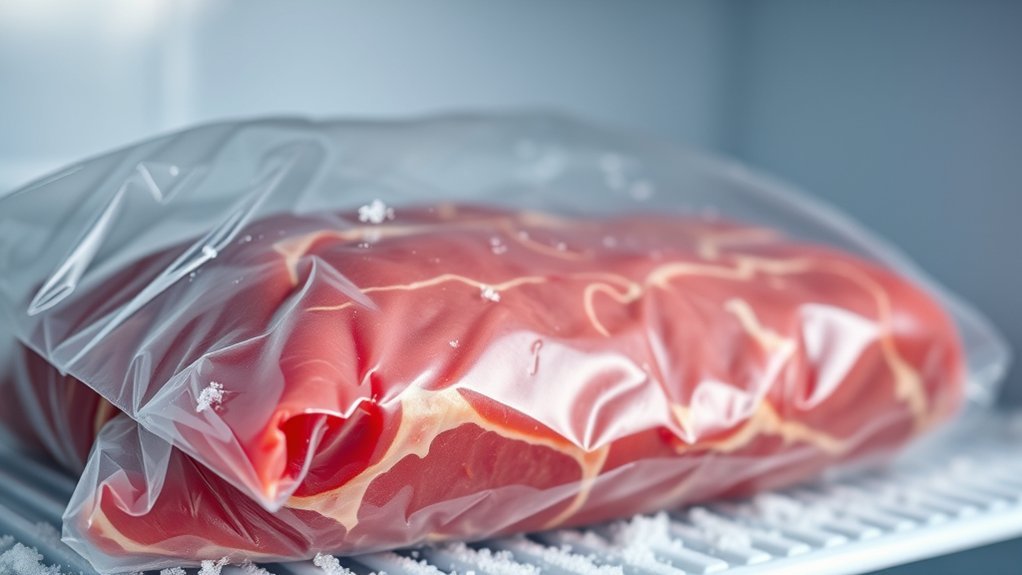
Why does freezer burn occur despite freezing being a preservation method? It happens because sublimation causes water molecules to migrate from the food’s surface to the freezer’s dry air. This moisture loss dehydrates the food, resulting in those dry, discolored patches known as freezer burn.
Poor freezer maintenance, such as inconsistent temperatures or worn door seals, accelerates this process by allowing humid air exchange. You can reduce freezer burn by using freezer safe materials that create airtight seals, preventing moisture escape.
Proper packaging minimizes direct exposure to air, limiting sublimation. Even with ideal freezing temperatures, neglecting freezer maintenance or using inadequate materials increases freezer burn risk.
Understanding these mechanisms helps you preserve food quality effectively and avoid the texture and flavor degradation caused by freezer burn.
How to Cool Food Quickly Before Freezing
How quickly you cool food before freezing directly impacts its safety and quality. Rapid cooling minimizes bacterial growth and preserves texture by reducing moisture loss.
To achieve this, use shallow containers to increase surface area and divide large portions to expedite temperature drop. Proper moisture control during cooling prevents ice crystal formation that causes freezer burn.
| Method | Benefit |
|---|---|
| Shallow Containers | Promotes rapid, even cooling |
| Portion Division | Reduces cooling time |
| Ice Bath | Accelerates temperature drop |
| Ventilated Cooling | Controls moisture, prevents condensation |
Follow these evidence-based practices to maintain food integrity before freezing, ensuring safety and minimizing freezer burn risk through effective rapid cooling and moisture control.
How to Choose Bags and Wraps to Prevent Freezer Burn
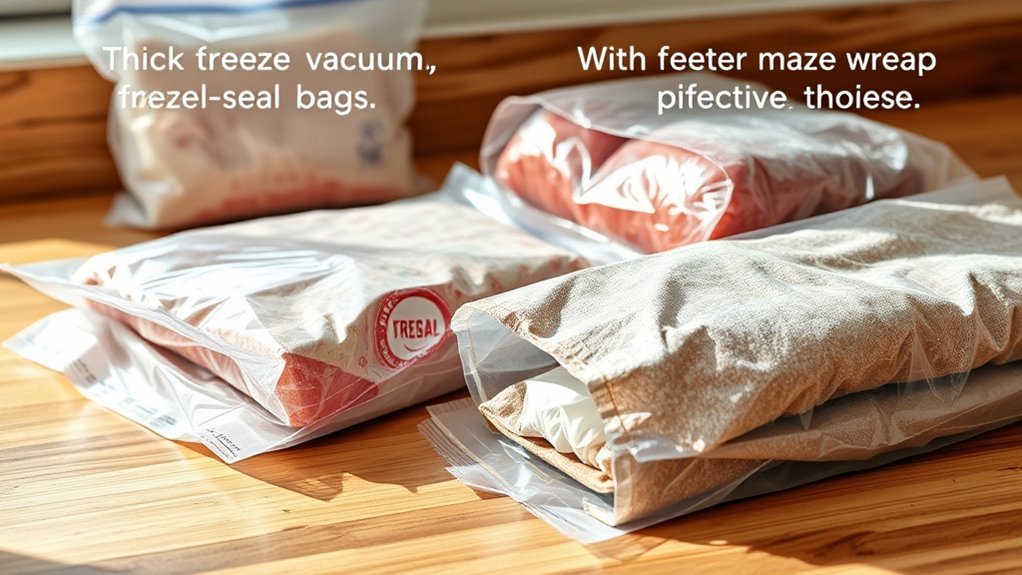
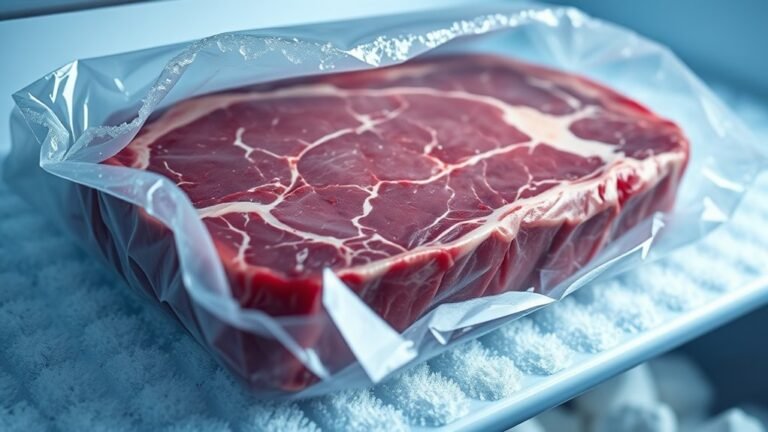
What materials best protect your food from freezer burn? You should select packaging materials designed for freezer safety, such as heavy-duty polyethylene bags and specialized freezer wraps. These materials provide a robust barrier against moisture loss and air exposure, the primary causes of freezer burn.
Look for bags that are labeled freezer-safe and have thick, multi-layer construction to minimize permeability. Avoid regular plastic wrap or thin bags, as they allow air infiltration, accelerating quality degradation. Vacuum-sealed bags also enhance freezer safety by removing air, but that’s discussed later.
Additionally, aluminum foil with a plastic coating can offer effective protection by combining moisture resistance and durability. Choosing appropriate packaging materials based on scientific evidence helps maintain your food’s texture, flavor, and nutritional value while preventing freezer burn.
How to Seal Frozen Food Properly
You need to select packaging materials with proven low permeability to moisture and oxygen to minimize freezer burn. After choosing the right wrap or bag, remove as much air as possible using vacuum sealing or manual pressing to reduce ice crystal formation.
Proper sealing creates a barrier that maintains food quality by limiting exposure to freezer conditions.
Choosing the Right Packaging
Why does packaging matter so much when freezing food? Proper packaging directly impacts food safety and prevents freezer burn by limiting moisture loss and contamination. Choosing the right packaging materials ensures that your frozen food maintains quality and nutritional value over time.
When selecting packaging, consider these factors:
- Use moisture-vapor-resistant materials like polyethylene or aluminum foil to create effective barriers.
- Opt for rigid containers or thick freezer bags that withstand low temperatures without cracking or tearing.
- Prioritize packaging with secure sealing features to maintain an anaerobic environment.
- Choose packaging labeled food-safe to avoid chemical leaching and contamination.
Removing Air Effectively
Since exposure to air accelerates moisture loss and oxidation, removing air effectively from packaging is essential to prevent freezer burn. You can optimize airflow by using vacuum sealers, which extract air and create an airtight environment.
This reduces oxygen exposure, substantially slowing dehydration and oxidation rates. When selecting packaging, consider bag material tradeoffs: thicker, multi-layer bags provide superior barrier properties but may be less flexible and costlier, while thinner bags offer convenience but allow more air permeability.
Use high-quality, low-permeability materials designed for freezing to maximize shelf life. Additionally, manually pressing out excess air before sealing can improve results when vacuum sealing isn’t available. Prioritize removing air completely to maintain frozen food quality, as airflow optimization directly correlates with moisture retention and oxidation prevention.
Portion Your Food to Prevent Freezer Burn
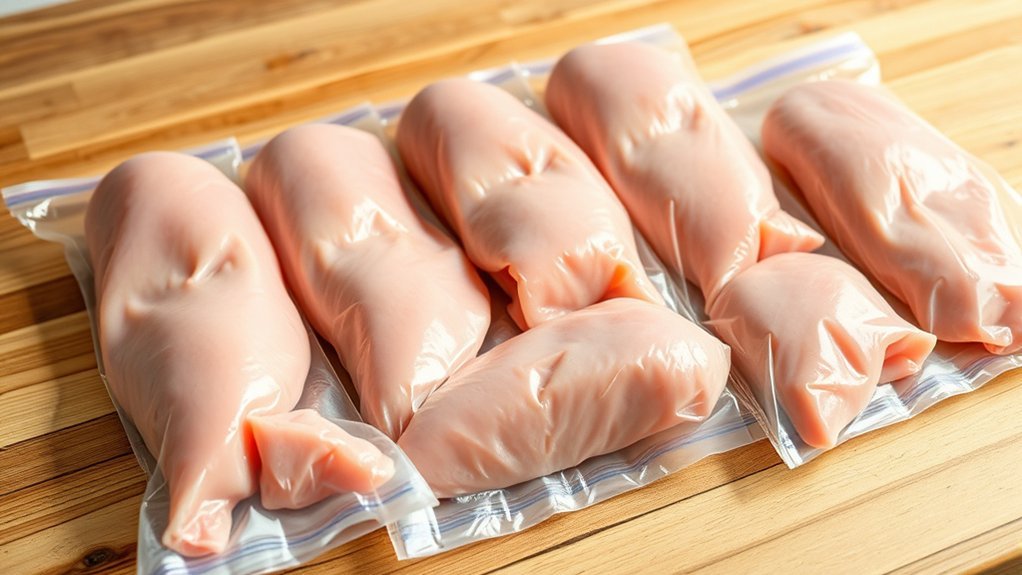
You should portion your food into appropriate serving sizes to minimize repeated exposure to air and moisture, which accelerates freezer burn. Use airtight packaging designed for freezing to maintain optimal barrier protection.
Clearly labeling each portion helps you manage inventory and reduces the need to reopen packages unnecessarily.
Choose Appropriate Serving Sizes
A critical step in preventing freezer burn involves choosing appropriate serving sizes before freezing. By portioning food correctly, you minimize repeated exposure to air and temperature fluctuations, which are primary causes of freezer burn. Consider these evidence-based guidelines:
Freeze in single-use portions to maintain freezer etiquette and avoid refreezing leftovers. Match portion sizes to your typical meal to reduce unnecessary thawing and refreezing cycles.
Use consistent serving sizes for efficient thawing methods, ensuring even temperature transition. Avoid overly large portions that take longer to thaw, increasing the risk of partial spoilage.
Use Airtight Packaging
How exactly does airtight packaging prevent freezer burn? Freezer burn occurs when moisture sublimates from food, causing dehydration and oxidation. Airtight containers limit exposure to air, thereby reducing moisture loss.
By using freezer safe, airtight containers, you create a barrier that minimizes oxygen contact, which is essential to prevent freezer burn. These containers typically have seals that prevent air infiltration and moisture escape, preserving food texture and flavor longer.
When portioning your food, choose appropriately sized airtight containers to minimize the air volume inside, further reducing the risk. Avoid using containers not labeled freezer safe, as they may crack or allow air exchange at low temperatures.
Employing airtight packaging is a scientifically supported method to maintain food quality during frozen storage.
Label Portions Clearly
Why does clearly labeling food portions matter in preventing freezer burn? When you label portions precisely, you minimize repeated exposure to air, which causes flavor loss and texture change. Proper labeling helps you handle only what you need, preserving the remaining food’s quality.
To label portions effectively, you should:
- Use moisture-resistant labels with clear, legible text.
- Include the date of freezing to monitor storage duration.
- Specify portion size to avoid unnecessary thawing.
- Mark the type of food to streamline use and prevent prolonged freezer exposure.
This approach reduces the frequency of opening packages, limiting dehydration and oxidation. Consequently, you maintain optimal texture and flavor, preventing the degradation typically caused by freezer burn. Labeling portions clearly is a practical, evidence-based method to extend frozen food’s shelf life.
How to Store Food to Keep It Fresh
Where you store your food directly impacts its freshness and shelf life. Freezing science shows that optimal storage slows enzymatic activity and microbial growth. Use airtight packaging materials like vacuum-sealed bags or heavy-duty aluminum foil to minimize moisture loss and avoid freezer burn.
| Food Type | Ideal Storage Method |
|---|---|
| Meat | Vacuum-sealed, flat packs |
| Vegetables | Blanched, sealed in bags |
| Baked Goods | Wrapped tightly in foil |
| Fruits | Individually quick frozen |
| Seafood | Vacuum-sealed, frozen quickly |
How to Organize Your Freezer for Better Airflow
Proper packaging helps reduce moisture loss, but organizing your freezer effectively ensures consistent airflow around stored items, which is key to maintaining their quality. To optimize airflow and boost freezer efficiency, arrange your items strategically.
Avoid overcrowding; leave space between packages to allow cold air to circulate freely. Use uniform-sized containers to stack efficiently without blocking vents. Store frequently used items near the front for quick access, reducing the time the door stays open.
Consider grouping similar foods together to maintain consistent temperatures and prevent unnecessary air exchange.
- Leave at least 1-2 inches of clearance around items
- Avoid blocking air vents inside the freezer
- Use wire baskets or bins for better air distribution
- Rotate older items to the front to minimize door opening time
This approach maximizes airflow optimization and reduces freezer burn risk.
What Freezer Temperature Prevents Freezer Burn?
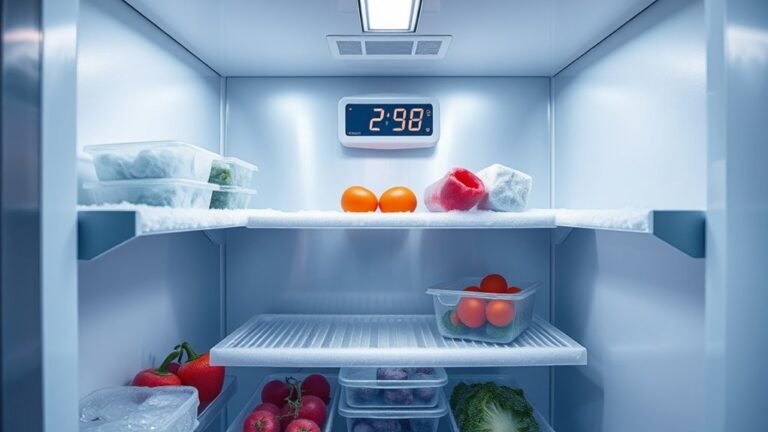
How cold should your freezer be to effectively prevent freezer burn? Maintaining a consistent temperature at or below 0°F (-18°C) is critical for optimal freezer management. At this temperature, ice crystals form slowly, reducing cellular damage that leads to freezer burn.
Fluctuations above 0°F accelerate moisture loss and degrade food quality. Investing in a reliable freezer thermometer helps you monitor and adjust settings precisely, which is a smart budgeting hack to avoid costly food waste.
Additionally, minimizing door openings maintains stable temperatures, further protecting your food. Proper temperature control, combined with airtight packaging, ensures your frozen goods retain texture and flavor longer, making your freezer more efficient and your grocery budget stretch further without sacrificing quality.
How Long Can You Safely Store Food in the Freezer?
You can safely store different foods in the freezer for varying lengths of time, depending on the type and packaging. Following established guidelines for optimal storage times helps maintain quality and reduce spoilage risk.
Always check for signs like off odors, discoloration, or texture changes before consumption.
Optimal Storage Times
When should you consume frozen foods to guarantee safety and quality? Optimal storage times depend on maintaining consistent freezing temperatures to preserve nutritional value and prevent spoilage.
To maximize storage efficiency and minimize energy costs, follow these evidence-based guidelines:
- Consume lean meats within 6 months; fatty meats within 3-4 months to avoid rancidity.
- Store fruits and vegetables for up to 12 months; beyond this, texture and flavor degrade.
- Use baked goods within 3 months to prevent moisture loss and freezer burn.
- Freeze leftovers for no longer than 2-3 months to maintain safety and taste.
Adhering to these timeframes ensures you balance food safety with energy-efficient freezer use, reducing waste and preserving quality without unnecessary energy consumption.
Food Type Guidelines
Adhering to optimal storage times lays the foundation for maintaining food safety and quality in your freezer. Different food types have specific maximum storage durations to prevent freezer burn and nutrient loss. For example, raw poultry typically remains safe for up to 12 months, while ground meats are best consumed within 3 to 4 months.
Fruits and vegetables generally maintain quality for 8 to 12 months, depending on blanched status. To manage these timelines effectively, implement a systematic freezer organization method, grouping items by type and expiry. Prioritize labeling accuracy by including storage dates and food type on each package, which reduces the risk of extended storage beyond recommended periods.
This approach minimizes waste and preserves texture and flavor, optimizing your freezer’s performance in food preservation.
Signs of Spoilage
How can you tell if frozen food has started to spoil despite being stored properly? Recognizing spoilage involves identifying specific two word ideas, such as color change and odor clues. These indicators help you assess food safety accurately. Look for:
- Discoloration or unusual spots signaling chemical changes.
- Off-putting or sour smells indicating microbial activity.
- Texture shifts like excessive ice crystals or freezer burn areas.
- Packaging damage or bloating, suggesting gas production from spoilage.
Freezers slow bacterial growth but don’t stop enzymatic reactions causing deterioration. Always check these signs before consumption. Proper labeling with dates also aids in monitoring storage duration. Using this evidence-based approach ensures you consume safe, high-quality frozen foods without risking health or flavor loss.
How to Spot and Fix Freezer Burn
Where can you identify freezer burn on your food? Look for discolored, dry, or leathery patches, often white or grayish, caused by ice crystal formation from moisture loss. These spots indicate compromised texture and flavor.
Contrary to freezer myths, freezer burn doesn’t mean the food is unsafe but does reduce quality. To fix it, trim affected areas before cooking. Employ thawing tricks like slow refrigerator thawing to minimize further moisture loss.
Proper packaging can prevent exposure to air, the primary cause of freezer burn. Using airtight containers or vacuum sealing effectively limits ice crystal formation. Recognizing and addressing freezer burn early helps maintain your food’s taste and texture, debunking misconceptions and optimizing your freezer’s efficiency.
Frequently Asked Questions
Can Freezer Burn Affect the Nutritional Value of Food?
Freezer burn can slightly reduce the nutritional impact of food due to oxidation and dehydration. You’ll notice texture changes worsen with extended storage time, but the overall nutrient loss is minimal compared to the sensory quality decline.
Is Freezer Burn Harmful to Eat?
Freezer burn isn’t harmful to eat, and evidence shows it doesn’t affect safety. However, freezer burn degrades texture and flavor, so while you won’t get sick, the food’s quality and palatability could noticeably decline.
Does Freezer Burn Change the Taste of Food?
Yes, freezer burn does change the taste of food by causing flavor alteration. Ice crystals damage cell structure, leading to dehydration and oxidation.
These processes impair texture and reduce the food’s original flavor intensity and quality over time.
Can Certain Foods Never Get Freezer Burn?
No food is immune to freezer burn due to freezer science; ice crystals form from moisture loss. Packaging myths suggest some foods resist it, but all require proper sealing to minimize exposure and prevent quality degradation over time.
Are There Any Natural Preservatives to Prevent Freezer Burn?
You can use natural preservatives like vinegar or lemon juice to reduce oxidation, but effective freezer storage practices, including airtight packaging and minimizing air exposure, remain crucial to preventing freezer burn and maintaining food quality.
Conclusion
Freezer burn is the silent thief of flavor, but you hold the key to prevention. By sealing food airtight, removing excess air, and maintaining your freezer at 0°F (-18°C) or below, you can safeguard your meals’ quality.
Portioning and organizing your freezer ensures rapid cooling and optimal airflow. This careful management helps keep your food fresh for longer.
Remember, consistent care today preserves freshness tomorrow—turn your freezer into a fortress against freezer burn and enjoy your food as intended. Preventing freezer burn is the best way to protect your meals’ taste and texture.