Are Electric Water Pumps Good for Street Use
Electric water pumps are becoming a popular upgrade for street use because they offer more precise control over your engine’s cooling system. Imagine your cooling system as a thermostat that adjusts not only based on temperature but also on your driving activity—whether you’re idling in traffic or cruising down the highway.
Electric water pumps vary the coolant flow independently of engine speed, which can improve temperature stability and reduce parasitic loss. This means your engine can maintain optimal temperatures more efficiently.
However, before retrofitting your street car with an electric water pump, it’s important to consider the technical trade-offs and potential challenges involved. Understanding these factors will help you decide if this upgrade is right for your vehicle.
Key Takeaways
- Electric water pumps provide consistent coolant flow independent of engine speed, improving cooling in stop-and-go street driving.
- They offer precise thermal management, optimizing engine temperature for enhanced efficiency and longevity under varying conditions.
- Electric pumps reduce parasitic drag on the engine, potentially improving fuel economy during everyday driving.
- Integration complexity and electrical system dependence require careful installation and maintenance for reliable street use.
- Lower weight and quieter operation of electric pumps improve vehicle dynamics and cabin comfort for daily driving.
How Electric Water Pumps Work Compared to Mechanical Pumps
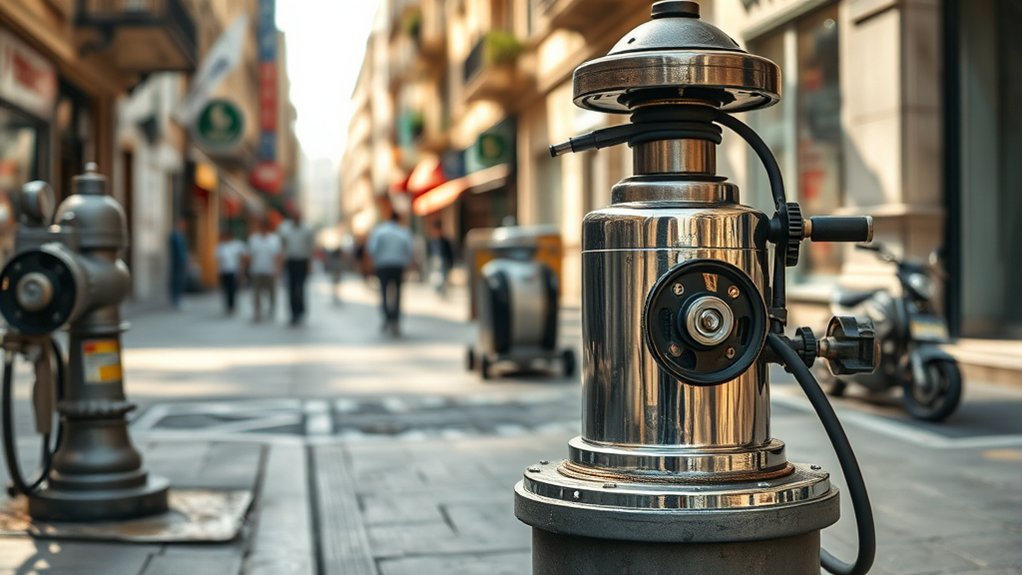
An electric water pump operates independently of the engine’s rotation, using an electric motor to circulate coolant through the engine and radiator. When comparing electric pump vs mechanical designs, the mechanical pump relies on a direct connection to the engine’s crankshaft or timing belt, which means its flow rate correlates with engine speed.
You’ll find that mechanical pumps provide less consistent coolant flow at idle or low RPMs, potentially leading to suboptimal cooling during stop-and-go conditions. In contrast, electric pumps deliver variable, controllable flow irrespective of engine speed, allowing for optimized coolant circulation.
This fundamental difference is key in a street cooling comparison, where electric pumps offer precise thermal management and improved efficiency under diverse driving conditions, unlike mechanical pumps that lack such adaptability.
How Electric Water Pumps Impact Engine Cooling on the Street
Understanding how electric water pumps influence engine cooling on the street requires examining their ability to maintain optimal coolant flow under varied driving scenarios. Unlike mechanical pumps, electric water pumps deliver coolant flow independent of engine speed, allowing consistent thermal management during idling and stop-and-go traffic.
You’ll find that this electric efficiency ensures the engine temperature remains stable without relying on engine RPM. Additionally, the weight impact of electric pumps is typically lower than mechanical counterparts, slightly improving overall vehicle dynamics.
However, you must consider that electric pumps depend on the vehicle’s electrical system, which can introduce complexity. Overall, their precise control over coolant circulation enhances temperature regulation on the street, although it requires careful integration with existing cooling and electrical systems to fully capitalize on their benefits.
Benefits of Electric Water Pumps for Street Driving
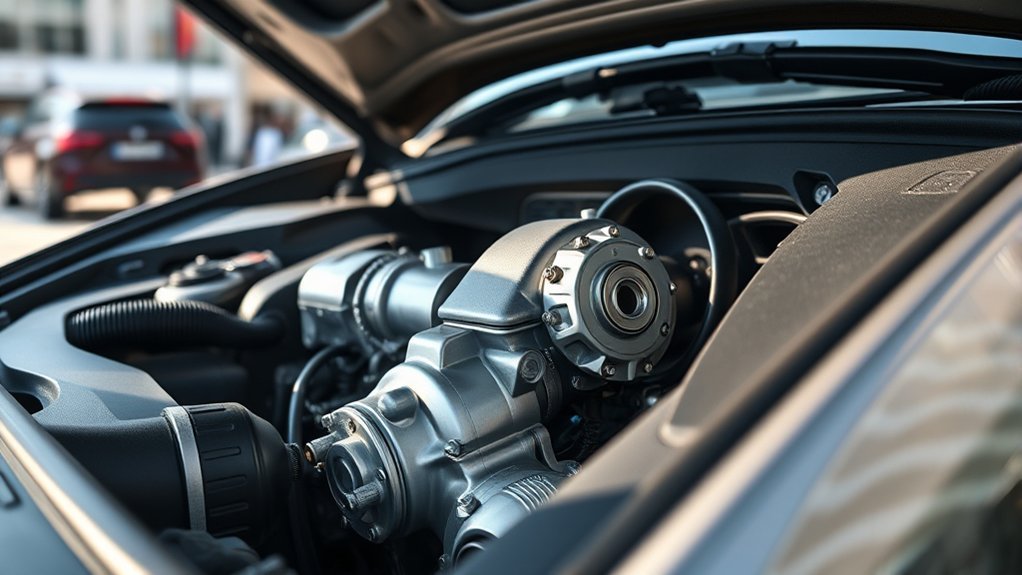
Why choose electric water pumps for street driving? You benefit from precise coolant flow control, which optimizes engine temperature under varying conditions. Unlike mechanical pumps tied to engine speed, electric pumps operate independently, reducing parasitic drag.
This results in improved fuel economy as the engine doesn’t expend unnecessary power driving the pump. Additionally, electric pumps produce minimal electric noise compared to mechanical counterparts, enhancing cabin comfort during idle or low-speed cruising.
You also gain quicker warm-up times, since the pump can run at low or no engine speed, improving efficiency and emissions. The pump’s ability to adjust flow dynamically adapts to real-time cooling demands, maintaining optimal thermal management while reducing wear on engine components.
Drawbacks of Electric Water Pumps on Daily Drivers
How reliable are electric water pumps when it comes to daily driving? You need to weigh electric pump drawbacks carefully. One major concern is potential electrical failure; since these pumps rely on the vehicle’s electrical system, any wiring issues or battery weakness can compromise coolant flow, risking engine overheating.
Additionally, electric pumps may not provide consistent pressure at varying engine speeds, leading to inefficient cooling under certain conditions. You should also consider that electric pumps often draw power continuously, which can slightly reduce fuel efficiency.
These daily driver concerns underline the importance of evaluating your vehicle’s electrical capacity and cooling requirements before switching. While electric pumps offer benefits, their drawbacks can impact reliability and performance in everyday use, making them less foolproof than mechanical counterparts.
Installation and Maintenance Challenges of Electric Water Pumps
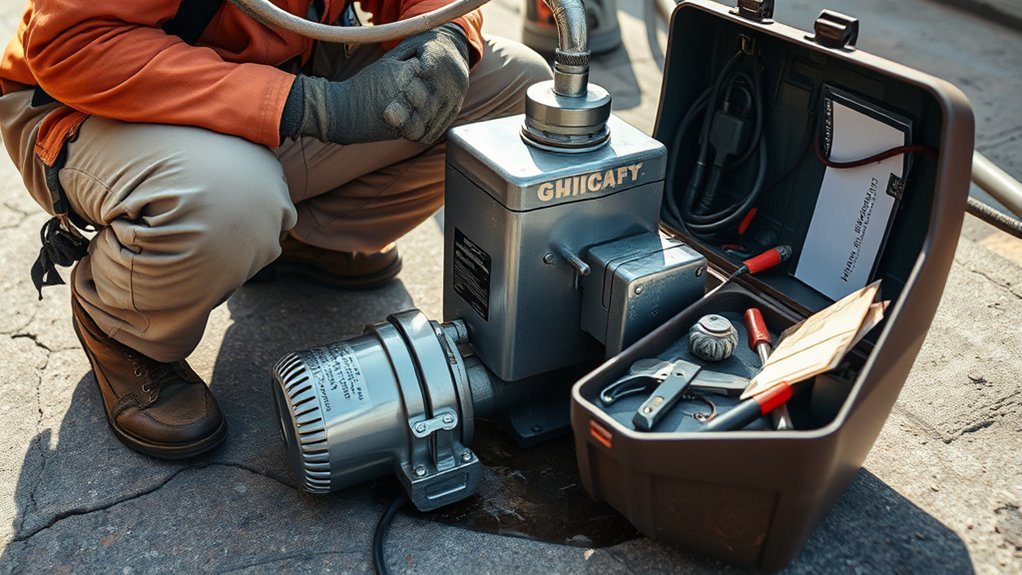
You’ll need to carefully manage wiring and electrical integration to ensure reliable pump operation without overloading the system.
Space and mounting constraints can complicate installation, requiring precise measurements and compatible hardware.
Additionally, routine inspection and servicing are essential to maintain performance and prevent premature failure.
Wiring and Electrical Integration
Where do the main challenges lie when integrating electric water pumps into your vehicle’s wiring system? Primarily, you must ensure that the electrical harnesses can handle the pump’s amperage without voltage drop or overheating. Selecting appropriate gauge wiring is crucial to maintain consistent current flow.
Additionally, precise fuse sizing is essential to protect the circuit; undersized fuses may blow prematurely, while oversized fuses risk wiring damage or fire hazards. You’ll also need to integrate the pump’s control with existing vehicle electronics, ensuring compatibility with ignition or temperature sensors to prevent unnecessary drain or malfunction.
Proper routing and securing of wiring prevent mechanical wear and exposure to heat or moisture, which could compromise system reliability. Addressing these factors is crucial for safe, effective electrical integration of your electric water pump.
Space and Mounting Constraints
Beyond wiring considerations, fitting an electric water pump into your vehicle presents a distinct set of challenges related to space and mounting. You must carefully evaluate space constraints within the engine bay, as electric pumps often require dedicated clearance that traditional mechanical pumps don’t.
Selecting appropriate mounting options is crucial to ensure stability and minimize vibration, which directly affects pump longevity and performance. Additionally, the integration of electrical components demands precise routing to avoid interference and maintain optimal cooling capacity.
Consider the weight impact; although electric pumps are typically lighter, improper placement can disrupt vehicle balance.
Key factors to assess include:
- Available mounting surfaces compatible with pump design
- Adequate clearance for airflow and heat dissipation
- Electrical integration proximity to existing systems for efficient wiring
Routine Inspection and Servicing
Routine inspection and servicing play a critical role in maintaining the reliability and efficiency of electric water pumps in street vehicles. You need to focus on key areas such as electrical connections, pump housing integrity, and coolant flow to avoid premature failures.
This subtopic is not relevant to other H2s like installation but is vital for longevity. Use the following table to guide your routine checks:
| Inspection Area | Key Checkpoint | Recommended Action |
|---|---|---|
| Electrical System | Connection corrosion | Clean and tighten |
| Pump Housing | Cracks or leaks | Repair or replace |
| Coolant Flow | Blockages or air pockets | Flush and bleed system |
| Performance Metrics | Flow rate and pressure | Test and recalibrate |
Prioritize these steps to ensure optimal pump performance.
Reliability of Electric Water Pumps for Street Driving
You need to assess how electric water pumps hold up under the daily stresses of street driving, including exposure to temperature fluctuations and vibration. Evaluating their ability to maintain consistent coolant flow is critical for engine stability and preventing overheating.
Understanding these factors will clarify if electric pumps meet the reliability demands of regular use.
Durability Under Daily Conditions
How well do electric water pumps hold up under daily street driving conditions? When evaluating durability concerns, you need to contemplate components exposed to constant thermal cycling and vibration.
Electric pumps designed with high-quality bearings and corrosion-resistant materials often excel in street reliability. However, inferior units may suffer premature wear or electrical failures.
Key factors affecting durability include:
- Thermal endurance: Ability to withstand frequent temperature fluctuations without degradation
- Mechanical robustness: Resistance to vibrations and shocks common in urban driving
- Electrical resilience: Protection against voltage spikes and moisture ingress
Consistent Cooling Performance
Although electric water pumps offer advantages in efficiency and control, their consistent cooling performance under varied street driving conditions remains critical for reliability. You need a pump that maintains optimal coolant flow regardless of stop-and-go traffic, idling, or sudden acceleration.
Electric cooling systems excel by modulating pump speed based on engine temperature, ensuring precise thermal management. This dynamic response preserves power efficiency, preventing unnecessary energy consumption when full flow isn’t required.
However, you must ensure the pump’s controller and sensor integration are calibrated to real-world driving patterns to avoid overheating risks. Properly designed electric water pumps deliver stable coolant circulation, enhancing engine longevity and performance on the street.
Thus, consistent cooling performance is achievable if the system adapts accurately to fluctuating thermal loads inherent to daily driving.
Cost Considerations When Switching to Electric Water Pumps
What financial factors should you evaluate before switching to an electric water pump? You need to consider several budget considerations and discussion ideas to ensure the investment aligns with your goals.
First, assess the initial purchase price, as electric pumps often cost more upfront than mechanical ones. Second, factor in installation expenses, including potential modifications to your cooling system and electrical setup.
Third, evaluate long-term operational costs, such as electricity consumption and possible maintenance savings due to fewer moving parts.
- Initial cost versus mechanical pump alternatives
- Installation complexity and associated labor costs
- Ongoing electricity usage and maintenance budget impact
How to Decide If an Electric Water Pump Fits Your Street Car
Determining whether an electric water pump suits your street car requires a thorough evaluation of your vehicle’s cooling demands and driving conditions. First, analyze your engine’s thermal load under typical street use; electric pumps excel in managing non heat topics like idle cooling and stop and go traffic, where traditional pumps may underperform.
Next, consider your car’s interior styling and engine bay layout. Electric pumps free up space by eliminating belt-driven components, allowing cleaner packaging and enhanced aesthetics. Assess your electrical system capacity since electric pumps draw power continuously.
Finally, factor in maintenance benefits versus installation complexity. If your street car prioritizes efficient cooling without compromising interior styling and can handle the electrical load, an electric water pump is a technically sound upgrade for improved performance and reliability.
Frequently Asked Questions
Do Electric Water Pumps Affect My Car’s Fuel Efficiency?
You’ll notice electric cooling efficiency improves, reducing engine load and slightly boosting fuel efficiency. However, the battery load impact can offset gains, so overall fuel savings depend on your electrical system’s capacity and driving conditions.
Can Electric Water Pumps Cause Electrical System Issues?
Like a tight circuit, electric water pumps demand precise electric compatibility to avoid electrical system issues. If mismatched, they can cause erratic cooling noise and voltage drops, potentially disrupting your vehicle’s electrical stability and performance.
Are Electric Water Pumps Compatible With All Car Models?
Are electric water pumps aren’t universally compatible; you’ll face compatibility concerns based on your car’s design.
Assess performance impacts carefully, since improper fit may void warranties. Always check specific model compatibility to ensure reliability and warranty compliance.
How Do Electric Water Pumps Perform in Extreme Weather Conditions?
Think of electric water pumps as resilient athletes; their extreme weather performance hinges on high-quality materials ensuring durability under stress.
They maintain consistent cooling in harsh conditions but require proper insulation and design to prevent failure.
Will Installing an Electric Water Pump Void My Vehicle Warranty?
Installing an electric water pump may affect your warranty implications if not approved by the manufacturer. You should review installation considerations carefully, ensuring proper documentation and compliance to avoid voiding your vehicle warranty.
Conclusion
You’ll gain precise temperature control, quicker warm-ups, and improved cooling efficiency with electric water pumps. You’ll face higher upfront costs, complex installation, and rely on electrical system health. You’ll enjoy cleaner engine bays and reduced parasitic drag, but you’ll need careful maintenance and integration.
Ultimately, if you want enhanced street performance and comfort with technical sophistication, electric water pumps are worth considering—just weigh the trade-offs and plan accordingly for reliable, efficient cooling.