Are Pump Water Bottles Safe to Reuse
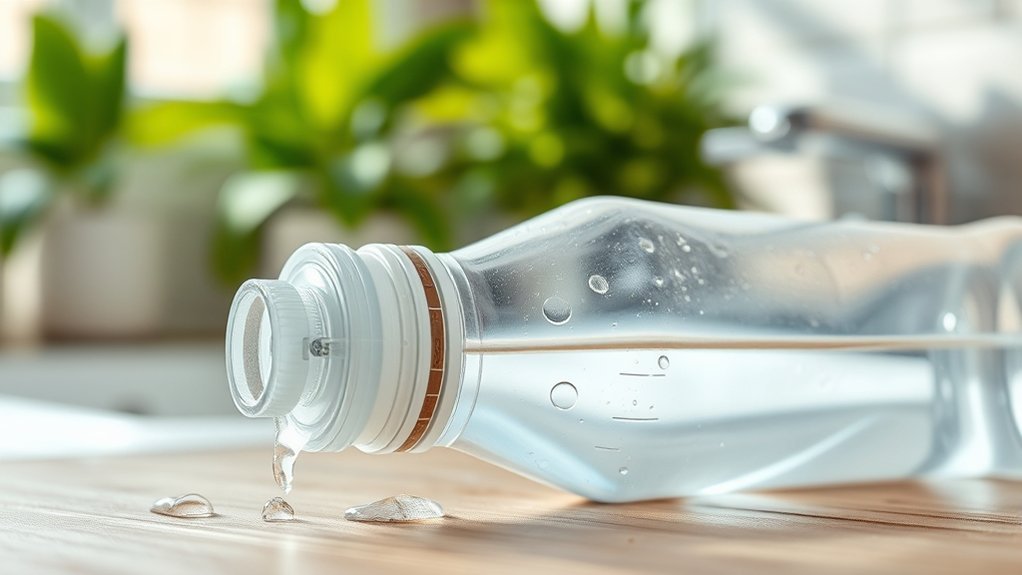
If you’re considering reusing a pump water bottle, it’s important to understand the potential risks involved with pump water bottles. Bacteria and biofilms can develop quickly if the bottle isn’t cleaned and maintained properly.
Choosing the right materials, such as BPA-free plastics or stainless steel, also plays a critical role in safety. To avoid contamination and chemical leaching, you’ll want to be deliberate about how you clean, store, and inspect your bottle over time.
Key Takeaways
- Pump water bottles can harbor bacteria and mold if not thoroughly cleaned and dried between uses.
- Reusable pump bottles made from BPA-free plastics or stainless steel are safer and more durable than disposables.
- Regular disassembly, washing with warm soapy water, and sanitizing reduce contamination risks effectively.
- Replace pump bottles every 3 to 6 months or if damage, odor, or discoloration occurs to maintain safety.
- Proper storage in cool, dry places and avoiding moisture buildup inside pump mechanisms prevent microbial growth.
Is It Safe to Reuse Pump Water Bottles?
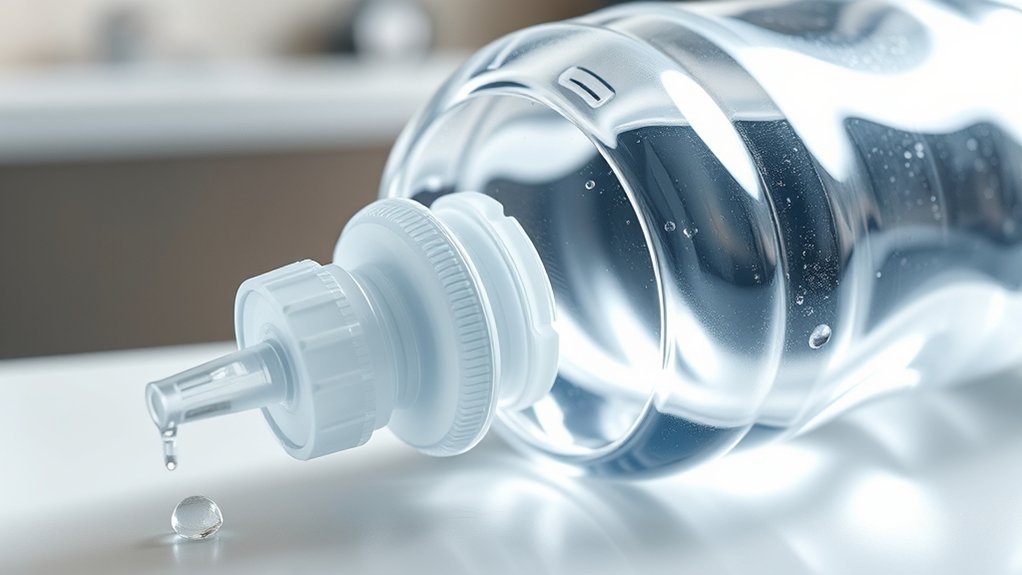
When considering whether you can safely reuse pump water bottles, it’s important to understand the materials involved and potential contamination risks. Pump design plays a crucial role; complex mechanisms with narrow tubing and seals can trap moisture and microbes, making thorough cleaning challenging.
Bottle ergonomics also influence safety. Bottles shaped for grip often have grooves or crevices where bacteria can accumulate if not properly sanitized. Most reusable pump water bottles are made from BPA-free plastics or stainless steel, which resist degradation, but repeated use without meticulous cleaning increases contamination risk.
To minimize hazards, ensure your bottle’s pump design allows easy disassembly and access, and prioritize bottles with smooth surfaces that facilitate effective cleaning. Always follow manufacturer guidelines to maintain hygiene and reduce health risks associated with reuse.
What Causes Bacteria to Build Up in Pump Water Bottles?
You’ll find that moisture retention inside pump water bottles creates an ideal environment for bacterial growth. Additionally, exposure to contaminants from your hands, air, and the bottle’s surfaces introduces bacteria that can multiply rapidly.
Understanding these factors is critical to minimizing bacterial buildup and ensuring safe reuse.
Moisture Retention Effects
Why does moisture retention in pump water bottles create a hotspot for bacterial growth? When residual water remains trapped inside the pump mechanism or bottle crevices, it forms a damp environment that fosters microbial proliferation.
Studies show that moist surfaces provide ideal conditions for bacteria to multiply rapidly, compromising pump safety. You should understand that even minimal moisture can support biofilm formation, increasing contamination risks.
Regularly drying and thoroughly cleaning these parts disrupts this moisture retention effect, reducing bacterial buildup. Focus on two word discussion ideas like “moisture control” and “cleaning frequency” to enhance your pump safety practices.
Prioritizing moisture management prevents bacterial growth, ensuring the bottle remains hygienic and safe for reuse.
Contaminant Exposure Sources
How do bacteria find their way into pump water bottles? Contaminant exposure mainly results from improper handling and environmental factors that compromise pump safety and bottle longevity.
You risk bacterial buildup when touching the pump nozzle with unclean hands, leaving residual moisture inside the bottle or pump mechanism, storing bottles in warm, humid environments conducive to microbial growth, or failing to regularly clean and fully dry all components.
Each factor introduces or sustains microbial presence, which can multiply rapidly if neglected. To ensure pump safety and extend bottle longevity, you must adhere to strict cleaning protocols and minimize exposure to contaminants.
Understanding these sources helps you prevent bacterial colonization and maintain hygienic use, ensuring your pump water bottle remains safe for repeated use.
What Materials in Pump Water Bottles Are Safe?
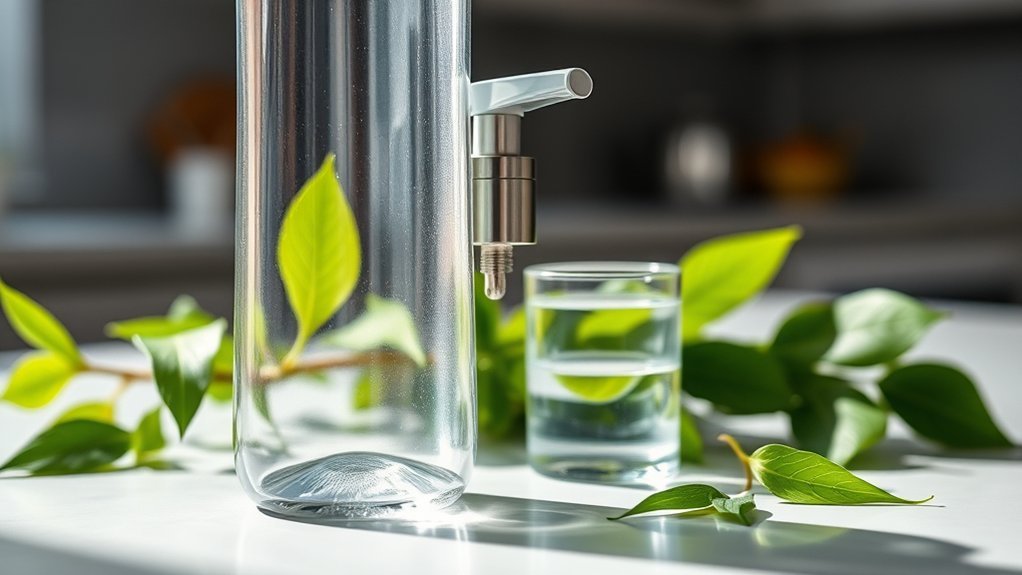
Which materials in pump water bottles ensure safe reuse? When selecting pump bottles for drinking water, you should prioritize those made from BPA-free plastics, such as high-density polyethylene (HDPE) or polypropylene (PP). These materials exhibit strong chemical stability, reducing the risk of harmful substances leaching into your water.
Glass bottles with silicone pumps also provide a non-reactive alternative, minimizing contamination concerns. Avoid bottles containing polycarbonate plastics, as they may release bisphenol A under stress or heat.
Ensure the bottle is explicitly labeled BPA free and food-grade to guarantee safety. Remember, material composition plays a critical role in maintaining water purity during reuse, so choosing appropriate substances helps protect your health and prevents exposure to potential contaminants.
Can Chemicals From Pump Water Bottles Leach Into Your Water?
Can chemicals from pump water bottles migrate into your drinking water under certain conditions? Yes, chemicals leaching can occur, especially when bottles are exposed to heat, sunlight, or prolonged storage.
This raises storage concerns, as some plastics may release additives like BPA or phthalates, which can pose health risks. To minimize chemical leaching, consider these factors:
- Avoid storing water in pump bottles for extended periods.
- Keep bottles out of direct sunlight and away from heat sources.
- Use bottles made from BPA-free or food-grade materials.
- Replace worn or scratched bottles, as damage can increase leaching potential.
How to Clean and Sanitize Pump Water Bottles Properly
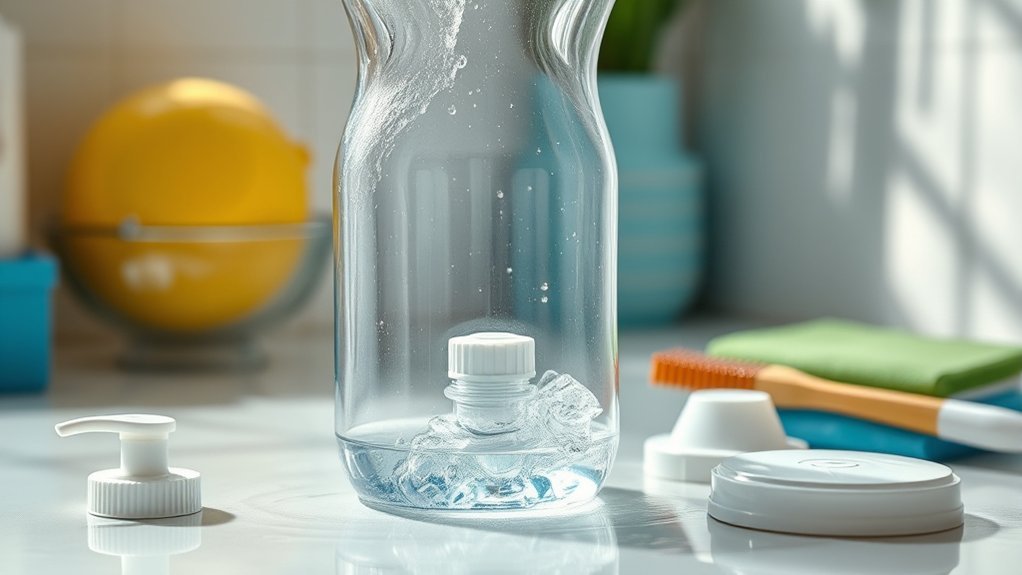
Why does proper cleaning and sanitizing of pump water bottles matter? Without safe handling, contamination risk rises sharply, promoting bacterial growth and compromising your health. You must disassemble all parts, wash with warm soapy water, then sanitize using a diluted bleach solution or specialized sanitizers proven effective against pathogens.
| Proper Cleaning Steps | Consequences of Neglect |
|---|---|
| Disassemble all parts | Bacterial biofilm formation |
| Use warm soapy water | Illness from contamination |
| Sanitize thoroughly | Cross-contamination risk |
Following these steps ensures you minimize microbial hazards. Avoid shortcuts; even microscopic residues can harbor pathogens. Scientific studies confirm that meticulous cleaning and sanitizing reduce contamination risk, making reuse safer. Prioritize safe handling to protect yourself and others.
When to Replace Your Pump Water Bottle
How often should you replace your pump water bottle to maintain safety and hygiene? Following established safety guidelines is essential to minimize microbial contamination and material degradation.
While exact timing varies, consider these topic ideas as a precaution:
- Replace your bottle every 3 to 6 months with regular use, depending on manufacturer recommendations.
- Swap out immediately if exposed to extreme temperatures that may compromise plastic integrity.
- Upgrade after prolonged exposure to UV light, which can degrade materials and increase contamination risk.
- Change bottles if you notice persistent odors or discoloration despite proper cleaning.
Adhering to these evidence-based timeframes helps ensure your pump water bottle remains safe and effective, supporting your health and hydration needs without unnecessary risk.
Signs Your Pump Water Bottle Needs Replacement
When should you replace your pump water bottle to avoid health risks? Monitor signs related to pump safety and bottle durability. First, inspect the bottle for cracks, warping, or discoloration. These indicate material degradation that can harbor bacteria and compromise structural integrity.
If the pump mechanism sticks, leaks, or fails to deliver water smoothly, it signals mechanical wear that undermines hygiene and function. Persistent odors or mold inside the bottle also demand immediate replacement, as they reflect microbial contamination beyond effective cleaning.
Additionally, note the manufacturer’s recommended lifespan. Exceeding it increases risk of chemical leaching or breakdown. Prioritize timely replacement to maintain pump safety and ensure your bottle’s durability supports safe, repeated use.
Reusable vs. Disposable Pump Water Bottles: Which Is Safer?
You need to weigh material durability, as reusable bottles often withstand wear better than disposable ones, reducing microfracture risks. Consider health risks linked to bacterial buildup and chemical leaching, which vary by bottle type and usage.
Additionally, evaluate the environmental impact of each option to make a safer, more sustainable choice.
Material Durability Comparison
Material durability plays a critical role in determining the safety of pump water bottles for reuse. When evaluating reusable versus disposable bottles, consider these key discussion ideas about material durability:
Reusable bottles often use high-grade plastics or stainless steel, designed to withstand repeated use and cleaning without degrading. Disposable bottles typically employ thinner plastics prone to wear, cracking, or leaching chemicals after limited use.
Repeated mechanical stress on reusable pump mechanisms can affect seal integrity, potentially compromising material safety. Environmental exposure such as UV light and temperature fluctuations can accelerate material breakdown in both types but more rapidly in disposables.
Understanding these factors helps you choose pump water bottles that maintain structural integrity and minimize risk during reuse, emphasizing the importance of selecting durable, non-degrading materials for safety and longevity.
Health Risks Assessment
How do health risks compare between reusable and disposable pump water bottles? Reusable bottles can harbor bacteria, mold, and biofilms if not cleaned thoroughly, posing infection risks. Disposable bottles, designed for single use, reduce microbial buildup but may contain chemical additives like BPA, which can leach over time, especially if reused.
Some health myths suggest disposables are inherently unsafe, but evidence shows proper risk mitigation, like routine sterilization of reusables and avoiding prolonged reuse of disposables, effectively minimizes hazards. Your safest bet involves understanding material properties and following strict hygiene protocols.
Ultimately, both options carry potential risks; the key lies in consistent cleaning and responsible use to prevent contamination or chemical exposure. This precautionary approach ensures you maintain water safety regardless of your bottle choice.
Environmental Impact Analysis
Beyond health considerations, evaluating the environmental impact of reusable versus disposable pump water bottles helps you make a more informed choice. Reusable bottles generally reduce waste but require responsible maintenance and disposal.
Disposable bottles, while convenient, contribute significantly to landfill volume and resource depletion. Environmental policy increasingly favors reusable options, promoting sustainability and reducing ecological footprints.
However, recycling markets fluctuate, affecting the actual impact of each type.
Consider these factors when assessing environmental impact:
- Energy consumption in manufacturing reusable vs. disposable bottles
- Lifespan and reuse potential of pump water bottles
- Accessibility and effectiveness of local recycling markets
- Compliance with evolving environmental policy standards
How to Store Pump Water Bottles Between Uses
Although pump water bottles are designed for repeated use, improper storage between uses can promote bacterial growth and degrade the product inside. To minimize contamination risks, store the bottle in a cool, dry place away from direct sunlight and heat sources, which can accelerate chemical leaching and microbial proliferation.
Always ensure the pump mechanism is clean and dry before sealing to prevent moisture buildup. Following established recycling protocols and regulatory standards, avoid refilling bottles with incompatible substances or beyond recommended time frames, as this compromises material integrity.
Regularly inspect for cracks or discoloration, signaling potential microbial colonization or plastic breakdown. By adhering to these precautionary measures, you maintain both product efficacy and safety, reducing health hazards associated with improper storage of pump water bottles.
Where to Find Safe and Durable Pump Water Bottles
You should buy pump water bottles from trusted retailers and established brands to ensure product safety and quality. Look for bottles made from durable, BPA-free materials like medical-grade silicone or polypropylene, which resist degradation over time.
Prioritizing these factors helps minimize contamination risks and prolongs the bottle’s lifespan.
Trusted Retailers And Brands
Where can you find pump water bottles that guarantee safety and durability? Focus on trusted retailers and reputable brands that rigorously test their products for chemical safety and structural integrity. Avoid unrelated topics or irrelevant discussions about pricing or aesthetics when selecting your bottle. Instead, prioritize evidence-based features.
Look for retailers and brands that:
- Provide transparent information on product safety certifications, such as BPA-free and FDA approval
- Offer detailed usage guidelines to prevent contamination or degradation
- Have positive reviews from verified buyers emphasizing durability and hygiene
- Support product traceability and quality control through batch testing
Materials Ensuring Longevity
Selecting pump water bottles made from high-grade materials considerably impacts their safety and longevity. Look for BPA-free plastics like Tritan or stainless steel, which resist degradation and bacterial buildup. Avoid unrelated topic discussions that steer you toward irrelevant discussion about aesthetics over material safety.
Here’s a quick guide to materials ensuring durability:
| Material | Benefit |
|---|---|
| Tritan Plastic | BPA-free, impact-resistant |
| Stainless Steel | Corrosion-resistant, durable |
| Glass | Non-reactive, easy to clean |
| HDPE Plastic | Chemical-resistant, lightweight |
Frequently Asked Questions
Can Pump Water Bottles Be Used for Fluids Other Than Water?
You can use pump water bottles for fluids beyond water, but you must guarantee strict disinfection routines and verify the material safety for those liquids to prevent contamination or degradation, maintaining hygiene and bottle integrity.
Do Pump Water Bottles Work Well for Hot Beverages?
Pump water bottles generally don’t work well for hot beverages since most materials aren’t designed for high temperatures.
You should check material safety guidelines to avoid chemical leaching or bottle deformation when exposed to heat.
Are Pump Water Bottles Environmentally Friendly Compared to Other Bottles?
You’ll find pump water bottles less ecofriendly since only 9% of plastics get recycled. Their ecofriendly materials vary, and improper disposal worsens recycling impact.
Choosing bottles with certified sustainable components reduces environmental harm considerably.
How Long Do Pump Water Bottles Typically Last With Regular Use?
Pump water bottles typically last 6–12 months with regular use. You’ll notice degradation factors like UV exposure, repeated pumping, and chemical breakdown affecting material longevity.
Monitor for cracks or leaks to ensure safe continued use.
Can Children Safely Use Pump Water Bottles Without Choking Risks?
You should monitor children closely during pump bottle use, as safety concerns include choking risks from small parts or improper design.
Always choose age-appropriate bottles with secure mechanisms to minimize hazards and ensure safe hydration for children.
Conclusion
You should know that 60% of reusable water bottles harbor harmful bacteria if not cleaned properly. To keep your pump water bottle safe, always choose BPA-free, durable materials like Tritan or stainless steel. Clean and sanitize it regularly, disassemble all parts, and replace it when you notice wear or odors.
Proper care minimizes microbial growth and chemical leaching. This ensures your water remains safe to drink every time you use your bottle. Following these steps is essential for maintaining the safety of your pump water bottles.