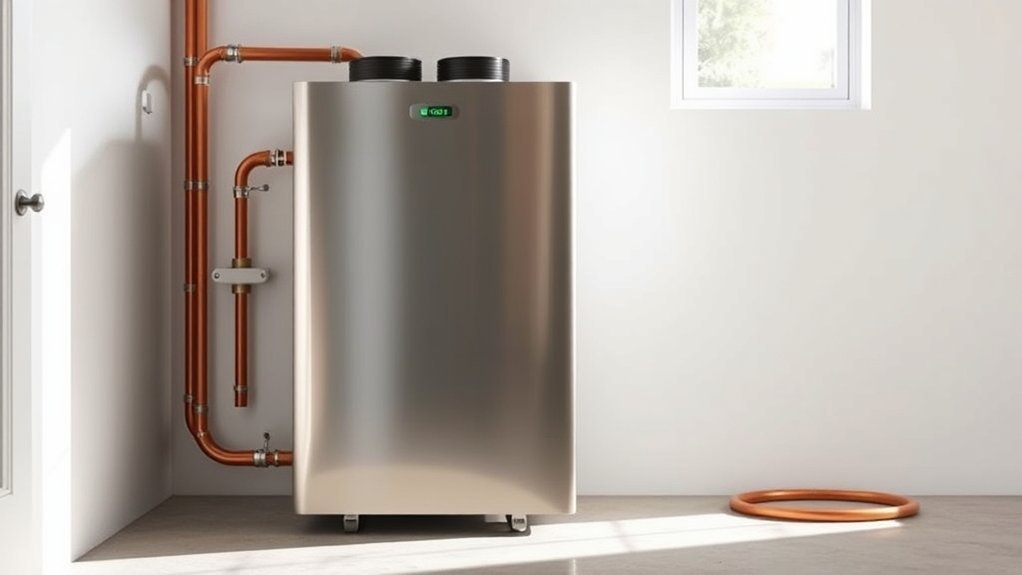
Are Heat Pump Water Heaters Electric
If you’ve noticed your electric bill change after installing a heat pump water heater, you might wonder: Are heat pump water heaters electric?
The answer is yes, they do use electricity, but in a different way than traditional electric water heaters.
Unlike electric resistance heaters that convert electricity directly into heat, heat pump water heaters rely on a compressor and refrigerant cycle to transfer heat from the air to the water.
This method makes them more energy-efficient and can lead to lower operating costs.
Understanding this distinction is important because it affects how these systems operate and how much electricity they consume.
Knowing the difference can help you make an informed choice for your home.
Key Takeaways
- Heat pump water heaters use electricity to power compressors and fans, not for direct heating.
- They move ambient heat into water through a refrigerant cycle, making them electrically operated devices.
- These heaters consume about 50% less electricity than traditional electric resistance water heaters.
- Electricity drives the heat transfer process, achieving 2 to 3 times more heat output than the electrical energy used.
- Heat pump water heaters can integrate with solar panels to use renewable electricity and reduce grid dependence.
What Is a Heat Pump Water Heater and How Does It Work?
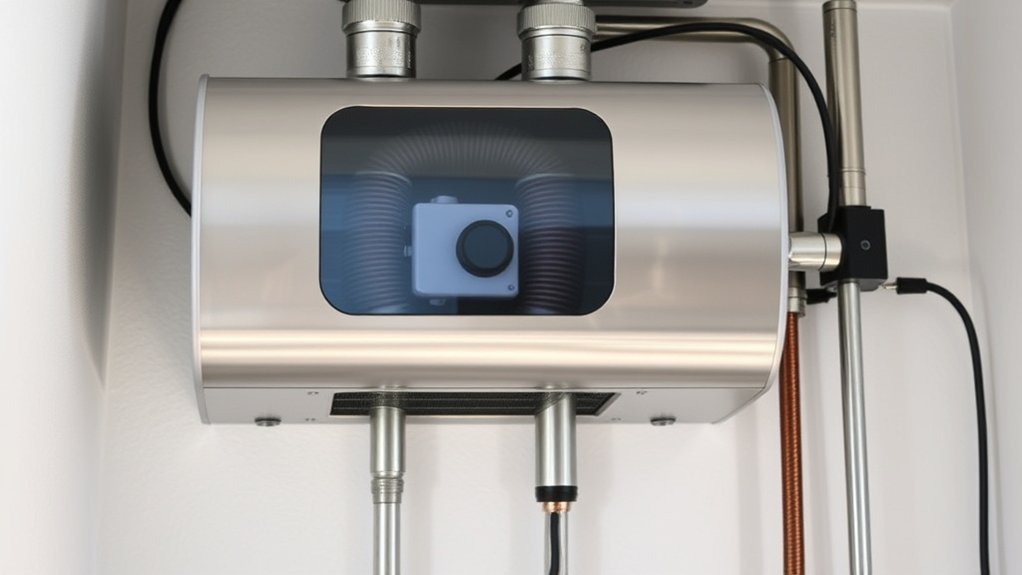
How does a heat pump water heater operate to deliver efficient hot water? You’ll find it uses electricity not to generate heat directly but to move it. By extracting ambient heat from the surrounding air, it transfers this thermal energy to your water tank via a refrigerant cycle.
This process defies common heat pump myths suggesting they are inefficient in cold climates; modern units maintain high performance through advanced compressors and controls. You’ll benefit from superior electric efficiency, often achieving a coefficient of performance (COP) between 2 and 3, meaning they produce two to three times more heat energy than the electrical energy consumed.
Understanding this mechanism helps you appreciate how heat pump water heaters provide cost-effective and energy-efficient hot water solutions.
Are Heat Pump Water Heaters Electric?
Why do heat pump water heaters rely on electricity? They use electric-powered compressors to transfer heat from ambient air to water, making electricity essential for operation. Unlike traditional electric resistance heaters, these systems consume about 50% less electricity by leveraging ambient heat, which enhances efficiency.
When considering solar integration, heat pump water heaters can pair with photovoltaic panels, allowing you to use renewable electricity to run the compressor, reducing grid dependency. However, storage humidity plays a critical role; excessive moisture around the unit can reduce heat extraction efficiency and strain the compressor, increasing electric demand.
Understanding these factors clarifies that while heat pump water heaters are electric devices, their design optimizes electricity use by harvesting environmental heat, especially when combined with solar energy systems.
How Heat Pump Water Heaters Use Electricity Differently
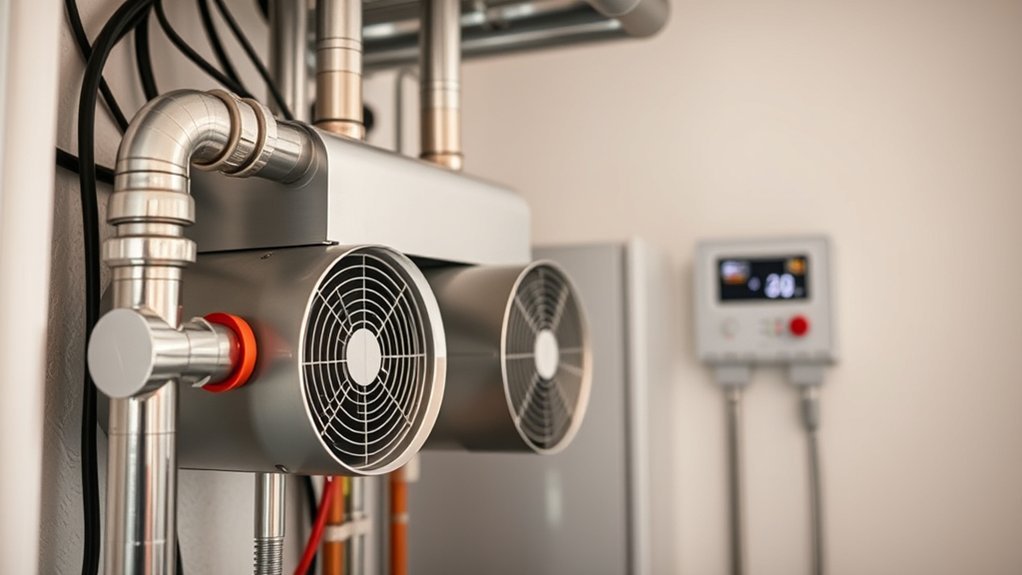
You’ll notice heat pump water heaters use electricity more efficiently by transferring heat rather than generating it directly. This process relies on a refrigeration cycle that moves ambient heat into the water, cutting electricity consumption by up to 60% compared to conventional electric heaters.
Understanding this heat transfer mechanism is key to grasping their distinct energy profile.
Electricity Usage Efficiency
What sets heat pump water heaters apart from traditional electric models is their method of electricity usage. Unlike resistive heaters that convert electricity directly into heat, heat pumps use electricity primarily to run compressors and fans, transferring heat rather than generating it.
This results in efficiency ratings of 200-300%, meaning for every unit of electricity consumed, you get two to three units of heat output. This debunks common electricity myths that all electric appliances have similar energy consumption.
When you apply gadget tips like monitoring your unit’s energy factor (EF) and scheduling operation during off-peak hours, you optimize electricity usage further. Heat pump water heaters achieve superior efficiency by leveraging electricity to move heat, not create it, making them significantly more energy-efficient than standard electric water heaters.
Heat Transfer Mechanism
How exactly do heat pump water heaters use electricity differently from traditional electric models? Unlike electric resistance heaters that convert electricity directly into heat, heat pump water heaters transfer heat from the surrounding air to the water. They use electricity primarily to power the compressor and fans.
This process is more energy-efficient because it moves heat rather than generating it.
Here’s how their heat transfer mechanism stands out:
- They extract ambient heat, reducing reliance on electric resistance elements.
- They maintain a constant temperature by cycling the compressor efficiently, minimizing energy spikes.
- Their electricity consumption focuses on mechanical components, not direct heating, enhancing overall efficiency.
Key Electric Parts Inside a Heat Pump Water Heater
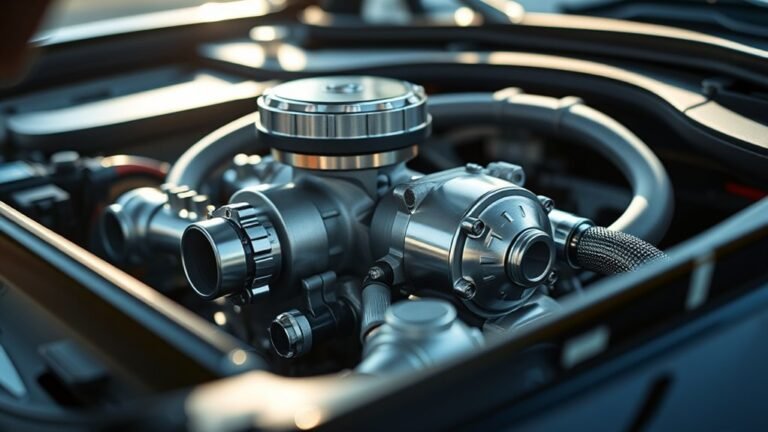
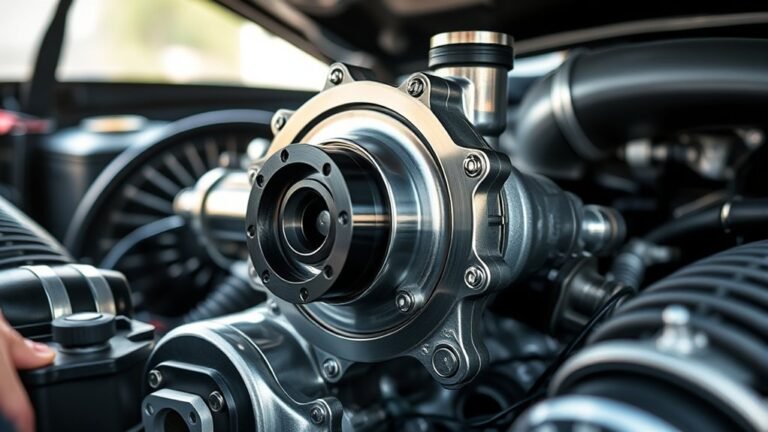
Which components enable a heat pump water heater to operate efficiently? The key electric parts include the compressor, fan motor, and control board. The compressor pressurizes refrigerant, facilitating heat transfer with a coefficient of performance (COP) typically between 2.5 and 3.5.
The fan motor circulates ambient air across the evaporator coil, ensuring optimal heat absorption. The control board precisely manages system functions, monitoring temperature sensors and activating components as needed. Additionally, electric resistance elements serve as backup heating, engaging only when necessary.
These discussed topics focus strictly on electrical components, avoiding unrelated themes like plumbing or installation. Understanding these parts clarifies how electricity powers the heat pump water heater’s efficient operation without delving into comparative efficiency metrics reserved for the next subtopic.
Heat Pump vs. Electric Resistance: Which Is More Efficient?
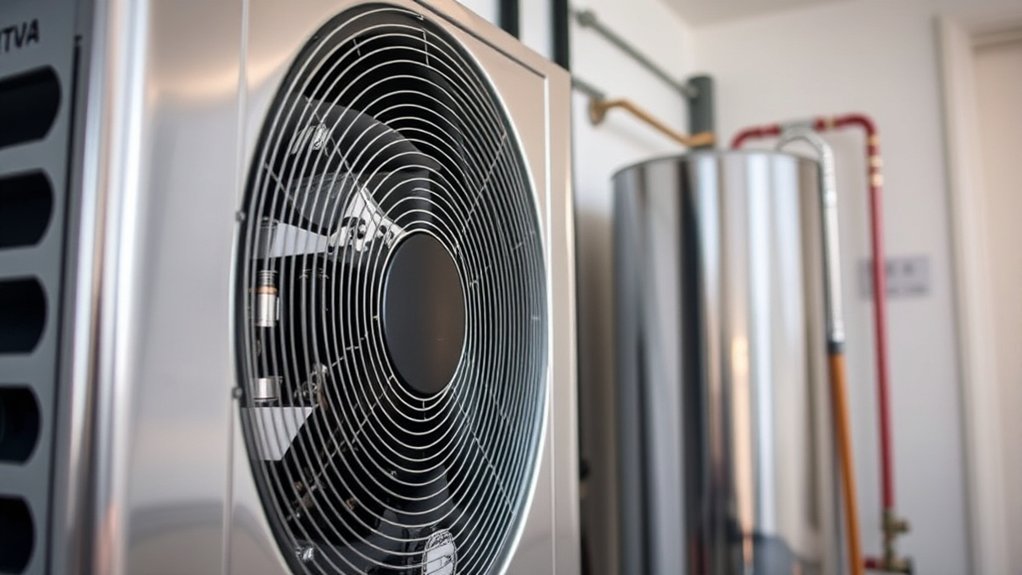
Understanding the electric components that enable a heat pump water heater to function efficiently sets the stage for comparing its performance against traditional electric resistance water heaters. Heat pump water heaters typically deliver 2 to 3 times the efficiency of electric boilers by transferring heat rather than generating it directly.
Heat pump water heaters operate more efficiently by transferring heat, outperforming traditional electric resistance water heaters.
When evaluating efficiency, consider:
- Coefficient of Performance (COP): Heat pumps boast COPs around 3.0-4.0, while electric resistance units max out near 1.0.
- Energy consumption: Heat pumps consume less electricity, reducing operating costs significantly.
- Solar integration compatibility: Heat pump systems adapt well to solar-powered electric boilers, enhancing renewable energy use.
Benefits of Using an Electric Heat Pump Water Heater
You’ll find that electric heat pump water heaters use up to 60% less energy compared to traditional electric resistance models, substantially lowering your utility bills over time.
Energy Efficiency Advantages
How much energy can an electric heat pump water heater save compared to traditional models? Typically, these units use 50-60% less electricity, as confirmed by electricity labeling standards that measure energy factor (EF) or uniform energy factor (UEF). By extracting ambient heat rather than generating it directly, they reduce grid load and carbon emissions.
Here’s why they stand out:
- Higher Efficiency Ratings: Electricity labeling ensures you compare precise energy consumption.
- Reduced Grid Implications: Lower power draw eases peak demand pressures on the electrical grid.
- Sustainable Energy Use: They leverage existing ambient heat, making them ideal for energy-conscious users.
Cost Savings Over Time
The significant reduction in electricity consumption from heat pump water heaters directly translates into measurable cost savings on your utility bills. Compared to conventional electric resistance water heaters, heat pumps achieve efficiency ratings two to three times higher, cutting energy costs by up to 50%.
When considering a contrasting retrofit, the initial higher investment in heat pump technology is offset within 2 to 4 years due to lower operational expenses. Additionally, ongoing maintenance costs remain minimal, improving your long-term savings.
This efficiency mirrors the growing preference for nondairy alternatives in energy consumption; both prioritize lower resource use without compromising performance. By choosing a heat pump water heater, you optimize energy use and reduce expenses, making it a financially sound decision that balances upfront costs against durable, measurable savings over time.
Environmental Impact Reduction
Why does choosing an electric heat pump water heater matter for environmental impact? Because it substantially lowers carbon emissions compared to conventional electric resistance heaters by utilizing ambient air heat.
This technology supports sustainable sourcing by minimizing reliance on fossil fuels and integrating efficiently with renewable energy grids, enhancing grid resilience.
When you opt for an electric heat pump water heater, you contribute to:
- Reduced greenhouse gas emissions due to higher energy efficiency (up to 60% less energy consumed).
- Lower environmental strain through decreased demand on non-renewable energy sources.
- Enhanced grid resilience by enabling load shifting and compatibility with variable renewable energy inputs.
Common Myths About Heat Pump Water Heaters and Electricity
Where do common misconceptions about heat pump water heaters and electricity come from? Often, the confusion arises from unfamiliar electric jargon and subtle operational noises like the inverter hum. You might hear the low-frequency inverter hum and mistakenly believe the device consumes excessive power continuously.
In reality, heat pump water heaters use advanced inverter technology to modulate compressor speed, optimizing electricity consumption efficiently. Contrary to myths, they don’t operate like traditional electric resistance heaters that draw constant high power.
Instead, these units leverage ambient heat and electric power selectively, reducing overall energy use. Understanding the precise electrical mechanisms behind these systems helps you avoid misjudging their efficiency and environmental benefits based on surface-level electric jargon or auditory cues alone.
How to Choose the Right Electric Heat Pump Water Heater
How do you determine which electric heat pump water heater fits your needs best? Start by assessing your household’s hot water demand and energy consumption patterns to ensure optimal sizing.
Begin by evaluating your household’s hot water needs and energy use for proper heat pump sizing.
Next, evaluate the unit’s energy factor (EF) and coefficient of performance (COP) to gauge efficiency and reduce electric risk, especially in areas with fluctuating power reliability. Finally, consider the unit’s compatibility with your existing electrical infrastructure to avoid costly upgrades.
- Analyze energy efficiency ratings (EF, COP) for cost-effective operation
- Assess power reliability in your area to minimize electric risk
- Verify electrical system compatibility for seamless integration
Maintaining and Troubleshooting Electric Parts of Heat Pump Water Heaters
When was the last time you inspected the electrical components of your heat pump water heater? Regular maintenance focuses on checking wiring integrity, control boards, and thermostat calibration.
Use a multimeter to measure voltage and continuity; readings outside manufacturer specifications indicate faults. Inspect capacitors and relays visually for bulging or corrosion, which impair performance.
Troubleshoot by isolating components: disconnect power, test each part individually, then replace faulty elements to prevent system failure. Avoid off topic discussion, such as unrelated topic comparisons with gas water heaters, which can confuse diagnostics.
Document all findings systematically to streamline repairs and future maintenance. Ensuring electric parts function at their best improves energy efficiency and extends lifespan, preventing costly downtime in your heat pump water heater system.
Frequently Asked Questions
Can Heat Pump Water Heaters Work in Cold Climates?
Yes, heat pump water heaters can work in cold climates, but their refrigerant efficiency drops as temperatures fall. You’ll need a model designed for low temperatures or supplemental heating to maintain optimum performance and energy savings.
Are There Government Rebates for Installing Heat Pump Water Heaters?
Yes, you’re likely eligible for government rebates when installing heat pump water heaters, especially if your region offers climate incentives promoting energy efficiency.
Check local programs to maximize rebate eligibility based on your home’s climate zone and installation specifics.
How Long Does a Heat Pump Water Heater Typically Last?
You know what they say: “An ounce of prevention is worth a pound of cure.” With proper long term maintenance, heat pump water heaters last 10-15 years, maintaining efficiency comparisons favoring lower energy costs over traditional units.
Do Heat Pump Water Heaters Require Special Installation?
Yes, heat pump installation requires adherence to specific electrical requirements, including dedicated circuits and proper grounding.
You’ll need a qualified technician to guarantee compliance with local codes and optimize system efficiency during setup.
Can Heat Pump Water Heaters Be Used in Off-Grid Homes?
You can use heat pump water heaters in off-grid homes, but their off-grid viability depends on consistent power supply.
Winter performance may drop due to lower ambient temperatures, requiring supplemental heating or energy storage solutions for reliability.
Conclusion
You’ll find that heat pump water heaters are electric but far from ordinary—they use electricity to move heat, not create it, making them up to three times more efficient than traditional electric heaters. By tapping ambient air and optimizing performance, they slash energy costs and grid demand.
Choosing one means embracing cutting-edge tech that transforms your hot water system into a powerhouse of efficiency—saving you money and the environment in ways that seem almost too good to be true.
In conclusion, heat pump water heaters are electric devices that offer a highly efficient alternative to conventional water heating methods.