How to Filter Microplastics From Water
You might be surprised to learn that over 90% of bottled water samples contain microplastic contamination.
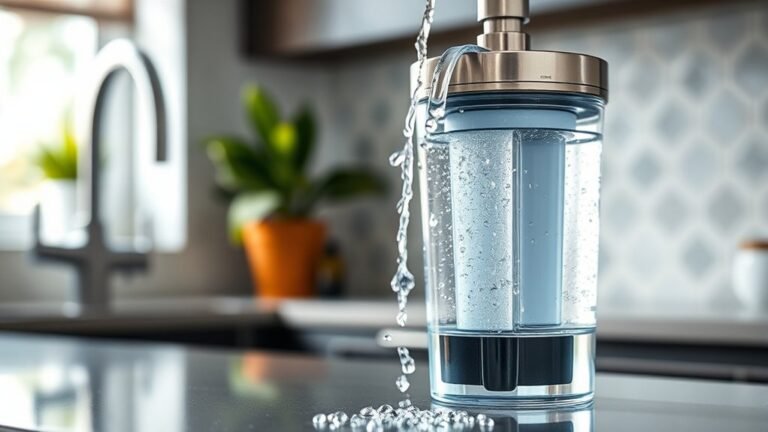
Filtering microplastics from water requires more than a simple screen; it demands a strategic, multilayered approach combining sediment filtration, activated carbon, and advanced membrane technologies.
Understanding which methods effectively target the smallest microplastics—and their limitations—can help you make informed choices about protecting your water quality.
Key Takeaways
- Use reverse osmosis membranes to remove over 99% of microplastics down to 0.0001 microns in size.
- Employ ceramic filters with microporous structures to physically trap microplastic particles, requiring regular cleaning for efficiency.
- Incorporate activated carbon filters to adsorb certain microplastics and organic contaminants, maintaining them with routine media replacement.
- Combine filtration methods like sediment pre-filters and ceramic filters to enhance microplastic capture across particle sizes.
- Reduce microfiber shedding at the source by washing textiles in microfiber-catching bags to lower microplastic input in wastewater.
What Are Microplastics and Why They Matter
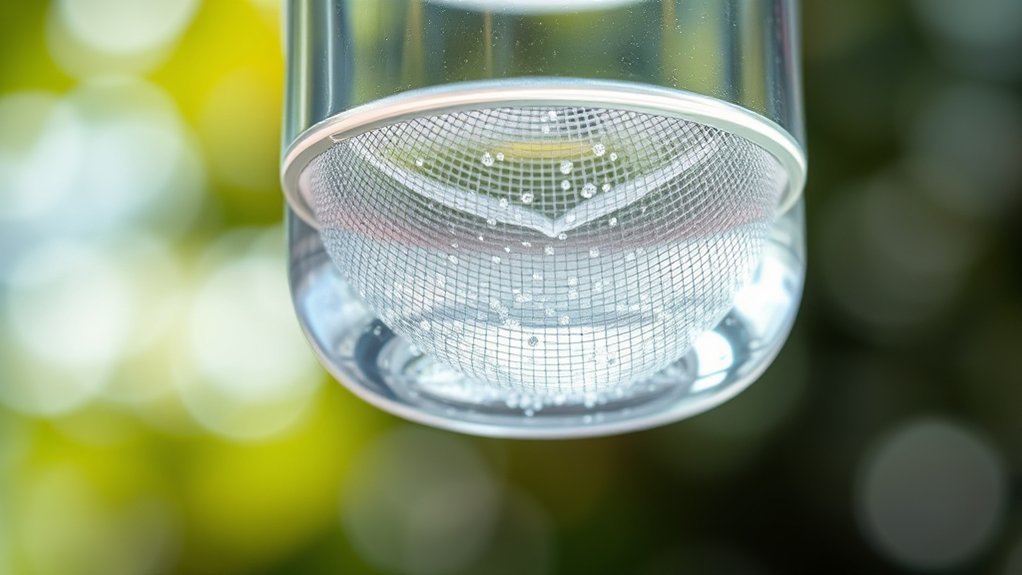
Understanding microplastics is essential because they represent a pervasive pollutant impacting ecosystems and human health. Microplastics definition refers to plastic particles smaller than 5 millimeters, originating from larger plastic debris breakdown or manufactured microbeads.
When you examine their environmental impact, you’ll find that these particles persist in water, soil, and air, disrupting natural processes. You should recognize that microplastics can absorb toxic chemicals, acting as vectors for pollutants.
This exacerbates risks to aquatic organisms, which ingest them, leading to bioaccumulation and potential transfer through the food chain. By comprehending microplastics definition and environmental impact, you’ll better understand why filtering them from water is critical for reducing ecological harm and safeguarding public health.
How Microplastics Get Into Your Drinking Water
You encounter microplastics in your drinking water primarily because they originate from widespread sources like synthetic textiles, personal care products, and degraded larger plastics. These particles enter water systems through runoff, wastewater discharge, and atmospheric deposition.
Understanding these pathways helps you identify how microplastics contaminate water before it reaches your tap.
Sources of Microplastic Pollution
Microplastics enter your drinking water through multiple pathways, including the breakdown of larger plastic debris, wastewater discharge, and atmospheric deposition. As plastics degrade, they fragment into microscopic particles that persist in aquatic environments.
Wastewater treatment plants often fail to capture all microplastics, allowing them to enter water sources. Atmospheric deposition contributes by transporting airborne microplastics into surface waters.
Your microplastic footprint reflects your contribution to this pollution, influenced by consumption habits and waste management practices. Increasing public awareness about these sources is vital for mitigating contamination.
Understanding the origin of microplastics helps you assess exposure risks and supports informed decisions on reducing your personal and community microplastic footprint, thereby promoting more effective pollution control strategies and safeguarding water quality.
Pathways Into Drinking Water
The routes through which microplastics infiltrate your drinking water stem from a combination of environmental and infrastructural factors. Microplastics pathways begin with contamination of source waters, including rivers and reservoirs, where plastic debris breaks down into microscopic particles.
These particles enter water treatment systems, but conventional filtration often fails to fully remove them due to their small size. Additionally, aging or compromised distribution infrastructure can introduce microplastics through pipe degradation or biofilm detachment.
Understanding these microplastics pathways is essential given their drinking water relevance, as ingestion poses potential health risks. By recognizing how microplastics enter and persist in your water supply, you can better assess treatment efficacy and explore advanced filtration methods to mitigate exposure effectively.
Which Microplastics in Water Are Hardest to Filter?
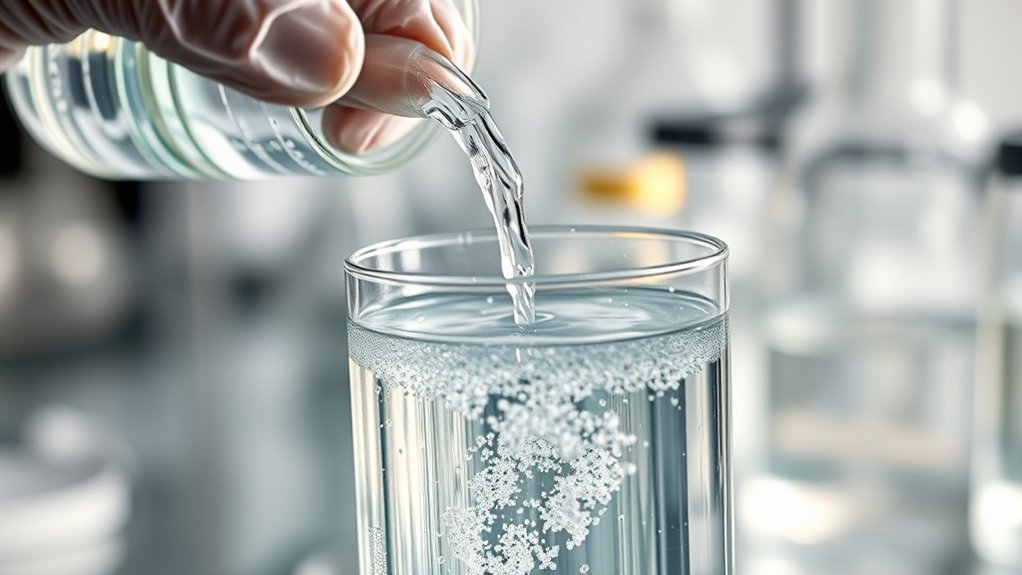
You’ll find that the smallest microplastic particles pose significant filtration challenges due to their size approaching or falling below filter pore dimensions.
Additionally, fibers with elongated shapes can bypass standard filters by aligning with flow paths, reducing capture efficiency. Understanding these factors is essential for selecting appropriate filtration methods.
Smallest Particle Challenges
Why do the tiniest plastic particles pose the greatest filtration challenges? Microplastics under 20 microns evade conventional filters due to their minuscule size and physicochemical properties. These particles often pass through standard mesh or membrane filters, demanding the use of novel filtration technologies such as advanced nanofiltration or electrocoagulation.
As you explore solutions, integrating these innovative methods becomes essential for effective removal. However, implementing novel filtration requires both technical advancement and consumer education. You need to understand how to operate sophisticated systems and recognize their limitations to optimize filtration outcomes.
Educating consumers about particle size impacts and appropriate filtration choices enhances system adoption and performance. Addressing the smallest particle challenges is critical, as failure to filter these diminutive microplastics compromises water quality and public health safety.
Fiber Shape Difficulties
Although microplastics vary widely in shape, fibers present unique filtration challenges due to their elongated and flexible structure. When you filter water, fibers tend to entangle and slip through conventional filter media more easily than rigid particles.
This is particularly problematic because fiber shedding during textile washing releases a high volume of microplastic fibers into wastewater systems. The thin, thread-like morphology of these fibers allows them to bypass standard mesh sizes, decreasing filtration efficiency.
To address this, you need specialized filter designs that can capture flexible fibers without clogging rapidly. Understanding fiber shedding mechanisms during textile washing helps you anticipate the concentration and types of fibers present, enabling better filter material selection and system optimization for effective microplastic removal.
How to Pick the Best Microplastic Filters
How do you determine which microplastic filter suits your specific water filtration needs? Start by evaluating the particle size distribution from your microplastic sampling data, as filter pore size must align with targeted microplastic dimensions.
Consider the filter’s material compatibility and its efficacy in retaining various polymer types, since this impacts both filtration precision and downstream toxicity assessment. You’ll also want to factor in flow rate to balance filtration speed with capture efficiency.
Assessing the filter’s ability to withstand chemical and physical stressors without shedding secondary contaminants is crucial, ensuring reliable toxicity assessment results. By systematically analyzing these parameters, you can select a filter that optimizes microplastic removal while supporting accurate environmental and health impact evaluations.
Comparing Filter Types for Microplastics
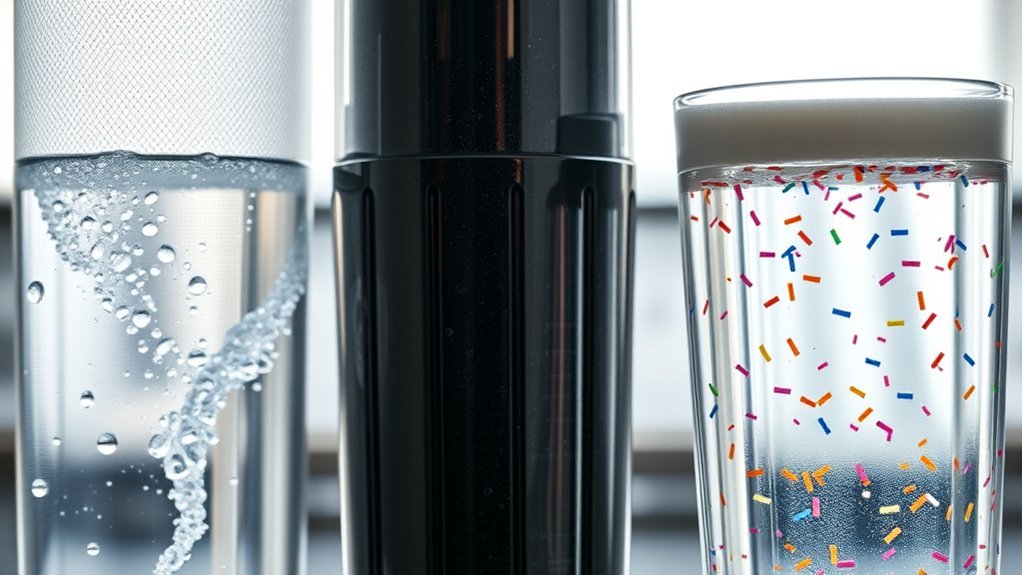
Which filter type best suits your microplastic removal needs depends on several key factors including pore size, material composition, and operational conditions. You’ll find that membrane filters offer precise microplastics metrics due to their uniform pore sizes, effectively capturing particles down to a few microns. However, they often require higher pressure and frequent maintenance.
Sand and multimedia filters handle larger volumes but miss smaller microplastics, reflecting a clear filtration tradeoff between efficiency and throughput. Ceramic filters provide durability and chemical resistance but may involve higher costs.
When comparing filter types, consider these tradeoffs alongside your specific water quality and flow requirements. Evaluating these parameters helps you select a filter that balances effective microplastic removal with practical operational performance.
Using Activated Carbon Filters to Reduce Microplastics
Why consider activated carbon filters for microplastic removal? Activated carbon filters excel at adsorbing organic compounds and some microplastics due to their porous structure. When you use these filters, microscopic plastic particles adhere to the carbon surface, effectively reducing microplastic content in water.
However, mineral buildup can impair filter efficiency over time, so you must implement regular maintenance routines to sustain performance. Flushing or replacing the carbon media according to manufacturer guidelines prevents clogging and maintains adsorption capacity.
Keep in mind, activated carbon filters primarily target organic contaminants and certain microplastics, making them a complementary solution rather than a standalone method. By understanding their operational limits and upkeep requirements, you can optimize how these filters contribute to microplastic reduction in your water treatment process.
How Reverse Osmosis Filters Remove Microplastics
When you need to remove microplastics with high precision, reverse osmosis (RO) filters provide an effective solution. RO employs a semipermeable membrane that blocks particles larger than 0.0001 microns, effectively capturing microplastics. This two word discussion idea, “reverse osmosis,” highlights its ability to filter contaminants beyond standard filtration.
You force water through the membrane under pressure, separating microplastics and other pollutants.
| Feature | Description |
|---|---|
| Membrane Pore Size | ~0.0001 microns, blocks microplastics |
| Pressure Requirement | High pressure (40-80 psi) needed |
| Filtration Efficiency | Removes >99% of microplastics |
| Water Waste Ratio | Typically 3:1 (waste to purified) |
| Maintenance | Regular membrane replacement required |
This precise filtration makes RO a leading choice for microplastic removal.
Do UV and Ceramic Filters Remove Microplastics?
How effectively do UV and ceramic filters tackle microplastics in water? UV filters primarily neutralize biological contaminants through irradiation but do not physically remove microplastics contaminants.
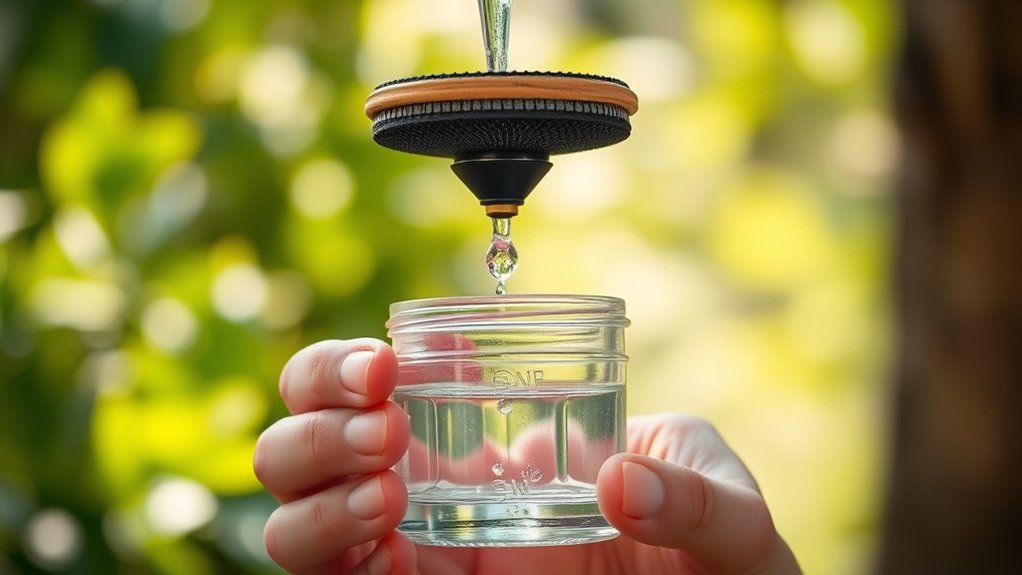
Ceramic filters, however, rely on a microporous structure capable of trapping particles, including many microplastics, depending on pore size.
In your two-word discussion ideas—filtration efficiency and filter maintenance—ceramic filters demand regular cleaning to prevent clogging and maintain performance, while UV units require periodic lamp replacement and cleaning to ensure effective disinfection.
Neither technology alone guarantees comprehensive microplastics removal; combining ceramic filtration with other methods often yields better results. When selecting your filtration system, consider microplastics particle size and system upkeep requirements to optimize contaminant reduction and long-term functionality.
DIY Ways to Reduce Microplastics in Your Water
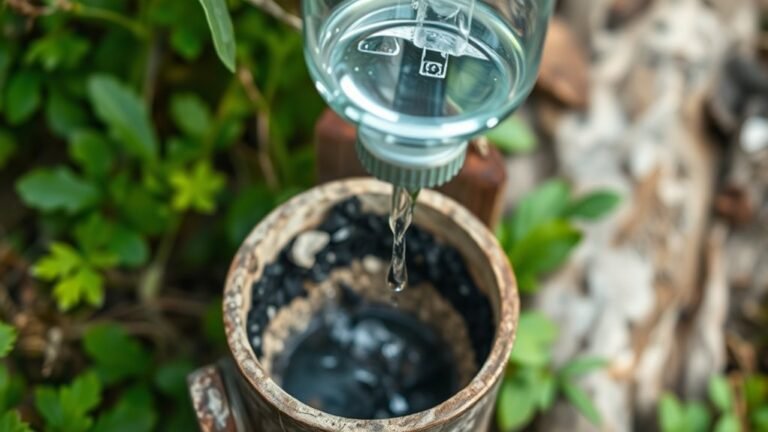
Implementing DIY methods can notably reduce microplastic content in your water by targeting contaminants at the source or through accessible filtration techniques. You can construct simple filters using activated carbon and fine mesh materials to trap microplastics effectively.
Additionally, washing synthetic textiles in a microfiber-catching bag or filter helps minimize microplastic shedding during laundry, addressing microplastics ethics by reducing environmental release. You should also consider using sediment filters that capture larger particles before water reaches your main filtration system.
Taking these steps reflects consumer responsibility, emphasizing your role in mitigating microplastic pollution. Regular maintenance of DIY filters ensures optimal performance, preventing microplastic accumulation.
Frequently Asked Questions
Can Microplastics Affect the Taste of My Drinking Water?
Yes, microplastics can cause taste implications in your drinking water. Their presence may result in a subtle flavor impact due to chemical additives or pollutants adhering to the particles.
This can potentially alter the water’s sensory profile.
Are Bottled Water Brands Tested for Microplastic Contamination?
You shouldn’t assume bottled water brands undergo thorough unfiltered testing for microplastics; many lack brand transparency. Independent studies reveal inconsistencies, so critically evaluate reports before trusting claims about microplastic contamination levels in bottled water.
How Often Should Microplastic Filters Be Replaced?
You should follow replacement schedules based on filter material degradation, typically every 3 to 6 months. Monitoring flow rate and filtration efficiency helps you determine the prime time to replace microplastic filters for consistent performance.
Do Microplastics Pose Risks to Pets Drinking Filtered Water?
Microplastics pose potential peril to pets, presenting filtered water risks. You should understand that even minimal microplastic contamination might impact your pet’s health.
Regularly monitoring filtration effectiveness is essential to minimize harmful exposure.
Can Microplastics Accumulate in Home Water Storage Tanks?
Yes, microplastics accumulation can occur in home water storage tanks due to water source contamination and tank material degradation.
Regular monitoring and maintenance help minimize this buildup, ensuring safer water quality for household use.
Conclusion
Filtering microplastics from water requires a layered approach, combining coarse filters, activated carbon, and advanced methods like reverse osmosis. Each stage targets particles of varying sizes, ensuring thorough removal.
Remember, maintaining your system is like tuning a fine instrument—regular upkeep preserves efficiency and prevents contamination. By understanding filter capabilities and limitations, you can effectively reduce microplastic presence.
Safeguarding your water quality with precision and reliability depends on a clear strategy for filtering microplastics from water.