What Temp Should a Freezer Be
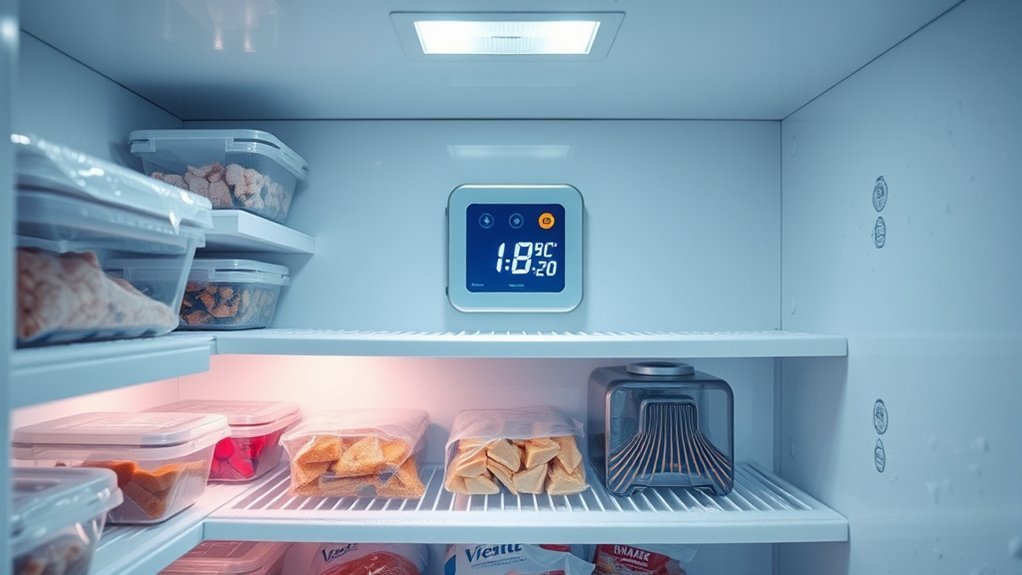
You might think setting your freezer to the coldest possible temperature keeps food safest, but that’s not always true. Knowing what temp should a freezer be is key to maintaining food quality and safety. The ideal temperature balances safety, texture, and energy use, which means knowing exactly where to set your freezer.
Getting this wrong can lead to faster spoilage or wasted energy. Understanding the right temperature and how it affects your food is essential before you make any adjustments.
Key Takeaways
- The ideal freezer temperature is 0°F (-18°C) to ensure food safety and freshness.
- Temperatures above 0°F increase spoilage risk and bacterial growth.
- Excessively cold freezers cause energy waste, frost buildup, and reduced efficiency.
- Use an appliance thermometer inside the freezer for 24 hours to check temperature accuracy.
- Regularly calibrate the thermostat and inspect door seals to maintain stable, safe freezer conditions.
What Is the Ideal Temperature for a Home Freezer?
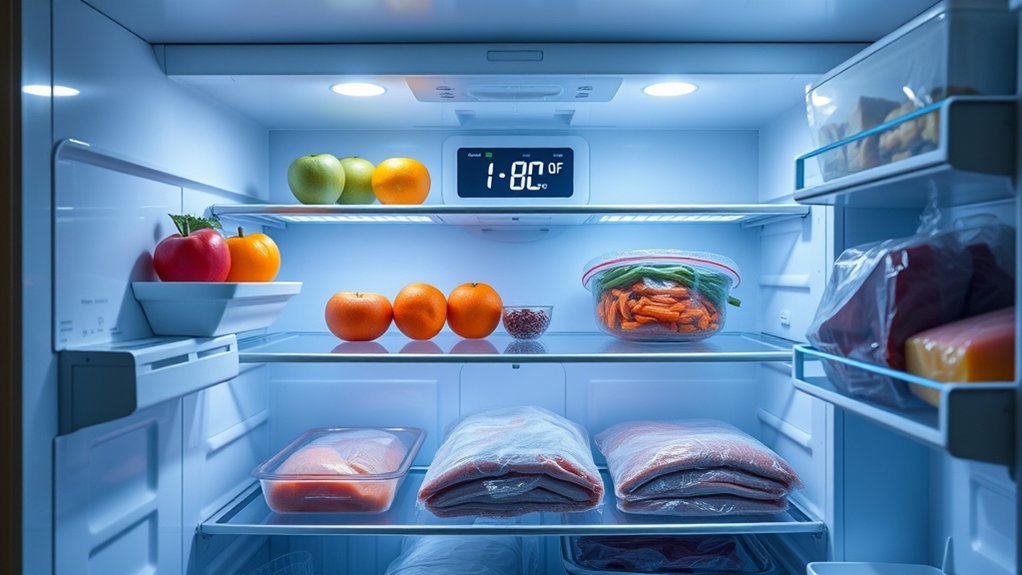
Why does the temperature in your home freezer matter? Maintaining the correct temperature ensures your food stays safe and fresh longer. The ideal temperature for a home freezer is 0°F (-18°C).
Setting your freezer too warm risks spoilage, while too cold wastes energy. Proper freezer calibration is key. Regularly check and adjust the thermostat to keep it at this level.
Accurate calibration not only preserves food quality but also maximizes energy efficiency, lowering your utility bills. If you notice frost buildup or inconsistent cooling, recalibrate or service your freezer.
What Are the Best Freezer Temperatures for Different Foods?
How should you adjust your freezer’s temperature to best preserve different types of food? Generally, set your freezer to 0°F (-18°C), which suits most items like meat, vegetables, and prepared meals. However, for delicate items such as ice cream, a slightly lower temperature around -10°F (-23°C) helps maintain texture.
When freezing fruits or bread, 0°F is ideal to prevent spoilage while avoiding freezer burn. To optimize storage, practice freezer organization by grouping similar foods and using clear containers. Labeling efficiency is key. Mark packages with contents and freezing dates to monitor freshness easily.
Adjust your freezer’s temperature based on the primary foods stored, but keep it consistently cold enough to maintain safety and quality. Proper organization and labeling streamline access and reduce temperature fluctuations.
Why Does Freezer Temperature Affect Food Safety and Taste?
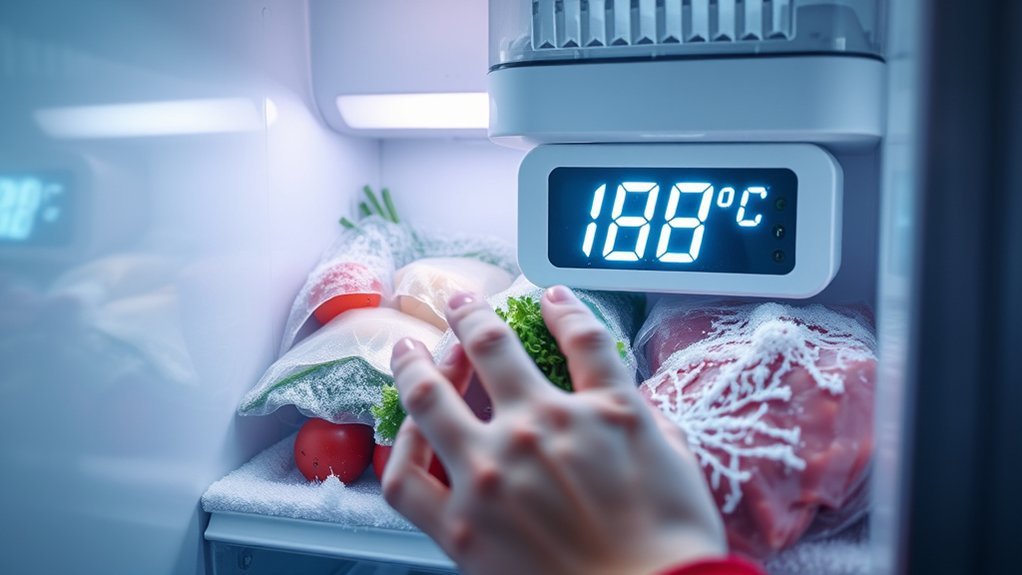
When you set your freezer to the right temperature, you directly impact both the safety and taste of your food. Maintaining temperature stability prevents harmful bacteria from growing, ensuring your food stays safe to eat.
Consistent cold also preserves texture and flavor by slowing enzymatic reactions and moisture loss. Besides food quality, stable freezer temperatures improve energy efficiency by reducing the compressor’s workload.
Consider these effects:
- Ice crystals forming in thawed food, damaging texture
- Slow spoilage due to inhibited bacterial growth
- Retained freshness and aroma over time
What Happens If Your Freezer Is Too Warm or Too Cold?
If your freezer is too warm, your food may thaw partially, increasing the risk of bacterial growth and spoilage.
On the other hand, extremely cold temperatures can cause freezer burn, damaging texture and flavor. Understanding these risks helps you maintain both food safety and quality.
Effects Of Warm Temperatures
Why does maintaining the correct freezer temperature matter so much? When your freezer runs too warm, it causes temperature fluctuations that compromise food safety and quality. You risk spoilage as bacteria can grow faster above 0°F (-18°C).
Plus, inconsistent cold forces your freezer to work harder, reducing energy efficiency and increasing costs.
You might notice:
- Frost buildup melting and refreezing, damaging food texture
- Ice cream turning grainy from partial thawing
- Meat losing its firmness and flavor due to slow spoilage
Keeping your freezer at the ideal temperature prevents these issues, ensures food stays safe longer, and helps your appliance run efficiently. Avoid letting warm temperatures sneak in to protect your groceries and save energy.
Risks Of Extreme Cold
How cold should your freezer really be? While keeping it below 0°F (-18°C) ensures food preservation, setting it too cold can cause problems. Extreme cold leads to frost buildup, which reduces storage space and blocks air vents, impairing airflow and cooling efficiency.
This buildup forces the freezer to work harder, increasing energy consumption and wear on components. Additionally, some foods can suffer texture changes or freezer burn in excessively low temperatures, affecting quality.
To avoid these risks, maintain your freezer’s temperature near the recommended level, typically around 0°F. Regularly defrost and clean the freezer to prevent frost accumulation. By balancing coldness properly, you keep your freezer efficient and protect your food’s quality without the drawbacks of extreme cold.
Food Safety Concerns
Maintaining the right freezer temperature goes beyond energy efficiency and frost prevention. It directly affects the safety and quality of your food. If your freezer is too warm, bacteria can multiply, compromising safe handling and leading to foodborne illnesses.
Conversely, a freezer that’s too cold can cause freezer burn, affecting texture and taste. Proper labeling of foods helps you track storage times and prevents keeping items past their safe use period.
Here’s what you risk with improper freezer temperatures:
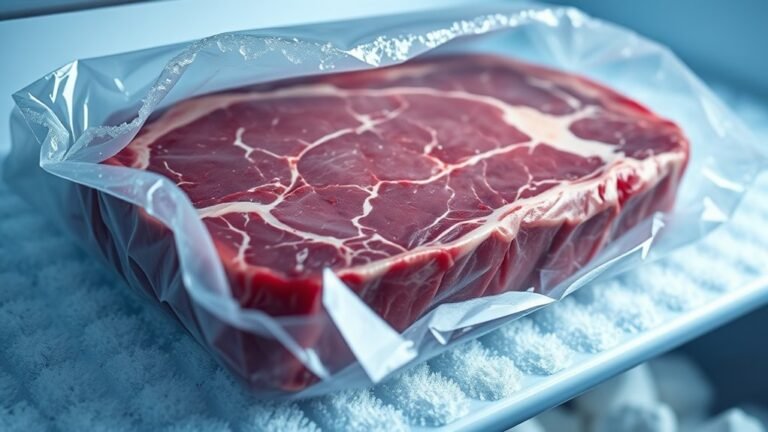
- Bacterial growth in partially thawed meat
- Freezer burn on exposed surfaces of frozen produce
- Nutrient loss and texture degradation in frozen meals
Keeping your freezer at 0°F (-18°C) ensures optimal food preservation and safety.
How to Check and Adjust Your Freezer Temperature
Although many people assume their freezer is always at the correct temperature, it’s important to check it regularly to ensure food safety and optimal preservation. Start by placing an appliance thermometer inside the freezer for at least 24 hours to get an accurate reading.
The ideal temperature is 0°F (-18°C). If your freezer isn’t at this temperature, adjust the thermostat according to the manufacturer’s instructions.
Besides temperature, verify the door gasket integrity; a damaged or loose gasket can cause cold air to escape, affecting temperature stability. Regular freezer calibration ensures your unit maintains the correct setting over time.
If you notice temperature fluctuations despite adjustments, consider having a technician inspect your freezer to maintain optimal performance and keep your food safe.
Tips to Keep Your Freezer Temperature Steady and Efficient
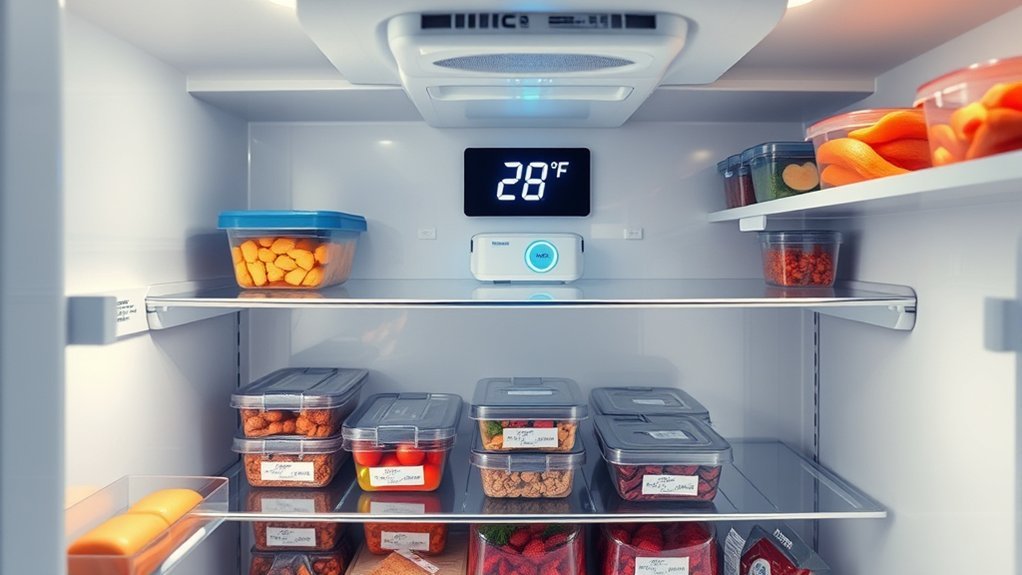
You’ll want to place your freezer in a cool, well-ventilated spot away from heat sources to maintain a steady temperature.
Regular maintenance, like cleaning coils and checking door seals, helps your freezer run efficiently. These simple steps guarantee your freezer stays at the right temperature without wasting energy.
Optimal Freezer Placement
Where you place your freezer considerably affects how well it keeps a steady temperature. Proper placement considerations help maintain energy efficiency and prevent temperature fluctuations. Avoid spots near heat sources like ovens or direct sunlight, as they force the freezer to work harder.
Instead, choose a cool, dry, and well-ventilated area. Also, make sure there’s adequate space around the freezer for air circulation, which keeps the compressor running smoothly.
Consider these placement tips:
- Position away from windows or heaters to avoid heat exposure
- Leave at least 3 inches of clearance on all sides for ventilation
- Place on a level surface to maintain proper door sealing
Regular Maintenance Practices
Proper placement sets the foundation for maintaining your freezer’s temperature, but regular maintenance guarantees it stays efficient over time. You should defrost your freezer monthly to prevent ice buildup, clean the door seals to ensure a tight closure, and check the thermostat regularly.
Comparing brands can help you identify features that simplify maintenance, such as frost-free technology. Familiarize yourself with glossary terms like “energy efficiency” and “defrost cycle” to better understand your freezer’s operation.
| Maintenance Task | Purpose |
|---|---|
| Defrosting | Prevent ice buildup |
| Cleaning seals | Maintain airtight closure |
| Checking thermostat | Ensure accurate temperature |
| Inspecting vents | Promote proper airflow |
| Comparing brands | Find ease of maintenance |
Following these steps keeps your freezer steady and efficient.
How Often Should You Monitor and Maintain Freezer Temperature?
How frequently should you check your freezer’s temperature to ensure ideal food safety? You should monitor freezer temperature at least once a week to catch any deviations early. Consistent monitoring frequency helps maintain the proper environment, preventing spoilage and bacterial growth.
Check your freezer temperature weekly to ensure food safety and prevent spoilage.
Use reliable calibration methods, like comparing your thermometer to a known accurate device regularly, to ensure readings are precise.
In addition to weekly checks, you should:
- Inspect door seals and hinges for tight closure
- Clean condenser coils to optimize cooling efficiency
- Verify the thermostat setting matches recommended temperatures
Top Freezer Temperature Myths and Common Mistakes to Avoid
Regularly monitoring your freezer’s temperature helps maintain safe storage conditions, but misconceptions about ideal freezer settings can still lead to mistakes. One common freezer myth is that colder always means better; setting your freezer below 0°F (-18°C) doesn’t improve food safety and wastes energy.
Another temperature myth is believing freezer temperature doesn’t fluctuate. Door openings and ambient temperature affect it, so checking regularly is essential. Avoid overpacking your freezer; it restricts airflow and causes uneven cooling.
Also, don’t rely solely on the built-in thermostat without verifying accuracy with an appliance thermometer. Understanding these temperature myths prevents you from improperly setting your freezer, ensuring your food stays safely frozen while optimizing energy use and appliance longevity.
Frequently Asked Questions
How Does Freezer Temperature Impact Energy Consumption?
You’ll find that higher freezer temperatures reduce energy consumption, improving temperature efficiency.
Keeping it too cold wastes power, so you should optimize energy by setting your freezer to the ideal temperature for energy optimization.
Can Freezer Temperature Affect Appliance Lifespan?
Imagine your freezer as a marathon runner. Pushing too hard shortens its race.
Setting extreme temps strains its motor, cutting freezer lifespan and hiking energy impact. Keep temps steady to guarantee longevity and efficiency.
What Is the Best Freezer Temperature for Storing Ice Cream?
You should keep your freezer at around -20°F (-29°C) for ice cream. This temperature ensures ice cream stays firm and maintains temperature stability, preventing ice crystals and preserving its creamy texture and flavor longer.
How Do Commercial Freezers Differ in Temperature Settings?
Commercial freezers commonly cool colder than residential ones, balancing modern climate controls with compressor noise levels. You’ll find they maintain temperatures near -10°F to -20°F, ensuring consistent cold for bulk storage without excessive sound disruption.
Are There Smart Freezers With Automatic Temperature Control?
Yes, you’ll find smart freezers with a smart thermostat that automatically adjusts temperatures. They often include humidity control, helping maintain optimal conditions for your food.
This ensures freshness and energy efficiency without constant manual adjustments.
Conclusion
Think of your freezer as a fortress guarding your food’s freshness and safety. Keeping it at the ideal 0°F (-18°C) is like setting the perfect defense—too warm, and enemies like bacteria sneak in; too cold, and energy gets wasted like an overzealous guard.
By regularly checking and maintaining your freezer’s temperature, you ensure your food stays secure and tasty. This also helps keep your energy bills in check.
Stay vigilant, and your freezer will serve you well. Remember, knowing what temp should a freezer be is key to preserving your food effectively.