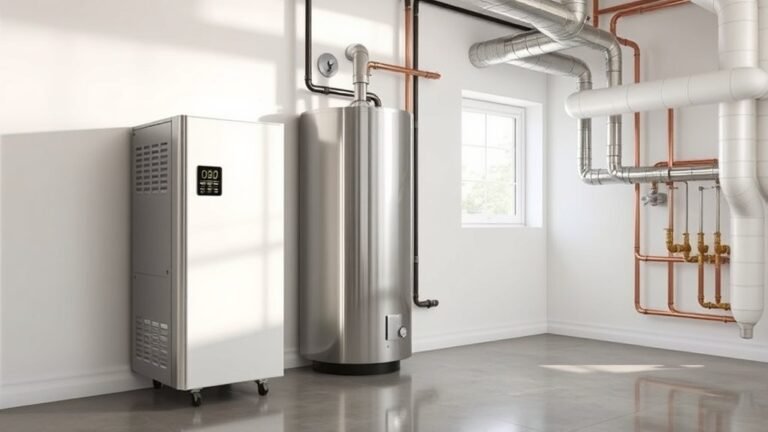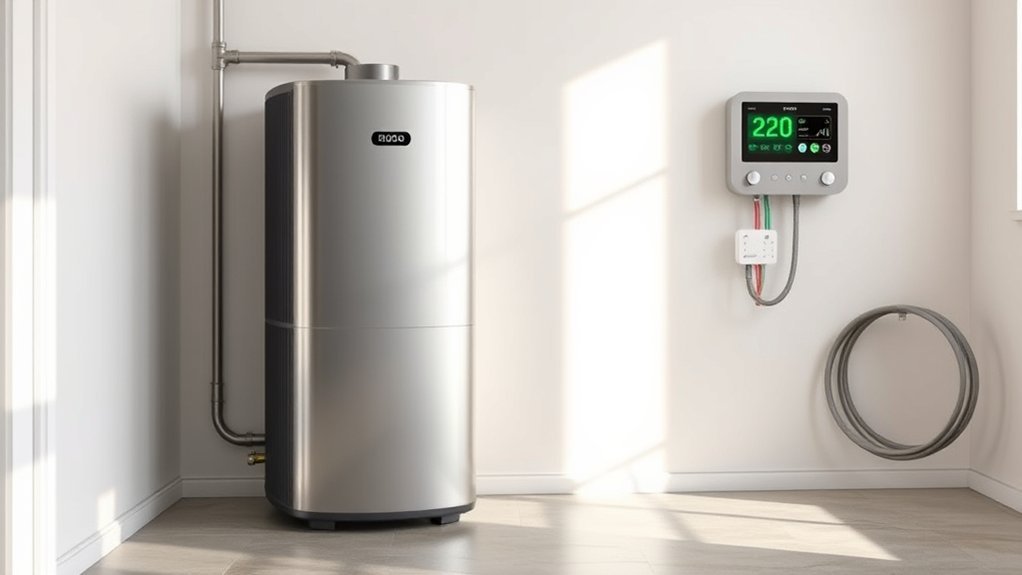
Are Heat Pump Hot Water Tanks Worth It
Think of a heat pump hot water tank as a smart engine that harvests invisible energy from the air to warm your water efficiently. Heat pump hot water tanks are designed to use less electricity compared to traditional water heaters, making them an energy-efficient choice for many households.
You might assume the upfront cost outweighs the benefits, but the real question is how much you can save over time and whether your home’s setup supports it. Before deciding, it’s essential to understand how these systems truly compare to traditional heaters and what factors influence their performance.
Key Takeaways
- Heat pump hot water tanks use 50-60% less energy than traditional heaters, leading to significant long-term savings despite higher upfront costs.
- Typical payback periods range from 3 to 7 years, with a 30-60% return on investment after 10 years.
- They operate best in temperate or coastal climates, with reduced efficiency in very cold or glacier-like environments.
- Installation requires professional expertise, adequate space, and ventilation to ensure optimal performance and maintenance access.
- Environmental benefits include lower carbon emissions and quieter operation, aligning with sustainable energy goals.
How Heat Pump Hot Water Tanks Actually Work
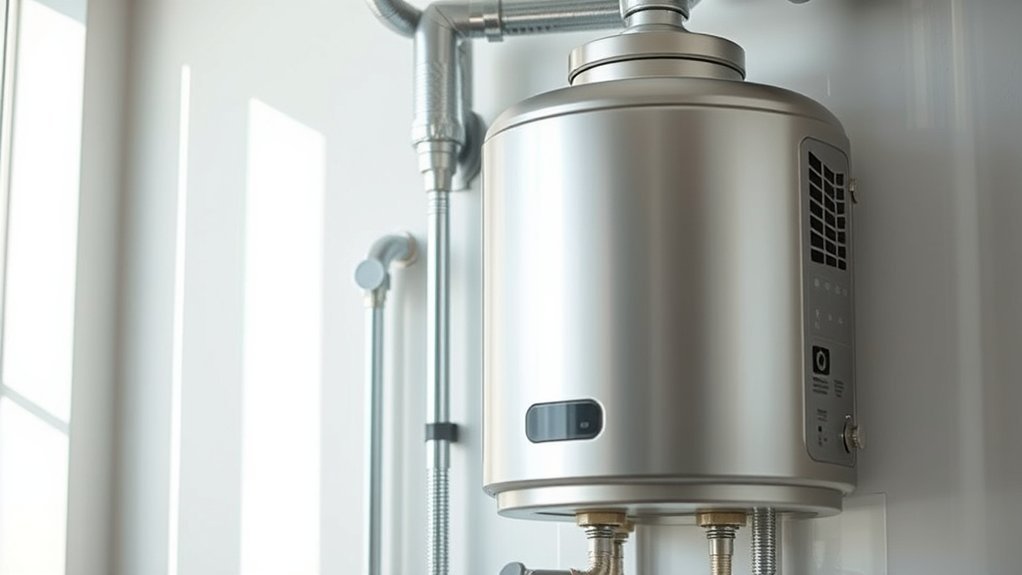
How exactly do heat pump hot water tanks operate to deliver efficient heating? You’ll find that these systems extract ambient heat from the surrounding air using a refrigeration cycle powered by electricity.
A smart thermostat precisely controls the compressor, optimizing energy use by adjusting heating based on your household’s demand patterns. The refrigerant absorbs heat and transfers it to the water without direct combustion, making the process highly efficient.
However, you need to watch for a refrigerant leak; even a small one drastically reduces performance and can damage the system. By understanding this mechanism, you can appreciate how heat pumps minimize electricity consumption while maintaining consistent hot water supply, making them a technically sound choice for sustainable home heating.
Comparing Heat Pump Tanks to Traditional Water Heaters
You’ll notice heat pump tanks use substantially less energy than traditional water heaters, which can lower your utility bills over time. However, installation and maintenance costs tend to be higher, so it’s important to weigh upfront expenses against long-term savings.
Understanding these factors will help you decide which option fits your needs best.
Energy Efficiency Comparison
Although traditional water heaters have long been the standard, heat pump hot water tanks deliver markedly higher energy efficiency by extracting ambient heat rather than generating it directly. This approach reduces electricity consumption significantly, aligning with progressive energy policy goals targeting carbon footprint reduction.
When assessing energy efficiency, consider that heat pump units typically achieve coefficients of performance (COP) between 2.5 and 4.0, meaning they produce 2.5 to 4 times more heat energy than the electrical energy they consume. In contrast, conventional electric resistance heaters have a COP near 1.
Furthermore, heat pump water tanks optimize water storage by maintaining temperature with minimal standby losses. By integrating these systems, you not only lower operational costs but also support sustainable energy frameworks, making heat pump tanks a superior, energy-efficient alternative to traditional water heaters.
Installation and Maintenance Costs
What factors influence the upfront and ongoing costs when choosing between heat pump hot water tanks and traditional water heaters? Installation complexity plays a key role: heat pump tanks require space for airflow and often professional expertise, raising initial expenses compared to simpler traditional units.
Maintenance costs also differ; heat pumps need periodic filter cleaning and refrigerant checks, while traditional heaters generally demand less frequent upkeep. Ignoring these specifics can lead to irrelevant topic distractions or off topic discussion, like focusing solely on brand popularity instead of cost analysis.
Ultimately, while heat pump tanks might cost more upfront, their energy savings and longer lifespan often offset higher installation and maintenance expenses. You should weigh these factors carefully to determine if the investment aligns with your budget and long-term goals.
How Climate and Location Affect Heat Pump Tank Performance
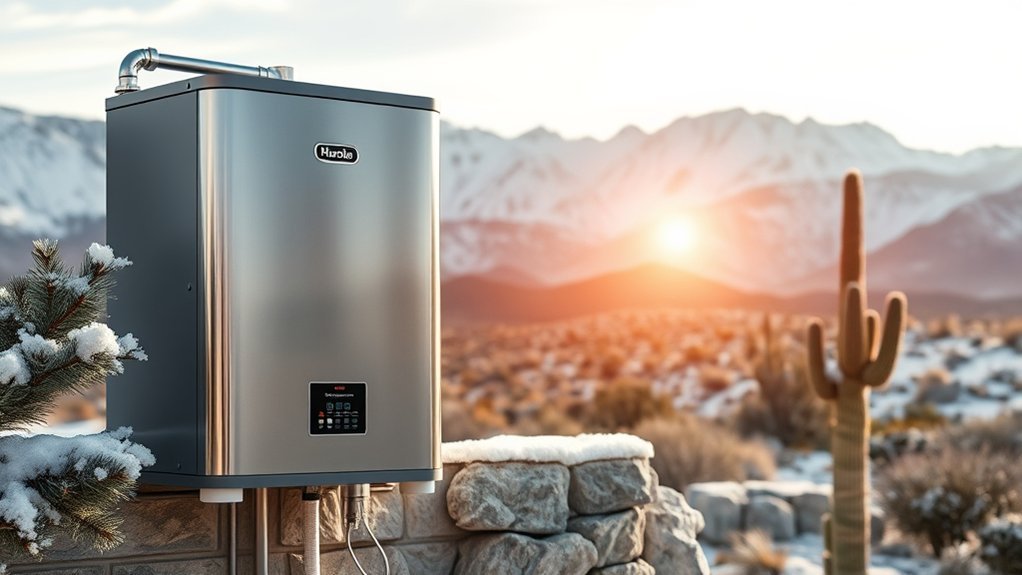
How does climate impact the efficiency of heat pump hot water tanks? Your tank’s performance heavily depends on local conditions.
In glacier climate zones, the cold ambient air reduces heat pump efficiency, requiring more energy to maintain water temperature. Conversely, coastal humidity can enhance efficiency by providing moist air, which transfers heat more effectively.
| Climate Condition | Impact on Heat Pump Performance |
|---|---|
| Glacier Climate | Lower efficiency; increased energy use |
| Coastal Humidity | Higher efficiency; better heat transfer |
| Temperate Climate | Optimal efficiency; balanced performance |
Understanding your location’s climate helps you predict performance and make informed decisions about investing in heat pump hot water tanks.
Energy Savings With Heat Pump Hot Water Tanks
Why should you consider a heat pump hot water tank for your energy savings? Unlike traditional electric or gas water heaters, heat pump tanks transfer heat from the surrounding air, consuming substantially less electricity. This efficiency can reduce your water heating energy use by up to 60%, directly cutting your utility bills.
While some might bring up an unrelated topic like solar panels or an off topic idea such as smart home gadgets, these don’t address water heating efficiency as effectively. Heat pump tanks optimize energy use by leveraging ambient heat, making them a technically superior and analytically sound choice for reducing consumption.
If you want to maximize energy savings without venturing into unrelated or off topic solutions, a heat pump hot water tank is a clear, data-driven strategy.
Costs, Savings, and ROI of Heat Pump Tanks
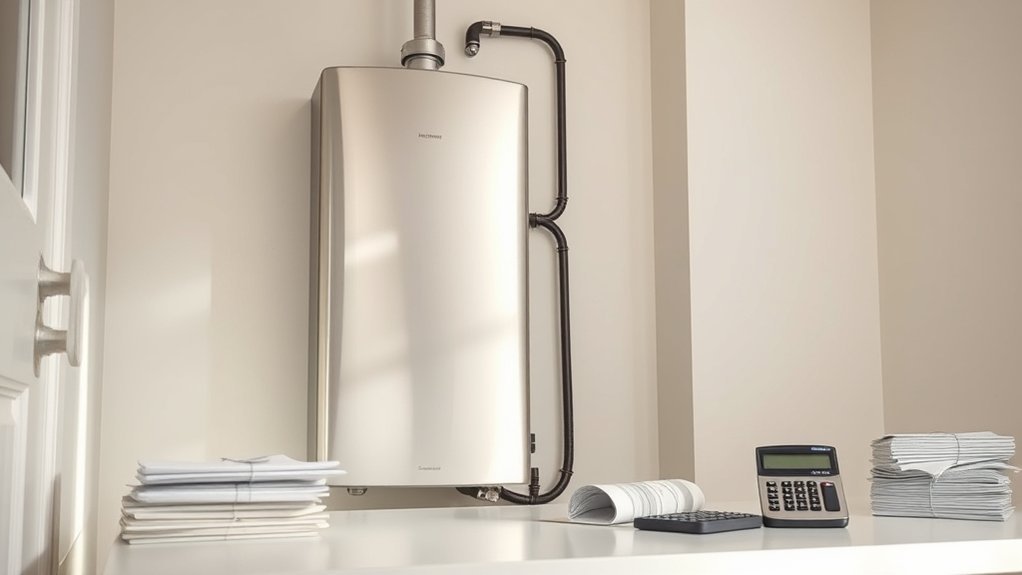
You’ll need to weigh the upfront cost of installing a heat pump hot water tank against the energy savings it delivers over time. Calculating the payback period helps you determine when your investment starts generating real returns.
Initial Investment Analysis
When evaluating the initial investment of heat pump hot water tanks, the focus should be on the balance between upfront costs and long-term savings. You need to consider purchase price, installation complexity, and potential rebates, which often offset initial expenses.
Unlike unrelated topics that might distract this analysis, stay focused on quantifiable financial factors. Heat pump tanks typically cost more upfront compared to conventional units, but you’ll gain value through reduced maintenance and energy expenses over time.
Incorporate discussion ideas around payback periods and return on investment (ROI) to assess financial feasibility effectively. By scrutinizing these metrics, you’ll determine if the upfront investment aligns with your budget and goals, ensuring that your decision is both economical and strategically sound.
Energy Savings Potential
Frequently, energy savings become the decisive factor in choosing heat pump hot water tanks over conventional models. You’ll find these systems use significantly less electricity by extracting ambient heat, translating into lower utility bills.
When evaluating costs, don’t get distracted by irrelevant topics like unrelated theme comparisons that don’t affect operational efficiency. Instead, focus on quantifiable savings: heat pump tanks can reduce water heating energy consumption by 50-60%.
This efficiency directly impacts your return on investment, making these tanks financially compelling despite higher upfront costs. By analyzing your current energy usage and local electricity rates, you can project substantial long-term savings.
Ignoring this energy savings potential would overlook the primary advantage of heat pump hot water tanks, so prioritize this factor to make an informed decision.
Payback Period Estimates
How quickly can you recoup your investment in a heat pump hot water tank? Typically, the payback period ranges from 3 to 7 years, depending on upfront costs, energy savings, and local electricity rates.
Ignoring unrelated topics like general appliance costs or irrelevant concepts such as unrelated home renovations helps you focus on the real financial impact.
| Factor | Estimate |
|---|---|
| Initial Cost | $1,500 – $3,000 |
| Annual Energy Savings | $200 – $500 |
| Maintenance Cost | $50 – $100/year |
| Payback Period | 3 – 7 years |
| ROI after 10 years | 30% – 60% |
Heat Pump Tank Installation and Space Needs
Where should you place a heat pump hot water tank to maximize its efficiency and convenience? Effective space planning is essential. You’ll want to install the tank in a location with ample airflow, such as a utility room or basement, because heat pumps draw ambient air to operate efficiently.
Guarantee the area can accommodate the tank’s size and allow clearance for maintenance. Noise considerations also play a key role; heat pumps generate a gentle hum, so avoid placing the unit near bedrooms or living spaces to minimize disruption.
Additionally, positioning the tank close to your main water outlets reduces heat loss and improves system responsiveness. By carefully evaluating these factors, you’ll optimize both the performance and practicality of your heat pump hot water tank installation.
Maintaining Your Heat Pump Hot Water Tank
Why does regular maintenance matter for your heat pump hot water tank? Proper upkeep ensures optimal efficiency, prolongs lifespan, and prevents costly repairs. Don’t fall for common maintenance myths that suggest minimal intervention is needed; neglect can lead to sediment buildup and reduced heat exchange efficiency.
Effective discussion ideas include scheduling annual inspections, cleaning filters, and checking refrigerant levels to maintain peak operation. You should also monitor for unusual noises or leaks, which indicate system stress.
Who Should Buy a Heat Pump Hot Water Tank?
Maintaining your heat pump hot water tank effectively sets the stage for understanding who benefits most from investing in one. If you have moderate to high hot water usage and live in a temperate climate, you stand to gain considerably from this technology.
Don’t let analogous myths about complexity or high maintenance deter you; these concerns often stem from unrelated drawbacks present in traditional systems. If you prioritize energy efficiency and long-term cost savings, a heat pump tank aligns well with your goals.
However, if your environment consistently falls below optimal operating temperatures, or if upfront costs are a primary concern, it might be less advantageous. Ultimately, your decision should weigh specific household needs against the proven technical benefits of heat pump hot water tanks.
Environmental Benefits of Switching to Heat Pump Tanks
How much impact can switching to a heat pump hot water tank have on the environment? Quite a bit, actually. Heat pumps use ambient air to heat water, cutting electricity use by up to 60% compared to conventional electric tanks.
This reduction directly lowers carbon emissions, debunking climate myths that suggest individual appliance changes don’t matter. By choosing a heat pump tank, you actively reduce your household’s carbon footprint, contributing to broader climate goals.
While assessing environmental benefits, you should also consider noise considerations; modern units operate quietly, minimizing disturbance and making them practical for most homes. Overall, switching to a heat pump hot water tank is a smart, evidence-based step toward sustainable living that delivers tangible environmental benefits without compromising comfort.
Frequently Asked Questions
Are Heat Pump Hot Water Tanks Noisy During Operation?
You won’t find heat pump hot water tanks noisy during operation; their sound levels are minimal. Proper electrical wiring guarantees smooth function, preventing noise issues.
Can Heat Pump Tanks Be Used With Solar Water Heating Systems?
Imagine harnessing two energy giants. Yes, heat pump compatibility with solar integration exists. You can seamlessly combine them, optimizing efficiency and reducing costs.
This synergy guarantees your system maximizes renewable energy, making your hot water smarter and greener.
Do Heat Pump Hot Water Tanks Require Special Electrical Wiring?
You might need special wiring or electrical upgrades when installing a heat pump hot water tank, depending on your home’s existing setup.
It’s essential to assess your system’s capacity to guarantee safe, efficient operation without overloads.
How Long Do Heat Pump Hot Water Tanks Typically Last?
You’d think hot water longevity is infinite, but heat pump tanks typically last 10-15 years. Stick to a strict maintenance schedule to maximize efficiency and lifespan, ensuring your investment performs optimally over time.
Are There Any Rebates or Incentives for Installing Heat Pump Tanks?
You’ll often find rebate eligibility and installation incentives for heat pump hot water tanks through local utilities or government programs. These offers reduce upfront costs, making your investment more cost-effective and accelerating energy savings.
Conclusion
So, you’re wondering if a heat pump hot water tank is worth it? Sure, paying more upfront and carving out space for airflow sounds like a hassle—but who doesn’t love slashing energy bills and shrinking your carbon footprint?
With COPs soaring above traditional heaters and paybacks often under seven years, ignoring this tech might just be the real waste. The long-term savings and environmental benefits make it a smart choice.
If you want efficiency and savings, it’s time to stop hesitating and start upgrading to a heat pump hot water tank.