Are Heat Pump Hot Water Systems Any Good
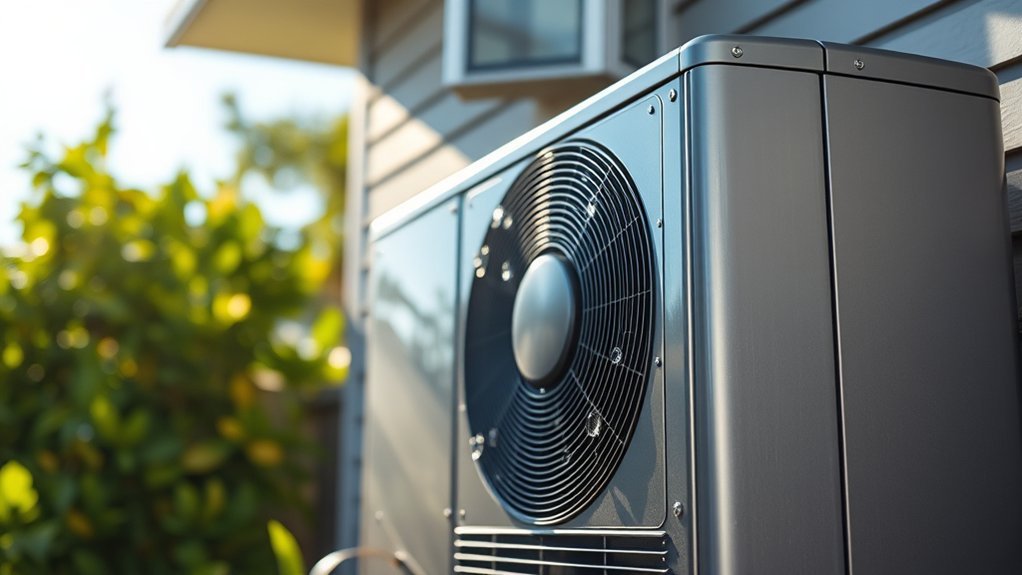
If you’re considering upgrading your hot water system, heat pump hot water systems are worth exploring for their energy efficiency and lower operating costs. These systems transfer heat from the air to water, which can substantially reduce electricity use compared to traditional heaters.
However, they also require upfront investment and specific installation conditions. Understanding how they work and their practical benefits can help you decide if this technology fits your home’s needs.
Key Takeaways
- Heat pump hot water systems are highly energy-efficient, saving significant electricity compared to traditional water heaters.
- They reduce operational costs and environmental impact through efficient heat transfer from ambient air.
- Initial installation costs are higher but provide long-term savings through lower utility bills and longer lifespan.
- Performance varies with climate; they work best in moderate temperatures and may require backup heating in cold areas.
- Proper installation and placement ensure quiet operation, optimal efficiency, and durability of the system.
Why Choose a Heat Pump Hot Water System?
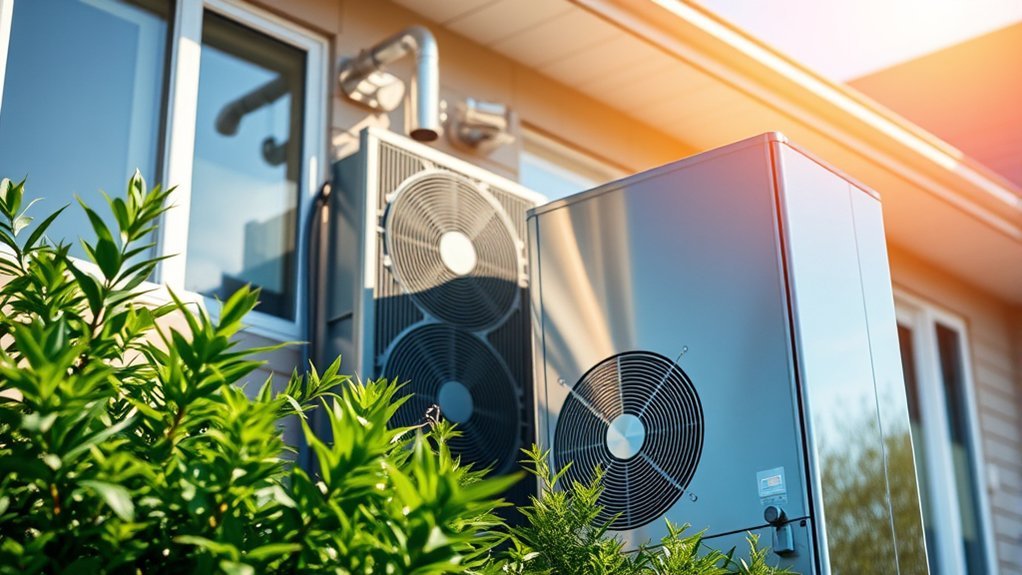
Why should you consider a heat pump hot water system over traditional options? You’ll find that these systems offer significant energy savings due to their ability to transfer heat rather than generate it directly. This results in reduced operational costs and a lower environmental footprint.
When planning your setup, prioritize efficient installation to maximize performance and minimize energy loss. Proper placement and professional fitting ensure optimal heat exchange and system longevity.
Addressing noise concerns is crucial; modern heat pump systems operate quietly, but installation location and sound insulation can further reduce any operational noise.
How Do Heat Pump Hot Water Systems Work?
How exactly does a heat pump hot water system extract and transfer heat to warm your water? It operates by capturing ambient heat from the air and transferring it efficiently to your water tank. Understanding how heat pump technology achieves this energy efficiency can clarify its functionality.
Here’s the process:
A refrigerant absorbs heat from surrounding air through an evaporator coil. The refrigerant is compressed, raising its temperature substantially. This heat is then transferred to the water in the storage tank via a heat exchanger.
Benefits and Savings You Can Expect
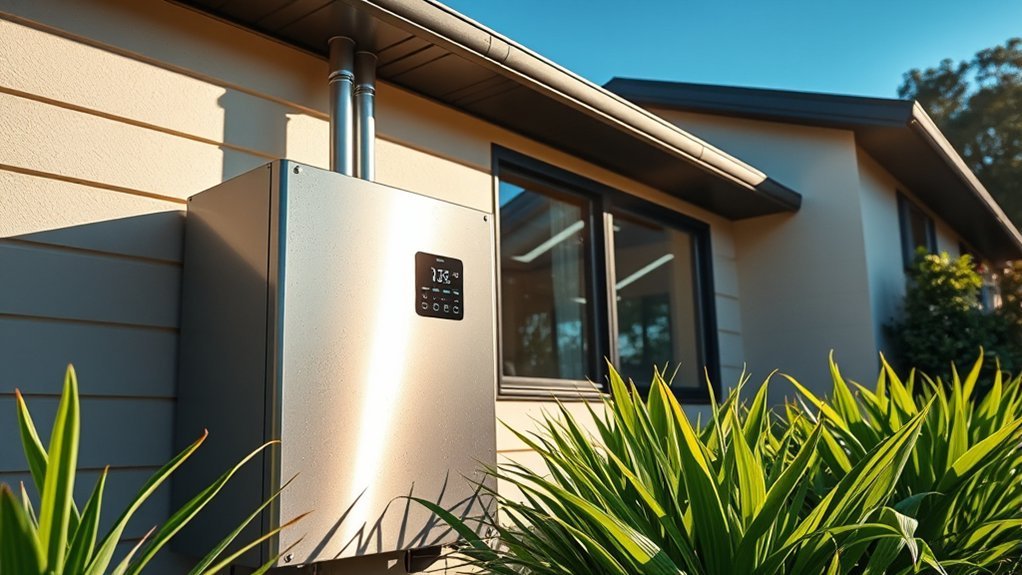
What advantages does a heat pump hot water system offer compared to traditional water heaters? Primarily, you’ll experience significant energy savings due to the system’s high efficiency in transferring heat rather than generating it directly. This translates into lower electricity consumption and reduced utility bills.
The benefits worth considering also include a longer lifespan and reduced greenhouse gas emissions, aligning with sustainability goals. Additionally, heat pump systems maintain consistent water temperatures and adapt well to varying environmental conditions, enhancing reliability.
While initial installation costs can be higher, the operational savings often offset this over time, making it a financially sound investment. Overall, by choosing a heat pump hot water system, you gain measurable benefits worth the upfront investment through ongoing energy savings and environmental impact reduction.
Drawbacks and Limitations to Consider
Although heat pump hot water systems offer many advantages, they come with certain drawbacks and limitations that you should evaluate before making a decision. Some concerns are often overstated, but it’s important to recognize real challenges, especially efficiency variability based on climate and usage patterns.
You’ll find that performance can drop in colder conditions, requiring supplemental heating. Additionally, installation complexity and upfront costs may be higher compared to conventional systems.
- Efficiency variability can affect savings and performance.
- Installation requires adequate space and proper ventilation.
- Initial investment might be substantial despite long-term benefits.
Understanding these factors will help you weigh the true impact of heat pump hot water systems without falling for exaggerated drawbacks overstated in some discussions.
Is a Heat Pump Hot Water System Right for Your Home?
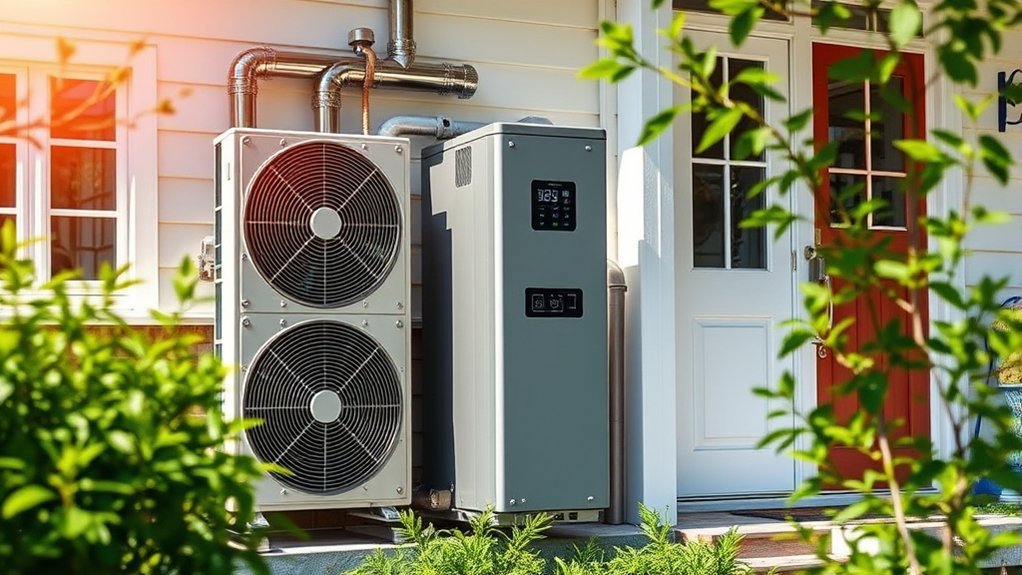
Determining whether a heat pump hot water system suits your home depends on factors like your local climate, available space, and household hot water demand. These systems excel in moderate climates and require sufficient outdoor space for installation. Your household’s hot water usage pattern also influences energy efficiency gains.
| Factor | Consideration | Impact on Suitability |
|---|---|---|
| Climate | Mild to warm preferred | Higher efficiency |
| Space Availability | Requires outdoor unit installation | Limited space may restrict use |
| Hot Water Demand | Consistent, moderate to high use | Maximizes energy efficiency |
| Initial Cost | Higher upfront investment | Long-term savings potential |
Evaluate these variables carefully to determine if a heat pump hot water system aligns with your energy efficiency goals and hot water needs.
Frequently Asked Questions
How Long Does Installation of a Heat Pump Hot Water System Take?
You can expect a fast installation of a heat pump hot water system to take around 4 to 8 hours.
Common setbacks include space constraints and electrical upgrades, which may extend the timeline slightly.
Are There Any Government Rebates or Incentives Available?
Coincidentally, you’re likely eligible for rebate eligibility through various incentive programs. You should check federal and local government sites, as these programs often support heat pump hot water systems.
This support can reduce your upfront costs considerably and improve your ROI.
What Maintenance Is Required for Heat Pump Hot Water Systems?
You’ll handle maintenance basics like cleaning filters and checking for leaks regularly. Use troubleshooting tips such as monitoring unusual noises or temperature drops to promptly address issues, ensuring your heat pump hot water system runs efficiently and reliably.
Can Heat Pump Systems Be Used in Very Cold Climates?
Yes, heat pump systems can work in cold climates, but you’ll need enhanced insulation to maintain efficiency. Properly insulating your system minimizes heat loss, ensuring reliable performance despite low ambient temperatures and preventing excessive energy consumption.
How Noisy Are Heat Pump Hot Water Systems During Operation?
The hum of a heat pump system is like a gentle breeze, rarely causing noise concerns. You’ll want to contemplate installation logistics carefully to place it where operational sounds stay unobtrusive, ensuring quiet, efficient performance throughout.
Conclusion
If you’re looking to cut energy costs, a heat pump hot water system can reduce electricity use by up to 60% compared to conventional heaters. While the upfront investment and space requirements may be considerations, the efficiency and environmental benefits often outweigh these drawbacks.
By understanding how these systems operate and evaluating your household’s hot water demand, you can make an informed decision that balances performance, savings, and sustainability effectively.
Overall, heat pump hot water systems are a smart choice for those wanting to improve energy efficiency and reduce environmental impact.