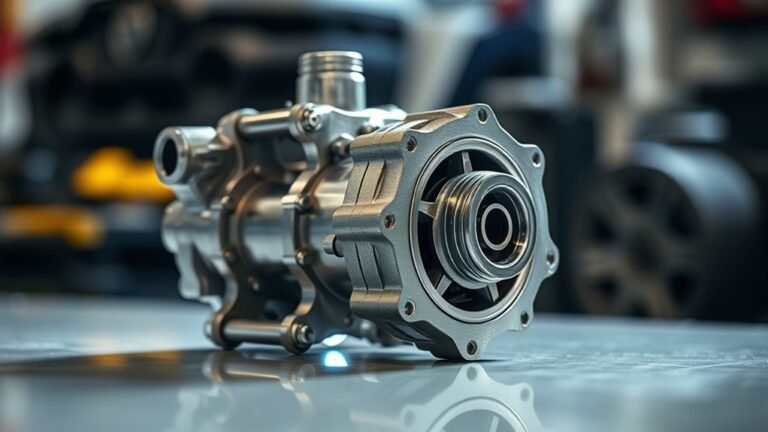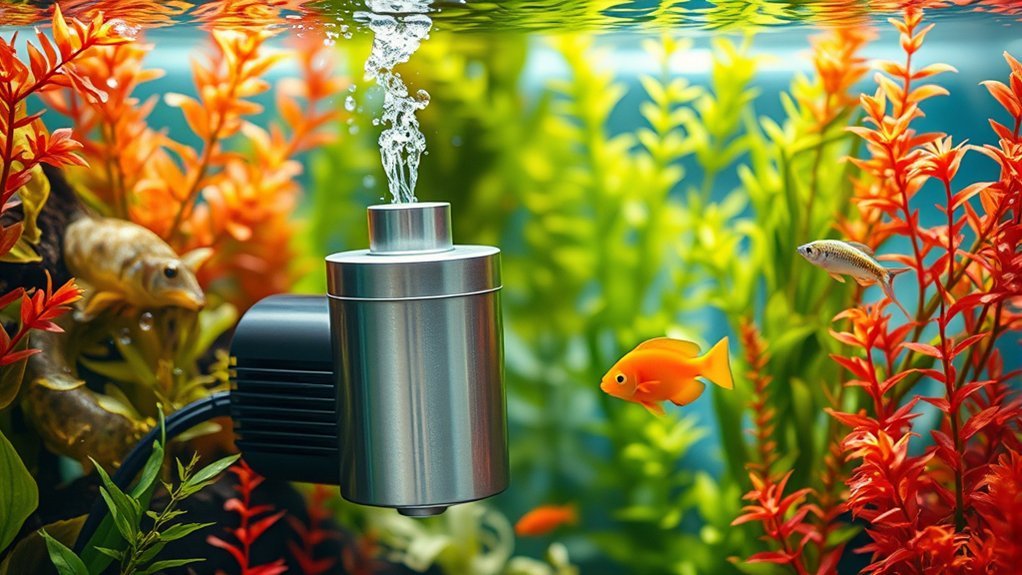
Are Fountain Water Pumps Suitable for Aquarium Use
You might assume that fountain water pumps could serve as aquarium pumps due to their strong circulation, but is that really the case?
Fountain water pumps are designed primarily for outdoor water features, which means their suitability for aquarium use is not straightforward.
While they provide impressive flow rates, their design often neglects critical factors like gentle water movement, filtration compatibility, and material durability in aquatic environments.
These aspects are crucial for maintaining a healthy and stable environment for fish and aquatic plants.
Understanding these differences is essential before deciding if a fountain pump can meet your aquarium’s specific needs or pose unintended risks.
Careful consideration will help ensure the safety and well-being of your aquatic life.
Key Takeaways
- Fountain pumps deliver high flow rates that can overwhelm and stress delicate aquarium environments.
- Materials in fountain pumps often lack corrosion resistance and may degrade in long-term aquatic use.
- Fountain pumps typically generate more noise and vibration, disrupting the tranquility needed for aquatic life.
- These pumps do not provide adequate filtration or compatibility with aquarium heaters and filters.
- While budget-friendly, fountain pumps pose safety, health, and regulatory risks when repposed for aquariums.
What to Look for in an Aquarium Pump
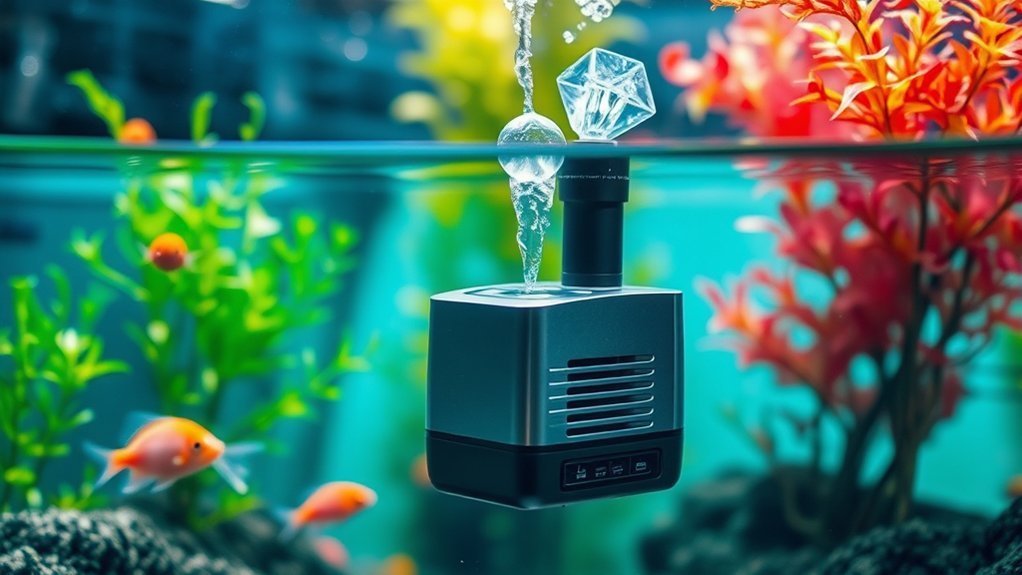
When selecting an aquarium pump, what key factors should you prioritize to ensure optimal performance? First, assess flow rate accuracy; aquarium filtration demands consistent water turnover to maintain a stable environment. You’ll want a pump that matches your tank’s volume without causing excessive turbulence.
Secondly, evaluate noise levels and energy efficiency, as these impact both your setup’s operation and electricity cost. While fountain pumps often focus on aesthetic water displays, aquarium pumps must excel in steady, reliable filtration.
Material durability and resistance to corrosion also matter since continuous water exposure can degrade inferior components. Finally, easy maintenance and compatibility with filtration systems ensure your pump supports water quality long-term.
Prioritizing these aspects helps you select a pump optimized for aquarium filtration, avoiding compromises common in fountain pumps not designed for this purpose.
How Fountain Pumps Differ From Aquarium Pumps
You’ll notice fountain pumps typically have higher flow rates designed for open water, which can overwhelm an aquarium’s delicate environment. Their materials and durability focus on outdoor exposure, often lacking the corrosion resistance needed for aquatic life.
Additionally, fountain pumps usually generate more noise and vibration, which can stress fish and disrupt the tank’s stability.
Flow Rate Differences
How do flow rates in fountain pumps compare to those in aquarium pumps? Fountain pumps typically deliver higher flow rates designed to create visible water movement and aeration, which often results in increased turbulence. This turbulence, while desirable in fountains, can stress aquatic life in an aquarium by disrupting stable water conditions.
Aquarium pumps, conversely, provide more controlled flow rates tailored to the habitat’s biological needs, minimizing excessive water movement. You’ll notice aquarium pumps emphasize laminar flow to support filtration and oxygen distribution without disturbing fish or plants.
When considering a fountain pump for aquarium use, recognize that its higher flow rate and resultant turbulence can negatively impact tank inhabitants, making it unsuitable unless modified to reduce flow intensity and turbulence to aquarium-appropriate levels.
Durability And Materials
Understanding the differences in flow rates between fountain and aquarium pumps lays the groundwork for examining their construction and longevity. Fountain pumps often prioritize aesthetic water movement over continuous operation, which influences their material selection and durability.
When you consider durability concerns, fountain pumps typically use less corrosion-resistant materials, since they’re designed for outdoor or intermittent use. Aquarium pumps, however, must maintain material compatibility with freshwater or saltwater environments, ensuring long-term resistance to chemical corrosion and biofouling.
If you try to use a fountain pump in an aquarium, you risk premature failure due to material degradation and incompatibility with aquatic life support conditions. Thus, the construction materials and their suitability play a critical role in whether a fountain pump can reliably function in an aquarium setting.
Noise And Vibration Levels
Why do noise and vibration levels matter when choosing between fountain and aquarium pumps? In an aquarium, maintaining a stable, low-stress environment is essential for aquatic life.
Fountain pumps typically generate higher noise levels and greater vibration impact due to their design for open-air water circulation. These elevated vibrations can transmit through aquarium structures, stressing fish and disrupting delicate ecosystems.
Conversely, aquarium pumps are engineered to minimize noise levels and vibration impact by using quieter motors and vibration-dampening materials. This guarantees a more stable environment for aquatic organisms.
If you prioritize a silent, vibration-free setup, fountain pumps may prove unsuitable. Understanding these differences helps you select a pump that preserves your aquarium’s tranquility and promotes the health of its inhabitants.
Pros of Using Fountain Water Pumps in Aquariums
You’ll find fountain water pumps often come at a lower cost compared to specialized aquarium pumps, making them a budget-friendly choice. Their design typically provides robust water circulation, which can enhance oxygen exchange and waste removal. This combination of affordability and efficiency makes them worth considering for certain aquarium setups.
Cost-Effective Pump Options
How can fountain water pumps offer a cost-effective solution for aquarium circulation? When you conduct a cost comparison, fountain pumps often come at a lower price point than specialized aquarium pumps, providing similar flow rates and energy efficiency.
This affordability doesn’t mean sacrificing quality; many established brands known for their reliability manufacture these pumps, ensuring durability and consistent performance. By selecting a reputable brand, you mitigate risks associated with frequent replacements or maintenance costs.
Additionally, fountain pumps typically have simpler designs, which can reduce repair expenses if issues arise. Consequently, choosing a fountain water pump allows you to balance initial investment and long-term operational costs effectively, making it a financially viable option for maintaining aquarium water movement without compromising on system reliability.
Enhanced Water Circulation
When considering water circulation in aquariums, fountain water pumps deliver efficient and consistent flow rates that enhance oxygen distribution and waste removal. You’ll notice these pumps create dynamic water movement similar to outdoor fountains, which minimizes stagnant zones and supports aquatic health.
Their design, often inspired by diy aesthetics, allows you to integrate them seamlessly into custom setups without compromising visual appeal. By maintaining uniform circulation, these pumps prevent debris accumulation and facilitate even temperature distribution.
This consistent flow also mimics natural aquatic environments, promoting better fish activity and filtration efficiency. Ultimately, using fountain water pumps improves overall system stability by ensuring that dissolved oxygen reaches all tank areas, which is critical for biological processes and maintaining water quality in your aquarium.
Cons and Risks of Fountain Pumps for Fish Tanks
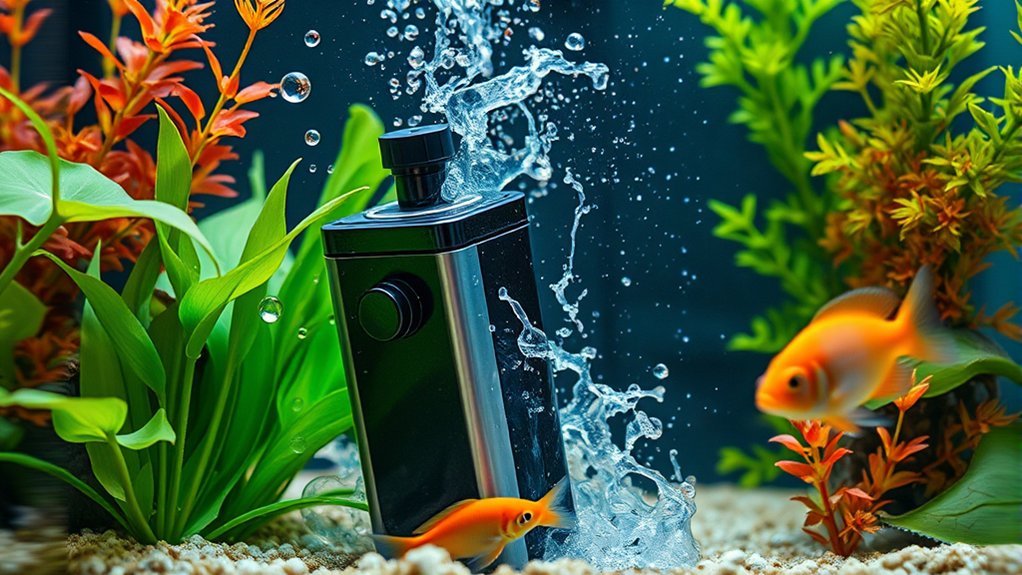
Why might fountain water pumps pose challenges in aquarium environments? Primarily, their design targets aesthetic water features, not aquatic ecosystems. You risk questionable legality if local regulations restrict pump modifications or unauthorized reuse, which can lead to penalties.
Ethical considerations arise because fountain pumps often lack adequate filtration, potentially compromising water quality essential for fish health. Additionally, these pumps may produce excessive flow rates unsuitable for many species, stressing or injuring fish.
Their materials and seals might not withstand prolonged submersion in freshwater, increasing failure likelihood. Moreover, fountain pumps typically don’t support integration with aquarium heaters or other specialized equipment, limiting environmental control.
If you use them without addressing these factors, you could endanger your fish and breach local rules, making them a problematic choice for aquariums.
Safety Considerations for Aquatic Pets and Fountain Pumps
Beyond the potential mechanical and regulatory issues, you must carefully evaluate how fountain pumps impact the safety of your aquatic pets. Fountain pumps often present safety hazards due to their design, which may not account for the delicate nature of aquatic life.
You should inspect the electrical wiring thoroughly; improper insulation or exposure to moisture can lead to short circuits or electric shocks, endangering both pets and handlers. Additionally, ensure the pump’s intake and outlet are secured to prevent fish from being trapped or injured.
The pump’s materials should be non-toxic and resistant to corrosion to avoid contaminating the water. By addressing these factors, you reduce risks and create a safer environment, ensuring your aquatic pets remain unharmed by the operational demands and electrical components of fountain pumps.
Water Flow and Circulation With Fountain Pumps
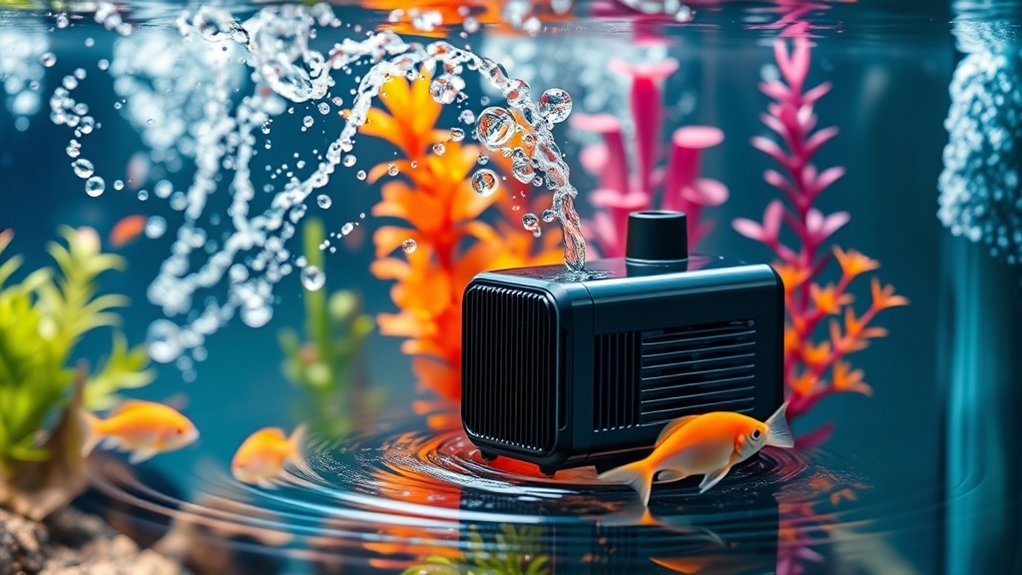
Effective water flow and circulation are critical for maintaining a healthy aquarium environment, and fountain pumps can influence these dynamics in unique ways. When you use a fountain pump, consider how it affects water movement and overall aquarium conditions.
Fountain aesthetics may enhance visual appeal but can alter circulation patterns, impacting oxygen distribution and nutrient flow. Improper flow can also contribute to localized algae growth.
To optimize water circulation with fountain pumps, you should:
- Position the pump to promote even water distribution
- Avoid creating strong currents that stress aquatic life
- Monitor flow rate to balance filtration efficiency
- Prevent stagnant zones that encourage algae growth
- Adjust pump settings to complement aquarium layout and inhabitants
Understanding these factors helps you maintain a stable, healthy aquatic environment.
Compatibility of Fountain Pumps With Aquarium Filtration
How do fountain pumps integrate with your aquarium’s existing filtration system? Typically, fountain pumps aren’t designed to work with aquarium filters, making their compatibility limited. They focus on water movement rather than biological or mechanical filtration, which is essential for aquarium health.
Ignoring this can lead to an irrelevant topic or unrelated discussion about filtration efficiency.
| Feature | Fountain Pump | Aquarium Filter |
|---|---|---|
| Primary Function | Water circulation | Mechanical/Biological filtration |
| Flow Rate Control | Limited | Adjustable |
| Debris Handling | Minimal | Designed for debris |
You’ll find fountain pumps don’t replace filtration but may assist circulation if used cautiously alongside proper aquarium filters.
Alternatives to Fountain Water Pumps for Aquarium Setups
What options do you have if a fountain water pump doesn’t meet your aquarium’s needs? Exploring alternative options allows you to enhance water circulation and filtration, tailored to your tank’s specific requirements. When evaluating these alternatives, consider pump power considerations such as flow rate, head height, and energy efficiency to ensure compatibility and effectiveness.
Key alternatives include:
- Submersible aquarium pumps: Designed for aquatic environments with precise flow control.
- Canister filters with built-in pumps: Provide both filtration and circulation efficiently.
- Air-driven sponge filters: Offer gentle water movement with biological filtration.
- External powerheads: Allow adjustable flow and directional control.
- Magnetic drive pumps: Seal-less design reduces leakage risks and enhances durability.
Each alternative addresses different pump power considerations, helping you maintain prime water quality and habitat stability.
Frequently Asked Questions
Can Fountain Pumps Be Used in Saltwater Aquariums?
You can use fountain pumps in saltwater aquariums if they offer saltwater compatibility.
Expect higher maintenance requirements and louder noise compared to marine-specific pumps, so weigh durability and noise comparison carefully before choosing.
How Do Fountain Pumps Affect Aquarium Noise Levels?
Fountain pumps typically offer quiet operation due to efficient motor design. You’ll notice reduced vibration, which minimizes noise transmission through the aquarium structure.
This helps maintain a peaceful environment for both you and your aquatic inhabitants.
Are Fountain Pumps Energy-Efficient Compared to Aquarium Pumps?
Fountain pumps aren’t typically as energy-efficient as aquarium pumps, especially for saltwater compatibility. You’ll face higher maintenance requirements due to design differences. Relying on aquarium-specific pumps ensures better efficiency and durability in your setup.
What Maintenance Is Required for Fountain Pumps in Aquariums?
Imagine your fountain pump as a car; it needs regular oil changes. For aquarium use, you must perform maintenance checks, ensuring pump compatibility with water conditions.
This helps prevent clogging and wear, and ensures optimal, safe aquatic circulation.
Can Fountain Pumps Handle Aquarium Plants and Decorations?
Fountain pump suitability depends on flow rate and design; you’ll need to ensure gentle water movement to avoid uprooting plants or damaging decorations.
Assess plant compatibility carefully, as strong currents can stress delicate aquatic vegetation and disrupt substrate stability.
Conclusion
So, sure, you can slap a fountain pump in your aquarium if you enjoy watching your fish audition for the next White Water Rapids ride. While these pumps boast robust flow and a low price tag, their turbulence, lack of filtration, and questionable safety make them more of a hazard than a help.
For a stable aquatic environment, stick to pumps designed specifically for aquariums—your fish (and your sanity) will thank you.
In conclusion, fountain water pumps are generally not suitable for aquarium use due to their unsuitability in maintaining a safe and healthy habitat.