Are Heat Pump Water Heaters Loud
Imagine standing near a humming appliance that quietly blends into the background of your home. You might wonder if that steady sound means the heat pump water heater is too loud or just working as intended. Understanding the specific noise levels of a heat pump water heater can help put your mind at ease.
Knowing what causes these sounds and how installation affects noise is important. This knowledge can help you gauge whether the noise is normal or a sign of an issue. These are details worth exploring before making any conclusions.
Key Takeaways
- Heat pump water heaters typically produce noise levels between 40 to 60 decibels, similar to a quiet office or normal conversation.
- The main noise sources are the compressor cycling and the fan’s consistent humming or whooshing sounds.
- Noise varies by model, with premium units using better insulation and mounts to reduce sound.
- Installation location and surface types significantly affect perceived noise, with confined spaces amplifying sound.
- Normal operational noises include humming and airflow whirring, while loud banging or grinding signals potential issues.
Heat Pump vs. Traditional Water Heater Noise Levels
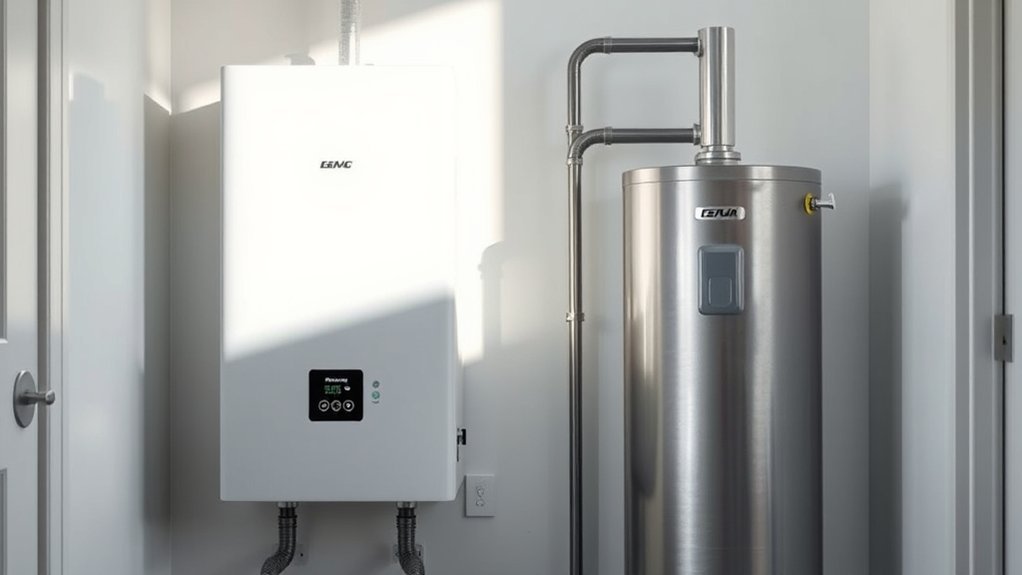
How do heat pump water heaters compare to traditional models when it comes to noise? When you perform a noise comparison, heat pump water heaters typically generate more sound due to their compressor and fan operation, unlike traditional electric or gas water heaters, which rely on simpler heating elements or burners.
However, the noise level usually remains within a tolerable range, comparable to a quiet refrigerator humming. Importantly, this noise doesn’t indicate inefficiency; in fact, heat pumps are more efficient because they transfer heat instead of generating it directly.
The efficiency impact means you gain energy savings without excessive noise. So, while you might notice a moderate noise increase, the trade-off delivers superior energy performance compared to the near-silent operation of traditional water heaters.
What Makes Heat Pump Water Heaters Noisy?
You’ll notice that most noise from heat pump water heaters comes from the compressor cycling on and off.
Additionally, the fan and airflow within the unit generate a consistent humming or whooshing sound. Understanding these mechanical sources helps explain why some models seem louder than others.
Compressor Operation Sounds
Why does your heat pump water heater produce noticeable sounds during operation? The compressor is the primary source of these noises. It compresses refrigerant to transfer heat, causing vibrations and mechanical sounds.
These sounds are not an unrelated topic or irrelevant discussion; they directly impact your unit’s noise level.
| Sound Type | Cause | Description |
|---|---|---|
| Low humming | Compressor motor running | Continuous, steady noise |
| Clicking | Compressor start/stop | Short, sharp noise |
| Vibrations | Compressor mounting | Rattling or buzzing |
| High-pitched whine | Refrigerant flow within compressor | Persistent sharp tone |
| Pulsing noise | Pressure changes during cycles | Rhythmic, fluctuating sound |
Understanding these compressor sounds helps you identify normal operation versus potential issues.
Fan and Airflow Noise
The fan inside your heat pump water heater plays an essential role in moving air across the evaporator coil, but it can also generate distinct noise during operation. Understanding this noise is crucial for effective noise comparison with other appliances and optimizing installation placement.
Three main factors influence fan and airflow noise:
- Fan Speed and Design: Higher speeds increase airflow but also elevate noise levels. Blade design affects turbulence and sound output.
- Installation Placement: Positioning the unit near walls or in confined spaces can amplify airflow noise due to reflections and restricted airflow.
- Ducting and Airflow Path: Poorly designed or obstructed ducts cause turbulence, increasing noise.
Typical Noise Levels of Heat Pump Water Heaters
How loud can a heat pump water heater get during operation? Typically, these units produce noise levels ranging from 40 to 60 decibels, comparable to a quiet office or a normal conversation. This range is generally considered acceptable for residential environments.
It’s important to avoid off topic discussion about unrelated appliances or irrelevant topic comparisons that don’t reflect the actual noise generated by heat pump water heaters. The primary noise contributors include the compressor, fan, and refrigerant flow, each operating within engineered tolerances to minimize sound.
Manufacturers often provide noise level specifications to help you assess suitability for your space. Understanding these typical noise levels can help you make an informed decision without getting distracted by irrelevant topic noise complaints or off topic anecdotal reports.
Are Heat Pump Water Heaters Noisy at Startup or Only While Running?
When do heat pump water heaters produce the most noise, only during continuous operation, or also at startup? You’ll notice that noise varies between these phases. At startup, a distinct startup hissing sound occurs as refrigerant begins circulating. During continuous operation, airflow whirring from the fan is dominant. Here’s what you can expect:
- Startup Phase: Startup hissing is brief, caused by pressure equalization in the system.
- Continuous Operation: A steady airflow whirring noise persists as the fan moves air across the evaporator.
- Compressor Activity: The compressor generates a low hum throughout both phases but is more noticeable during sustained heating cycles.
Understanding these distinct sounds can help you determine if your heat pump water heater is functioning normally or requires inspection.
How Installation Location Influences Heat Pump Water Heater Noise
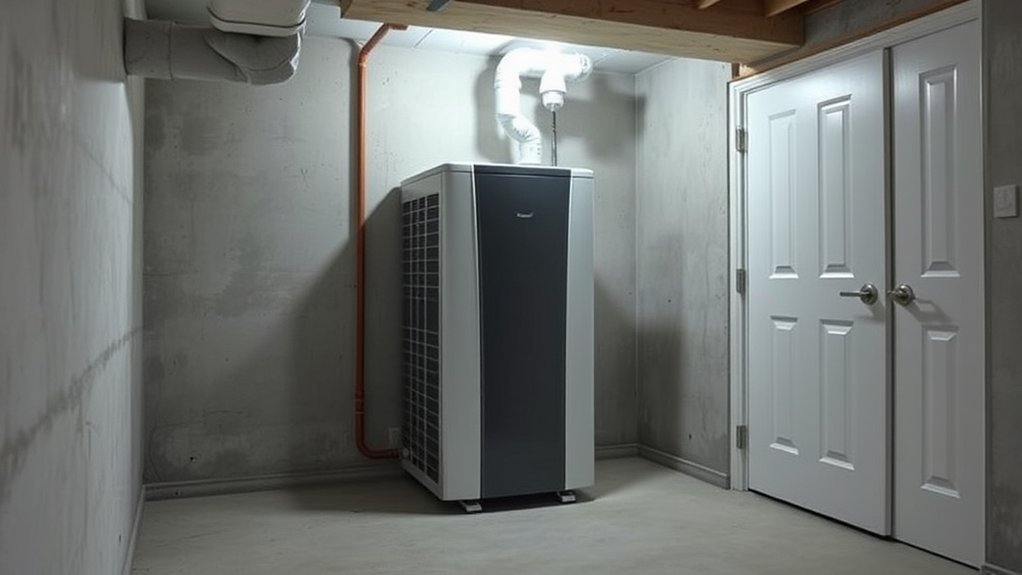
Where you place your heat pump water heater markedly affects the noise level you’ll experience. The installation location plays a critical role in sound transmission and amplification. For example, installing the unit in a confined space like a small utility closet can cause noise to reverberate, intensifying homeowner concerns about operational sound.
Conversely, placing it in a well-ventilated, isolated area, such as a garage or basement, helps dissipate noise and reduce its impact on living spaces. Additionally, surfaces surrounding the heater influence sound reflection; hard walls and floors amplify noise, while insulated or carpeted areas absorb it.
Considering these factors during installation helps you mitigate noise issues and address common homeowner concerns effectively, ensuring quieter operation tailored to your home environment.
What Parts of a Heat Pump Water Heater Are Noisiest?
Which components of a heat pump water heater generate the most noise? Understanding this helps you balance noise comparison with efficiency tradeoffs effectively. The noisiest parts include:
- Compressor: This is the primary noise source, producing a steady hum as it compresses refrigerant. Its operation is essential for efficiency but contributes significantly to sound levels.
- Fan Motor: The fan circulates air over the evaporator coil, generating a noticeable whooshing sound. Higher fan speeds improve heat exchange but increase noise.
- Water Pump (if present): Some models include a water pump that creates mechanical noise during circulation, adding to overall sound output.
How to Measure Heat Pump Water Heater Noise at Home
How can you accurately measure the noise level of your heat pump water heater at home? First, use a calibrated sound level meter or a reliable smartphone app designed for decibel measurement, ensuring it’s positioned about 3 feet from the unit, at ear height.
Take readings during typical operation, including compressor cycling, to capture realistic noise levels. Avoid distractions like conversations or background music; they introduce off-topic noise, skewing results.
Record multiple measurements at different times and average them for precision. Also, note ambient noise levels with the heater off to isolate the unit’s sound.
This method offers an objective, technical assessment of your water heater’s noise, helping you determine if it exceeds comfortable or manufacturer-specified decibel ranges.
Tips to Reduce or Muffle Heat Pump Water Heater Noise
You can reduce heat pump water heater noise by applying soundproofing installation techniques like vibration isolation pads and acoustic panels.
Regular maintenance, such as cleaning filters and tightening loose components, also minimizes operational sounds. Implementing these steps helps maintain quieter and more efficient performance.
Soundproofing Installation Techniques
Where does the noise from a heat pump water heater typically originate, and what can you do to minimize it? Most noise stems from the compressor and fan vibrations, which can affect heat pump efficiency and disrupt the refrigerant lifecycle.
To effectively soundproof your installation, follow these techniques:
- Mounting Isolation: Use vibration-damping pads or mounts beneath the unit to absorb mechanical vibrations, reducing noise transmission to walls and floors.
- Enclosure Construction: Build a soundproof enclosure with acoustic foam panels or mass-loaded vinyl to muffle operational sounds without restricting airflow, preserving refrigerant lifecycle integrity.
- Duct Insulation: Wrap intake and exhaust ducts with flexible insulation materials to minimize sound propagation while maintaining efficient air exchange.
Implementing these strategies helps reduce noise while ensuring your heat pump water heater operates optimally and maintains high heat pump efficiency.
Maintenance for Noise Reduction
Reducing noise from a heat pump water heater goes beyond soundproofing installation techniques; regular maintenance plays a key role in keeping operational sounds low. You should routinely inspect fan blades and clean debris, as dirt buildup increases noise levels. Checking refrigerant levels helps prevent compressor strain, reducing mechanical noise.
Proper lubrication of moving parts minimizes friction sounds. Also, verify mounting brackets and vibration isolators to lessen noise transmission caused by installation impact.
Here’s a noise comparison of maintenance tasks:
| Maintenance Task | Noise Reduction Impact |
|---|---|
| Fan blade cleaning | Moderate |
| Refrigerant level check | High |
| Lubrication of parts | Moderate |
| Mounting bracket tightening | High |
| Vibration isolator check | High |
Consistent upkeep ensures quieter operation and offsets installation impact noise.
How Different Models Affect Heat Pump Water Heater Noise
How do different heat pump water heater models influence the noise levels you experience? The variation primarily stems from distinct noise sources and vibration patterns inherent to each design. When evaluating models, consider these factors:
- Compressor Type: Scroll compressors typically generate less noise and smoother vibration patterns compared to reciprocating compressors, reducing overall noise source intensity.
- Fan Design: Models with variable-speed fans adjust airflow quietly, minimizing abrupt noise spikes often found in fixed-speed alternatives.
- Insulation and Mounting: Advanced insulation materials and vibration-damping mounts in premium models effectively isolate and absorb mechanical noise, lessening sound transmission.
How to Tell If Your Heat Pump Water Heater Noise Means Trouble
You need to distinguish normal operating sounds from unusual noises that indicate mechanical issues in your heat pump water heater. Common noises like humming or faint clicking are typically harmless, but loud banging, grinding, or continuous rattling can signal a problem.
If you notice these troubling sounds, it’s important to contact a technician promptly to prevent further damage.
Identifying Unusual Sounds
When does the noise from your heat pump water heater indicate a problem? Unusual sounds often signal mechanical or installation issues that need immediate attention to avoid voiding warranty exclusions.
First, check the heater mounting. Loose or improperly secured units produce rattling or vibrating noises. Second, listen for grinding or squealing sounds; these usually point to motor or compressor malfunctions requiring professional inspection.
Third, be alert to hissing or popping noises, which could indicate refrigerant leaks or sediment buildup inside the tank. Identifying these noises early helps you address faults before they escalate, ensuring your system operates efficiently and stays within warranty terms.
If you notice any of these sounds, it’s best to consult a technician rather than ignore potential damage.
Normal Operating Noises
Not every sound from your heat pump water heater signals a malfunction. Understanding normal operating noises helps you differentiate between harmless sounds and those requiring attention. Noise perception varies depending on unit design and retrofit considerations, so getting familiar with typical sounds is essential.
| Noise Type | Source | Description |
|---|---|---|
| Humming | Compressor | Steady, low frequency during operation |
| Clicking | Relays/Switches | Brief, intermittent as components engage |
| Airflow Whirring | Fan Motor | Continuous, varies with fan speed |
| Water Flow | Internal Plumbing | Gentle gurgle or trickle during heating |
Recognizing these sounds ensures you won’t mistake normal function for faults, improving maintenance decisions and overall system reliability.
When To Call Technician
How can you determine if the noises from your heat pump water heater indicate a malfunction? Start with a noise comparison. If sounds are louder or sharper than usual, it’s a red flag. Installation impact also matters; improper placement can amplify vibrations or cause unusual noises.
Here are three signs to call a technician:
- Persistent rattling or banging noises that don’t subside after adjustments.
- Hissing or gurgling sounds accompanied by performance drops.
- Sudden changes in noise frequency or volume following recent installation or maintenance.
If you notice any of these, don’t ignore them. Early professional assessment prevents costly damage and ensures optimal operation. Regular noise comparison against baseline sounds helps identify issues linked to installation impact or internal component failures.
Frequently Asked Questions
How Long Do Heat Pump Water Heaters Typically Last?
You can expect a heat pump lifespan of about 10 to 15 years, depending on maintenance frequency. Regularly checking filters and coils helps you extend its efficiency and durability, ensuring peak performance throughout its service life.
Are Heat Pump Water Heaters Energy Efficient?
You’ll enjoy up to 60% energy saving benefits with heat pump water heaters, thanks to their efficient heat transfer.
Plus, their low noise considerations ensure quiet operation, making them both energy-smart and user-friendly for your home.
What Is the Average Installation Cost of a Heat Pump Water Heater?
You’ll typically spend $2,500 to $4,500 installing a heat pump water heater. Despite its quiet operation, noise comparison to traditional units can vary.
Installation complexity and location influence the overall cost markedly.
Can Heat Pump Water Heaters Work in Cold Climates?
Yes, heat pump water heaters can work in cold climates, but their efficiency drops as heat pump noise may increase due to harder operation. You’ll want models designed for cold climate viability to ensure reliable performance.
Do Heat Pump Water Heaters Require Regular Maintenance?
Yes, heat pump water heaters require regular maintenance. You’ll want to follow maintenance tips like cleaning filters and checking refrigerant levels.
Also, monitor noise considerations to ensure the unit operates quietly and efficiently.
Conclusion
So, are heat pump water heaters loud? Generally, no—they operate quietly between 40 to 60 decibels, which is similar to the noise level of a quiet office. You might hear a brief hiss at startup or a low hum during operation.
Proper installation and regular maintenance help keep noise levels manageable. However, if your unit sounds unusually loud, it’s worth investigating potential issues.
With the right setup, your heat pump water heater should provide efficient, quiet performance without disrupting your home. Overall, heat pump water heaters are designed to be quiet and unobtrusive.