Do Brita Water Filters Filter Fluoride
If you think Brita water filters filter fluoride from your tap water, you might want to reconsider. While Brita filters are effective at improving taste and reducing chlorine, they don’t effectively remove fluoride ions.
Understanding why requires looking at the filter’s design and its media. These filters primarily target contaminants like chlorine and some heavy metals, but fluoride requires specialized filtration methods.
Before you decide on your next water filter, it’s important to explore which options truly address fluoride removal and what that means for your water quality.
Key Takeaways
- Brita filters primarily use activated carbon and ion-exchange resin, which do not effectively remove fluoride from water.
- Fluoride ions pass through Brita filters mostly unchanged due to their small size and chemical properties.
- Studies show Brita filters have minimal to no impact on reducing fluoride levels in tap water.
- Brita filters mainly improve taste, odor, and reduce chlorine and some heavy metals, not fluoride.
- For fluoride removal, technologies like reverse osmosis or activated alumina are recommended over Brita filters.
Do Brita Water Filters Remove Fluoride?

How effective are Brita water filters at removing fluoride? You’ll find that Brita filters primarily use activated carbon and ion-exchange resin, which are effective at reducing chlorine, taste, and odor but not specifically designed to remove fluoride.
Studies show there’s minimal fluoride interaction with these filter media, meaning fluoride passes through largely unchanged. If you’re concerned about fluoride removal, Brita filters won’t meet your needs since they lack the specialized filtration, like reverse osmosis or activated alumina, required for effective fluoride reduction.
Additionally, because fluoride doesn’t significantly interact with the filter materials, filter longevity remains unaffected by fluoride presence. In summary, Brita filters don’t effectively remove fluoride, so you should consider alternative filtration systems if fluoride reduction is your goal.
How Brita Filters Improve Water Quality
Brita filters enhance water quality by targeting common contaminants such as chlorine, lead, and particulates through activated carbon and ion-exchange resin. When you use a Brita filter, you benefit from a proven filtration approach that improves taste and odor while reducing harmful impurities.
Brita filters improve water quality by removing chlorine, lead, and particulates for better taste and safety.
Understanding the Brita lifecycle helps you maximize filtration efficiency and maintain water safety.
Here’s how Brita filters improve water quality:
- Activated carbon adsorbs chlorine and organic compounds, reducing unpleasant taste and smell.
- Ion-exchange resin captures heavy metals like lead, lowering toxic exposure.
- Particulate filtration traps sediment, preventing debris in your drinking water.
It’s important to separate these benefits from fluoride myths, as Brita’s design doesn’t specifically target fluoride removal but still significantly enhances overall water quality.
Why Brita Filters Can’t Remove Fluoride
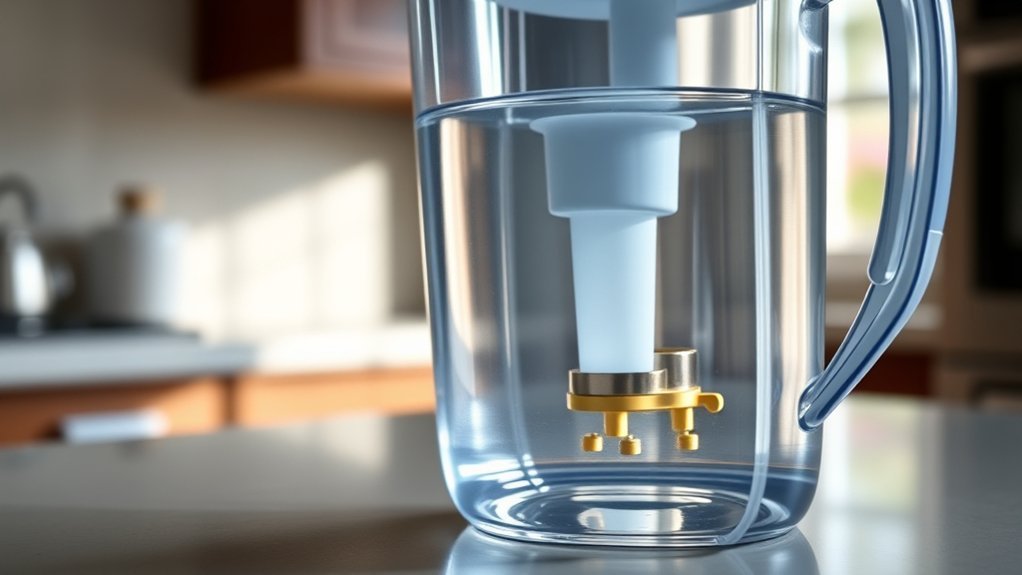
Why can’t standard household water filters remove fluoride effectively? The answer lies in the chemical properties of fluoride ions and the filter media used. Brita filters primarily rely on activated carbon and ion exchange resins designed to reduce chlorine, sediment, and certain heavy metals, but these materials lack the specific adsorption capacity needed to capture fluoride ions.
The fluoride controversy has heightened public interest, yet scientific studies consistently show that typical pitcher filters don’t significantly lower fluoride concentrations. Filter effectiveness depends on the interaction between contaminants and filter materials. Fluoride’s small ionic size and strong bonds make it resistant to removal by general filtration methods.
Therefore, you shouldn’t expect Brita filters to address fluoride concerns despite their proven performance on other water quality aspects.
Which Filters Actually Remove Fluoride From Water
Which water filtration methods can effectively reduce fluoride levels in your drinking water? Not all filters remove fluoride equally, so it’s crucial to understand which technologies provide genuine removal. Scientific studies show these three methods are most effective:
- Reverse Osmosis (RO): This method forces water through a semipermeable membrane, removing up to 95% of fluoride and various contaminants.
- Activated Alumina Filters: These filters adsorb fluoride ions efficiently, especially when the water pH is between 5.5 and 6.5.
- Distillation Systems: By boiling water and condensing the steam, distillers remove fluoride along with other dissolved solids.
Standard carbon filters, like those in Brita pitchers, don’t remove fluoride effectively. When evaluating water filtration options, focus on proven fluoride removal capabilities rather than general contaminant reduction.
How To Choose The Best Fluoride Filter For Your Home
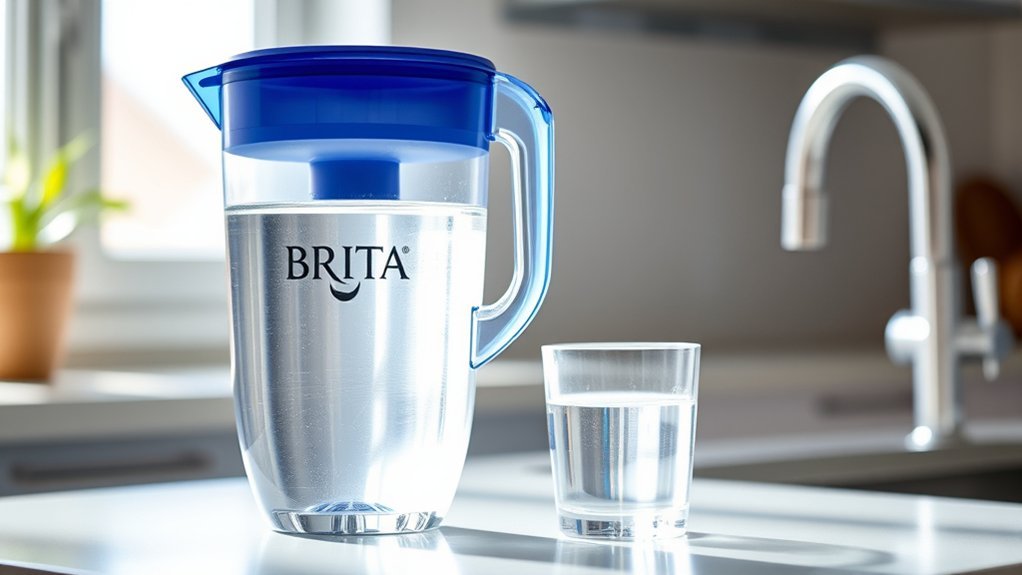
Understanding the effectiveness of various filtration technologies sets the foundation for selecting the right solution to reduce fluoride in your home water supply. You’ll want to evaluate filtration effectiveness, cost, and maintenance.
Consider fluoride alternatives like activated alumina, reverse osmosis, and bone char filters, as Brita filters don’t remove fluoride.
| Filter Type | Fluoride Removal Efficiency |
|---|---|
| Reverse Osmosis | 85-95% |
| Activated Alumina | 80-90% |
| Bone Char | 70-90% |
Once you understand these options, assess your water’s fluoride concentration and budget. Reverse osmosis typically offers the highest removal rate but requires more maintenance.
Activated alumina is effective and cost-efficient but demands regular replacement. Bone char is natural but less common. Balancing these factors ensures you choose the best filter tailored to your household’s needs.
Frequently Asked Questions
How Often Should I Replace My Brita Filter?
You should follow Brita’s replacement schedule, changing filters every 40 gallons or about every two months.
Regular maintenance tips include rinsing the filter and avoiding exposure to extreme temperatures to ensure optimal performance and water quality.
Are Brita Filters Safe for Baby Formula Preparation?
You wouldn’t want anything less than perfection for baby formula safety. Brita fluoride concerns arise since their filters don’t remove fluoride, so while generally safe, you should consider fluoride levels before using Brita-filtered water for baby formula.
Can Brita Filters Remove Chlorine Taste and Odor?
Yes, Brita filters effectively reduce chlorine taste and odor. Their activated carbon technology adsorbs chlorine compounds, improving water’s flavor and smell.
This evidence-based odor removal enhances overall drinking water quality for users like you.
Do Brita Filters Reduce Heavy Metals Like Lead?
Yes, Brita filters reduce heavy metals like lead by using activated carbon and ion-exchange resin. If you have lead concerns, Brita offers certified filters proven to lower lead levels effectively in your drinking water.
Is Filtered Water From Brita Safe for Plants?
You’ll find that Brita-filtered water is generally safe for plants because it maintains disinfectant efficacy without harsh chemicals, helping preserve plant nutrient balance.
Still, always monitor your plants’ response to ensure optimal growth conditions.
Conclusion
If you’re hoping to reduce fluoride, relying on a Brita filter is like using a sieve to catch sand—it just won’t do the job. Brita pitchers effectively improve taste and remove chlorine but don’t target fluoride ions.
For genuine fluoride reduction, you’ll need specialized systems like reverse osmosis or activated alumina. Consider your budget, maintenance, and water waste before choosing.
In conclusion, Brita water filters do not filter fluoride, so it’s important to select the right filtration method if fluoride removal is your goal.