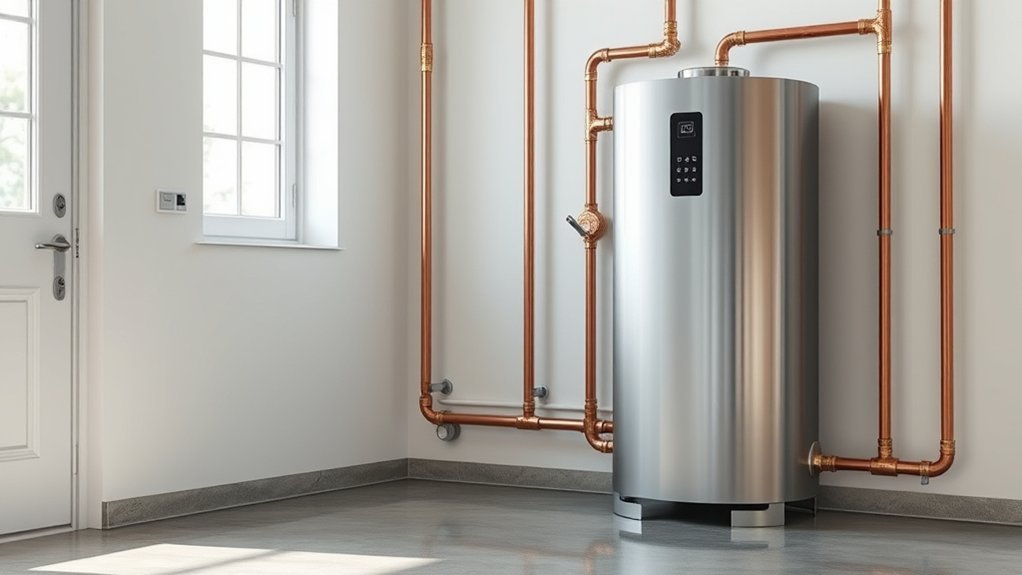
Are Heat Pump Water Heaters Any Good
If you’re considering an upgrade, heat pump water heaters are worth exploring because they could cut your electricity use by 50 to 70 percent compared to traditional electric models. This efficiency comes from their coefficient of performance (COP) of 2.5 to 3.5.
They extract heat efficiently from the surrounding air, making them a smart energy-saving option. However, their effectiveness depends heavily on climate and installation conditions.
Before deciding, it’s important to weigh their benefits against potential limitations and costs. Understanding these factors will help you make an informed choice about whether a heat pump water heater is right for your home.
Key Takeaways
- Heat pump water heaters use ambient air heat, offering 50–70% electricity savings compared to conventional electric heaters.
- They have high efficiency with a COP typically between 2.0 and 3.5, making them cost-effective over time.
- Ideal for moderate climates with ambient temperatures above 40°F and require well-ventilated spaces for optimal performance.
- Higher upfront costs and noise during operation are common downsides, but energy savings and durability offset these concerns.
- Smart controls and integration with smart grids enhance energy management and support grid stability.
How Do Heat Pump Water Heaters Work?
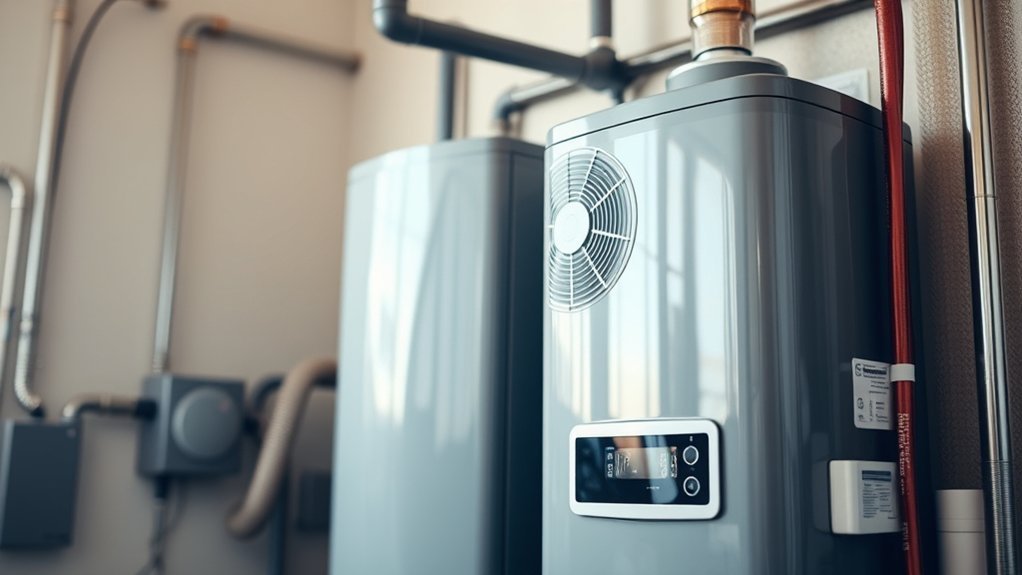
How exactly do heat pump water heaters operate? You’ll find that how heat pumps function hinges on a fundamental principle: energy transfer. Instead of generating heat directly, these systems extract thermal energy from the surrounding air.
Heat pump water heaters work by transferring heat from the surrounding air, not by generating heat directly.
A refrigerant circulates through the heat pump’s evaporator coil, absorbing ambient heat and evaporating into gas. This gas then compresses, raising its temperature significantly. Next, the hot gas passes through a condenser coil, transferring its heat to the water stored in the tank.
After releasing heat, the refrigerant condenses back to liquid and cycles again. This continuous energy transfer from air to water makes heat pump water heaters markedly more efficient than conventional electric resistance heaters, typically achieving a coefficient of performance (COP) between 2.5 and 3.5.
You’ll appreciate their technical precision in maximizing heat extraction with minimal electricity.
What Are the Main Benefits of Heat Pump Water Heaters?
Understanding the energy transfer process behind heat pump water heaters highlights why they stand out in efficiency and performance. By extracting ambient heat rather than generating it directly, they deliver significant energy savings and reduce carbon footprints, making them eco friendly.
Here are the main benefits you can expect:
- Energy Efficiency: They use 60-70% less electricity than conventional electric heaters, cutting utility costs substantially.
- Eco Friendly Operation: Reduced greenhouse gas emissions align with sustainable living goals.
- Smart Controls: Advanced thermostats and connectivity enable precise temperature regulation and remote management.
- Longevity and Reliability: Components designed for durability ensure a longer service life compared to traditional models.
These features collectively offer you a cost-effective, environmentally responsible water heating solution with enhanced control and performance.
What Are the Downsides of Heat Pump Water Heaters?
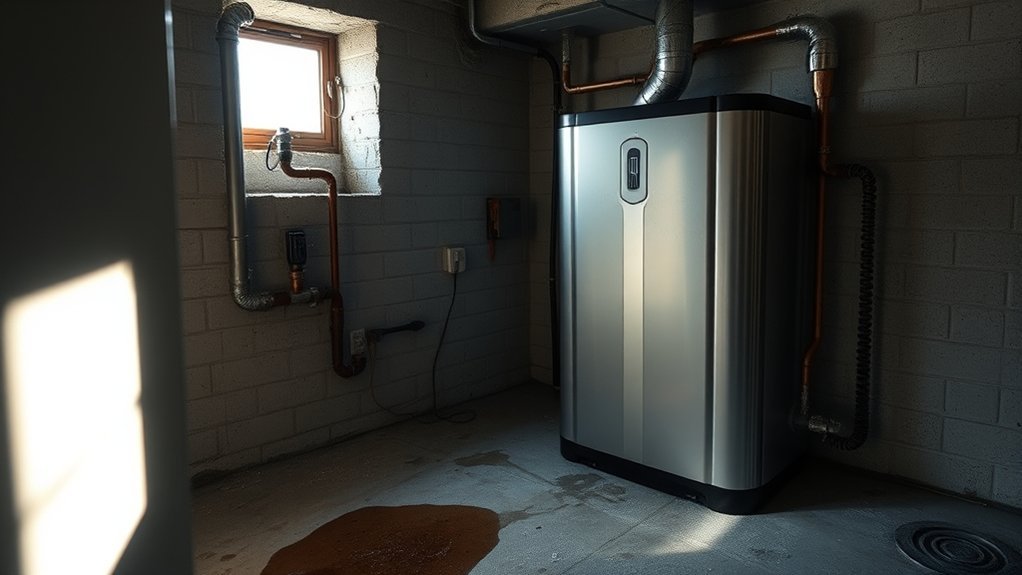
Why might heat pump water heaters not be the ideal choice for everyone? One significant downside is upfront costs; these units typically cost 2 to 3 times more than conventional electric water heaters, which can deter budget-conscious buyers.
Additionally, heat pump water heaters generate noise during operation, often around 50 decibels, comparable to a quiet office, making them less suitable for installation in bedrooms or living spaces. Their efficiency also drops in colder environments since they rely on ambient heat, potentially requiring backup electric heating that increases energy use.
Moreover, installation demands more space and specific conditions, such as well-ventilated areas with ambient temperatures above 40°F. While these downsides don’t negate their benefits, you should weigh noise levels, upfront costs, and environmental factors before deciding.
How Do Heat Pump Water Heaters Compare to Traditional Models?
When comparing heat pump water heaters to traditional electric or gas models, you’ll find significant differences in energy efficiency and operating costs. Heat pumps use ambient air to transfer heat, which drastically lowers energy consumption.
- Energy Efficiency: Heat pumps achieve a coefficient of performance (COP) of 2.5–3.5, meaning they produce 2.5–3.5 units of heat per unit of electricity used, unlike electric resistance heaters with a COP of 1.
- Operating Costs: Reduced electricity use translates to 50–60% lower utility bills.
- Air Quality: Heat pumps improve indoor air circulation by drawing in and filtering ambient air, unlike combustion models that risk indoor pollutants.
- Noise Impact: Heat pumps generate moderate operational noise (around 50 dB), quieter than many gas burners but louder than standard electric units.
Which Homes Are Best Suited for Heat Pump Water Heaters?
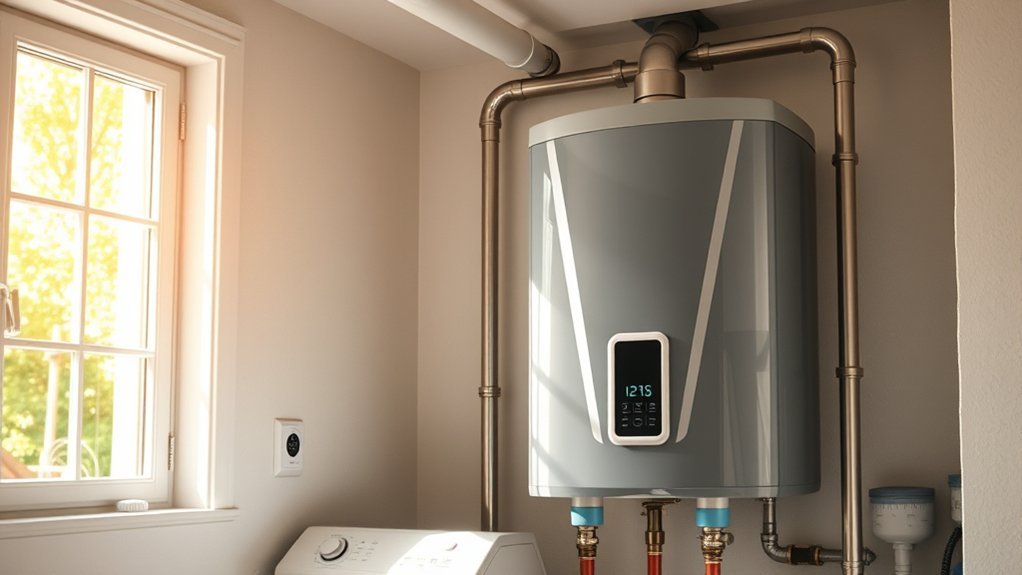
You’ll want to consider your local climate since heat pump water heaters perform optimally in moderate to warm environments, typically above 40°F. Additionally, these units require at least 1,000 cubic feet of surrounding air space for efficient operation and proper ventilation.
Assessing both factors helps ensure you select a system that maximizes energy savings and longevity.
Climate Considerations
How does climate impact the efficiency of heat pump water heaters? Their performance largely depends on ambient temperature and humidity, making climate considerations crucial. You’ll find these systems most efficient in moderate to warm climates, where they extract heat more effectively.
Urban microclimates can influence efficiency, as localized temperature variations affect system operation. Additionally, evolving climate policy increasingly favors heat pumps for their reduced carbon footprint.
Key factors to evaluate include:
- Ambient Temperature Range: Efficiency drops below 40°F (4°C).
- Humidity Levels: Higher humidity enhances heat extraction.
- Urban Microclimates: Heat islands may improve performance.
- Climate Policy Incentives: Some regions offer rebates, boosting cost-effectiveness.
Understanding these variables helps you determine if a heat pump water heater suits your home’s location.
Space Requirements
Where exactly should you install a heat pump water heater to maximize its efficiency? You’ll need at least 1,000 cubic feet of space around the unit to allow proper airflow and heat exchange. The room layout must support ventilation and maintain ambient temperatures between 40°F and 90°F.
Basements, garages, or utility rooms with open floor plans are ideal. Tight or enclosed spaces limit performance and increase wear.
| Home Type | Space Needs | Room Layout Impact |
|---|---|---|
| Detached House | ≥ 1,000 cubic feet | Spacious utility or basement preferred |
| Apartment | Limited space, less ideal | May require alternative solutions |
| Condo | Moderate space | Open closet or utility area needed |
| Garage | Adequate volume | Good air circulation essential |
What Installation and Maintenance Costs Should You Expect?
What factors influence the total installation cost of a heat pump water heater? Several technical and site-specific elements determine your expenses. Key considerations include:
- Unit price: Heat pump water heaters typically range from $1,200 to $2,500, reflecting model efficiency and capacity.
- Electrical upgrades: You might need a dedicated circuit or voltage adjustments, increasing costs by $200 to $600.
- Labor complexity: Installation time varies with plumbing modifications and site accessibility, influencing labor fees between $300 and $700.
- Space requirements: Proper ventilation and clearance, linked to subtopic 1 and subtopic 2, may necessitate structural adjustments.
Maintenance costs remain relatively low, averaging $100 annually for filter cleaning and system checks. Understanding these precise factors helps you anticipate both upfront and ongoing financial commitments effectively.
How Do You Decide If Heat Pump Water Heaters Are Right for You?
You’ll want to compare the energy efficiency ratings of heat pump water heaters against traditional models to quantify potential savings. Factor in installation complexity and ongoing maintenance costs, as these impact your total cost of ownership.
Evaluating these metrics helps determine whether a heat pump water heater meets your specific needs and budget.
Energy Efficiency Comparison
How do heat pump water heaters stack up against traditional models in terms of energy efficiency? They significantly outperform conventional electric resistance heaters by transferring heat rather than generating it, resulting in 2 to 3 times higher efficiency.
When evaluating their viability, consider these factors:
- Coefficient of Performance (COP): Heat pump water heaters typically maintain a COP of 2.0–3.5, meaning they use 50–70% less electricity.
- Impact of Energy Policy: Incentives and regulations increasingly favor these units, aligning with decarbonization goals.
- Integration with Smart Grids: Their ability to shift load supports grid stability and reduces peak demand costs.
- Lifespan Efficiency Retention: They sustain high efficiency over 10–15 years with proper use.
These metrics help you quantitatively compare energy consumption and long-term savings.
Installation and Maintenance Considerations
Where you install a heat pump water heater and how you maintain it directly influence its performance and lifespan. Ideally, place the unit in a space with ambient temperatures between 40°F and 90°F, such as a basement or utility room, to optimize efficiency. Avoid unrelated topics like outdoor placement, which can reduce system efficacy and void warranties.
For maintenance, regularly clean the air filter and check the condensate drain to prevent clogs and corrosion. Consumer tips include scheduling annual professional inspections and flushing the tank every 6-12 months to minimize sediment buildup.
These steps ensure the unit operates at peak efficiency, extending its service life. Proper installation and maintenance aren’t optional; they’re essential for maximizing your heat pump water heater’s return on investment.
Frequently Asked Questions
Are Heat Pump Water Heaters Noisy During Operation?
You won’t find heat pump water heaters excessively noisy during operation; they typically emit 40-50 dB. However, poor insulation can amplify sounds, so addressing insulation concerns is vital for minimizing any perceived noise levels effectively.
How Long Do Heat Pump Water Heaters Typically Last?
You can expect heat pump water heaters to last around 10-15 years with proper maintenance. Their heat pump efficiency remains high over time.
When performance declines, consider replacement options focused on advanced energy-saving models.
Can Heat Pump Water Heaters Be Used in Cold Climates?
Coincidentally, heat pump water heaters can operate in cold climates but need careful installation considerations. You’ll want proper insulation and a location above 40°F to maintain efficiency, ensuring reliable performance despite lower ambient temperatures.
Do Heat Pump Water Heaters Require Special Electrical Wiring?
You don’t usually need special electrical wiring for heat pump water heaters; they run on standard 240V circuits. However, their noisy operation may require placement away from living spaces to minimize disturbance during compressor cycles.
Are There Government Incentives for Installing Heat Pump Water Heaters?
Yes, government incentives exist for installing heat pump water heaters. Check the incentives overview for federal and state programs, which often require meeting eligibility criteria like energy efficiency standards and installation by certified professionals to qualify.
Conclusion
If you’re aiming to cut your water heating electricity use by up to 70%, a heat pump water heater is a smart choice. With a typical coefficient of performance between 2.5 and 3.5, these units efficiently transfer heat from the air to water, especially in moderate climates.
Just remember—they need proper installation, maintenance, and suitable space to deliver long-term savings and optimal performance. Considering these factors will help you maximize the benefits of a heat pump water heater.