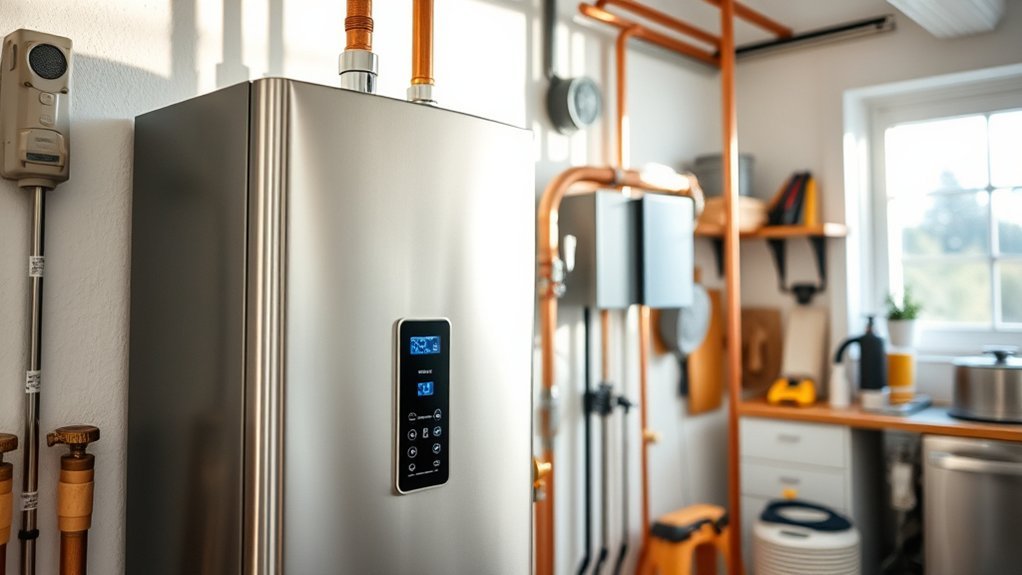
Are Electric Heat Pump Water Heaters Worth It
Just as choosing the right engine transforms a vehicle’s efficiency, selecting an electric heat pump water heater can redefine your home’s energy use. Electric heat pump water heaters are gaining attention for their potential to reduce energy consumption significantly.
You might wonder if the higher upfront cost and installation challenges justify the switch from traditional water heaters. Understanding how these systems leverage ambient heat to cut energy use could reveal whether they make sense for your climate, household needs, and budget. These are important factors worth examining before making a decision.
Key Takeaways
- Heat pump water heaters are 2-3 times more energy-efficient than traditional electric resistance heaters, significantly lowering electricity use for hot water.
- Higher upfront costs and installation complexity are offset by long-term energy savings and typically longer warranties.
- They perform best in moderate to warm climates with well-insulated homes and require minimum ambient temperatures above 40°F.
- Regular maintenance, including filter cleaning and anode rod inspection, ensures durability and optimal performance over a lifespan of 13-17 years.
- Integration with smart home systems and compatibility with solar can further enhance energy savings and overall value.
How Electric Heat Pump Water Heaters Work
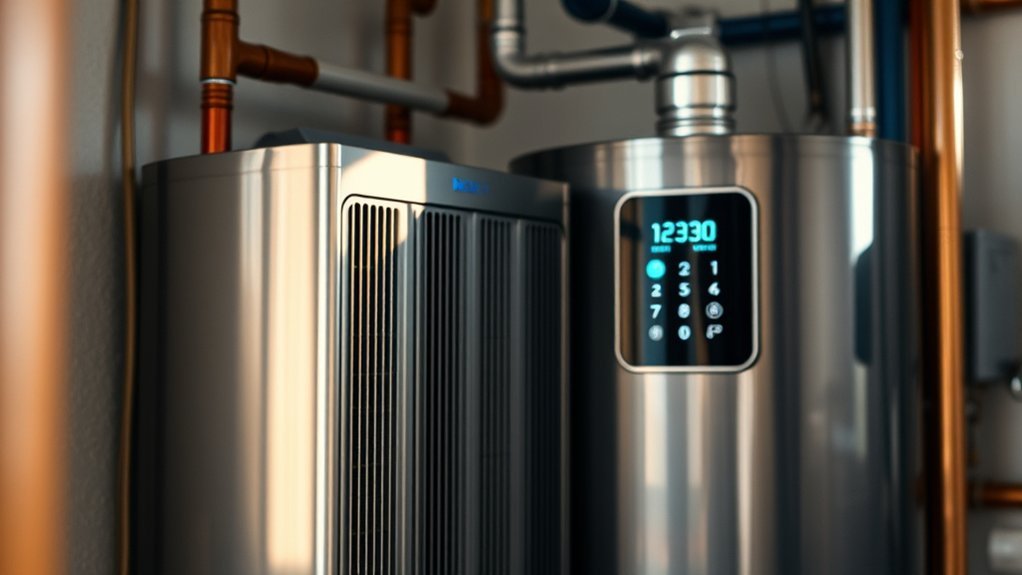
How exactly do electric heat pump water heaters operate to deliver efficient heating? Unlike traditional resistance heaters, these units transfer heat rather than generate it directly. By extracting ambient heat from the surrounding air and using a refrigerant cycle, they elevate water temperature with remarkable efficiency.
When you analyze techniques comparison, heat pumps consistently outperform electric resistance methods in energy use. This challenges common water heating myths that electric heaters are inherently less efficient or more costly.
You’ll find that heat pumps consume significantly less electricity by leveraging ambient heat, reducing operational costs and environmental impact. Understanding this mechanism helps you see why electric heat pump water heaters offer a compelling alternative, combining advanced thermodynamic principles with practical energy savings.
Comparing Heat Pump Water Heaters to Traditional Models
You’ll notice heat pump water heaters use notably less energy compared to traditional electric models, which can lower your utility bills.
While their installation and maintenance costs might be higher upfront, the long-term savings and reduced environmental impact often justify the investment. Evaluating their lifespan and durability against conventional units will help you make a well-informed decision.
Energy Efficiency Differences
Why does energy efficiency matter so much when choosing between heat pump water heaters and traditional models? Because it directly impacts your long-term energy costs and environmental footprint.
Heat pump water heaters operate by transferring heat rather than generating it, achieving efficiencies two to three times greater than conventional electric resistance units. This means you use markedly less electricity for the same amount of hot water.
Ignoring energy efficiency in favor of an irrelevant topic or stray consideration like upfront price alone can mislead your decision. While traditional models have simpler mechanics, their lower efficiency results in higher operational costs.
When you prioritize energy efficiency, heat pump water heaters clearly outperform, making them a smart choice for sustained savings and reduced energy consumption without sacrificing performance.
Installation and Maintenance Costs
Installation and maintenance costs play a pivotal role when comparing heat pump water heaters to traditional models. While heat pump units typically demand a higher upfront installation fee due to complexity and refrigerant safety requirements, their long-term maintenance can be more cost-effective.
Consider these factors:
- Installation complexity: Heat pump systems require specialized skills for refrigerant handling and electrical setup, influencing labor costs.
- Maintenance frequency: Traditional heaters often need more frequent servicing, whereas heat pumps’ advanced technology reduces routine interventions.
- Warranty coverage: Heat pump warranties usually extend longer and cover critical components, mitigating potential repair expenses.
Lifespan and Durability
Frequently, the lifespan and durability of your water heater determine its overall value and efficiency. When comparing heat pump water heaters to traditional models, you should consider that heat pumps typically offer a longer lifespan and enhanced durability due to advanced components designed for sustained operation.
Heat pump reliability stems from their ability to operate efficiently under varying conditions, reducing strain on internal parts. While traditional electric water heaters usually last around 10-15 years, heat pump models often reach 13-17 years with proper maintenance.
This increased lifespan durability translates into lower replacement frequency and better long-term investment. By choosing a heat pump water heater, you’re prioritizing reliability and durability, maximizing your system’s operational life while benefiting from energy-efficient technology.
Which Homes Benefit Most From Heat Pump Water Heaters
You’ll get the most efficiency from a heat pump water heater if you live in a moderate to warm climate where the unit can draw heat easily from the surrounding air.
Your home’s insulation quality also plays a critical role, as well-insulated spaces maintain stable temperatures that maximize the system’s performance.
Evaluating these factors helps you determine if a heat pump water heater will deliver significant energy savings in your home.
Climate Considerations
How does climate impact the efficiency of electric heat pump water heaters? Your local climate plays a critical role in determining how well these systems perform. Heat pumps extract ambient heat, so milder temperatures generally enhance efficiency.
Advanced climate modeling and evolving energy policy highlight this relationship clearly.
Consider these factors:
- Ambient Temperature Range: Heat pumps excel in moderate to warm climates, maintaining optimal Coefficient of Performance (COP).
- Seasonal Variability: Regions with prolonged cold seasons may see diminished efficiency and longer payback periods.
- Humidity Levels: Higher humidity can improve heat extraction, boosting heater performance in certain environments.
Home Insulation Quality
Beyond climate factors, the quality of your home’s insulation markedly influences the performance and cost-effectiveness of electric heat pump water heaters. If your insulation quality is high, your home retains heat more efficiently, creating a stable indoor environment that supports the heat pump’s operation.
Conversely, poor insulation can cause fluctuating temperatures, forcing the heat pump to work harder and consume more energy. Additionally, proper home ventilation complements insulation by maintaining optimal air circulation and humidity levels, which prevents the heat pump from overexerting.
When your home combines superior insulation quality with balanced ventilation, the heat pump water heater delivers maximum efficiency and significant energy savings. Therefore, homes with robust insulation and controlled ventilation benefit most, ensuring you get the best return on investment from a heat pump water heater.
Why Heat Pump Water Heaters Are Energy Efficient
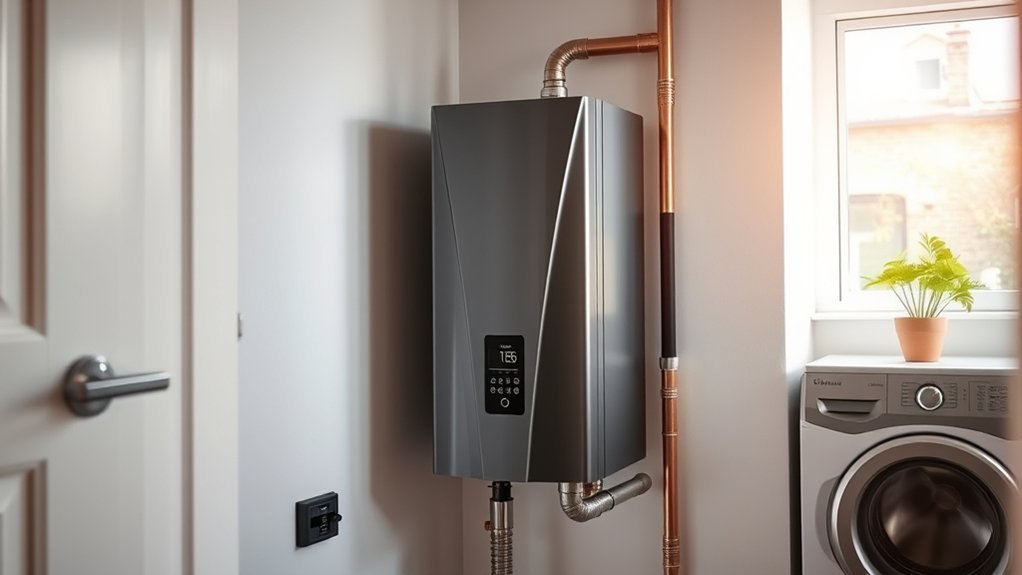
Why do heat pump water heaters consume considerably less energy than conventional models? It’s because they transfer heat rather than generate it directly, making them inherently more efficient. When you’re planning new construction, integrating a heat pump water heater with smart home systems optimizes energy use by adjusting operation based on your consumption patterns and ambient conditions.
Here’s why they’re energy efficient:
- Heat Transfer Mechanism: They extract ambient heat using a refrigeration cycle, consuming less electricity compared to resistance heating.
- Smart Controls: Integration with smart home technology enables adaptive scheduling and remote management, reducing energy wastage.
- Enhanced Insulation: Advanced insulation in the tank minimizes heat loss, maintaining water temperature longer without extra energy input.
These factors combine to significantly lower your energy consumption and utility bills.
Upfront Costs and Installation Requirements
What should you expect when it comes to the upfront costs and installation requirements of a heat pump water heater? Upfront financing can be higher than traditional units due to advanced technology and installation challenges like space and ventilation needs. You must prepare for potential modifications to your existing system.
Here’s a concise two word discussion ideas breakdown:
| Aspect | Considerations |
|---|---|
| Upfront Costs | $1,200 – $3,000 for unit and setup |
| Installation Challenges | Space, venting, electrical upgrades |
| Financing Options | Rebates, loans, and incentives |
Understanding these details helps you weigh upfront investment against long-term benefits. Proper planning minimizes surprises and ensures efficient integration into your home.
How Much Can You Save on Utility Bills With a Heat Pump?
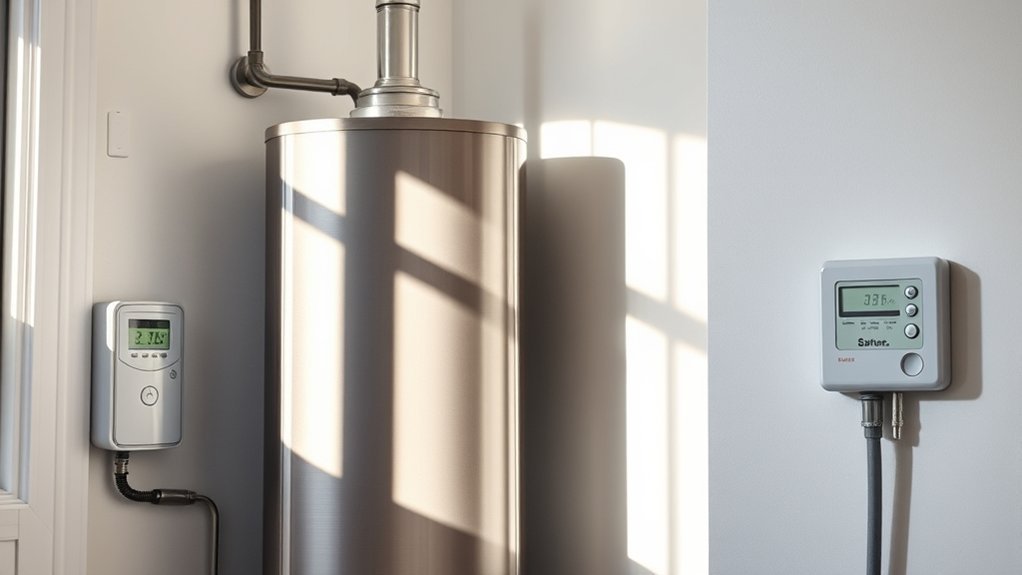
After accounting for upfront costs and installation requirements, the next key factor to evaluate is the potential reduction in your utility bills. Heat pump water heaters use electricity more efficiently than traditional models, which directly lowers your monthly expenses.
To quantify your savings:
- Energy Efficiency Ratio (EER): Heat pumps typically achieve 2-3 times the efficiency, reducing electricity use significantly.
- Local Energy Rates: Savings depend on your electricity cost; higher rates yield greater dollar savings.
- Usage Patterns: Consistent hot water demand maximizes the heat pump’s efficiency advantage.
While considering this, avoid the irrelevant topic of unrelated appliance upgrades or random thoughts about unrelated energy sources. Focus on these factors to determine how much you can realistically save, ensuring a data-driven decision about adopting heat pump technology.
What Are the Downsides of Heat Pump Water Heaters?
How might the limitations of heat pump water heaters affect your decision to switch? First, they require a minimum ambient temperature, typically above 40°F, to operate efficiently. If your space is colder, performance drops, increasing energy use.
Additionally, their upfront cost is higher compared to conventional units, which may delay your return on investment. Noise is another factor. Heat pump units emit a humming sound that might be distracting in quiet areas.
It’s important to avoid irrelevant topic discussions or extraneous detail when evaluating these downsides; focus strictly on practical constraints. While efficient, these heaters aren’t ideal for everyone, especially if your location or budget doesn’t align with their requirements. Weigh these factors carefully before making your decision to switch.
Maintenance Tips for Heat Pump Water Heaters
To keep your heat pump water heater running efficiently, you need to clean the filter regularly, inspect the anode rod for corrosion, and maintain the condensate drain to prevent blockages.
Ignoring these tasks can reduce performance and shorten the unit’s lifespan. Staying proactive with maintenance guarantees you get the most value from your investment.
Regular Filter Cleaning
Why does regular filter cleaning matter for your heat pump water heater? Keeping the filter clean ensures optimal airflow and heat exchange efficiency, directly influencing your unit’s performance and energy consumption. Neglecting this essential maintenance task leads to clogs, reduced heating capacity, and increased wear.
To maximize your heat pump’s lifespan and efficiency, focus on these key points:
- Schedule filter cleaning every 3-6 months as part of your maintenance scheduling to prevent buildup.
- Use manufacturer-recommended cleaning methods to avoid damaging sensitive components.
- Monitor filter condition regularly; replace filters when cleaning no longer restores airflow.
Anode Rod Inspection
When should you inspect the anode rod in your heat pump water heater? Ideally, you should perform anode rod inspection every 1 to 3 years, depending on water quality and usage. This rod plays a crucial role in corrosion monitoring by attracting corrosive elements away from the tank’s steel lining.
Neglecting this inspection can lead to premature tank failure, compromising your investment. During inspection, check for significant wear or depletion; replacing a deteriorated anode rod extends the heater’s lifespan and maintains efficiency.
Since corrosion is the primary threat to your heat pump water heater’s durability, proactive anode rod inspection is a cost-effective maintenance step. By prioritizing this, you’ll safeguard your system’s integrity and optimize long-term performance, proving the value of your electric heat pump water heater.
Condensate Drain Maintenance
How often do you check the condensate drain in your heat pump water heater? Neglecting this component can lead to clogs, water damage, or reduced efficiency. A disciplined maintenance schedule ensures the condensate drain functions effectively, preventing costly repairs.
To maintain it effectively:
- Inspect the drain line monthly for blockages or algae buildup.
- Flush the condensate drain with a vinegar solution quarterly to dissolve mineral deposits.
- Confirm the drain pan is clear and draining properly to avoid overflow issues.
Choosing the Right Heat Pump Water Heater for Your Home
Selecting the right heat pump water heater involves evaluating your household’s specific hot water demands, energy efficiency goals, and installation constraints. Start by assessing your daily hot water usage and space availability to ensure the unit’s capacity and dimensions fit your needs.
Prioritize models that align with current energy policy incentives, maximizing financial benefits and long-term savings. Also, consider compatibility with solar integration if you have or plan to install solar panels, as some units optimize energy use by leveraging solar power.
Evaluate the unit’s coefficient of performance (COP) and energy factor ratings to identify the most efficient options. By analyzing these technical factors, you’ll select a heat pump water heater that not only meets your operational needs but also supports sustainability goals and reduces your environmental footprint.
When Is It Worth Upgrading to a Heat Pump Water Heater?
Why should you consider upgrading to a heat pump water heater now? The decision hinges on balancing upfront costs against long-term energy savings and your home’s specific installation requirements.
Upgrading makes sense when:
- Your current water heater nears the end of its lifecycle, minimizing wasted upfront costs.
- Your home’s location and space accommodate the installation requirements, such as adequate ventilation and clearance.
- You aim to reduce energy bills significantly, as heat pump water heaters operate more efficiently than traditional electric models.
Frequently Asked Questions
Can Heat Pump Water Heaters Be Used in Off-Grid Solar Systems?
Yes, you can use heat pump water heaters off grid by ensuring off grid compatibility and integrating solar storage effectively. This setup optimizes energy use, reduces reliance on generators, and maximizes your solar system’s efficiency.
Do Heat Pump Water Heaters Require Special Permits or Inspections?
About 70% of U.S. jurisdictions require permit requirements for heat pump water heaters. You’ll need to follow inspection schedules to ensure compliance, so checking local codes helps avoid costly delays and guarantees safe, efficient installation.
How Loud Are Electric Heat Pump Water Heaters During Operation?
You’ll find electric heat pump water heaters offer quiet operation, thanks to advanced vibration reduction technology. This minimizes noise, making them suitable for homes where low sound levels are essential.
They ensure efficient, unobtrusive heating performance.
Are There Any Environmental Concerns With Disposing of Old Heat Pump Units?
Yes, when handling old unit disposal, you must address recycling concerns like refrigerant recovery to prevent environmental harm. Properly recycling components minimizes toxic waste and supports sustainable resource use, so don’t overlook responsible disposal practices.
Can Heat Pump Water Heaters Be Integrated With Smart Home Systems?
Yes, you can integrate heat pump water heaters with smart thermostats for precise temperature control and energy monitoring. This integration lets you optimize efficiency, reduce costs, and gain detailed insights into your water heating energy consumption.
Conclusion
If you live in a moderate to warm climate with good insulation, an electric heat pump water heater can be your home’s energy-saving champion. Though the upfront investment is steeper, its efficiency—2 to 3 times that of traditional heaters—pays dividends in lower bills and longer lifespan.
Like planting a seed for future shade, choosing the right model now means reaping comfort and savings for years. Assess your climate, usage, and incentives to make the smartest upgrade.
In conclusion, considering your specific needs and environment, an electric heat pump water heater is often worth it for the long-term energy savings and reliability it offers.